Trump Ends CHNV Program: Half Million Cubans Lose Legal Protection
Trump administration revoked the CHNV humanitarian program that protected over 500,000 Cubans, Haitians, Nicaraguans and Venezuelans in the United States.
4 min read
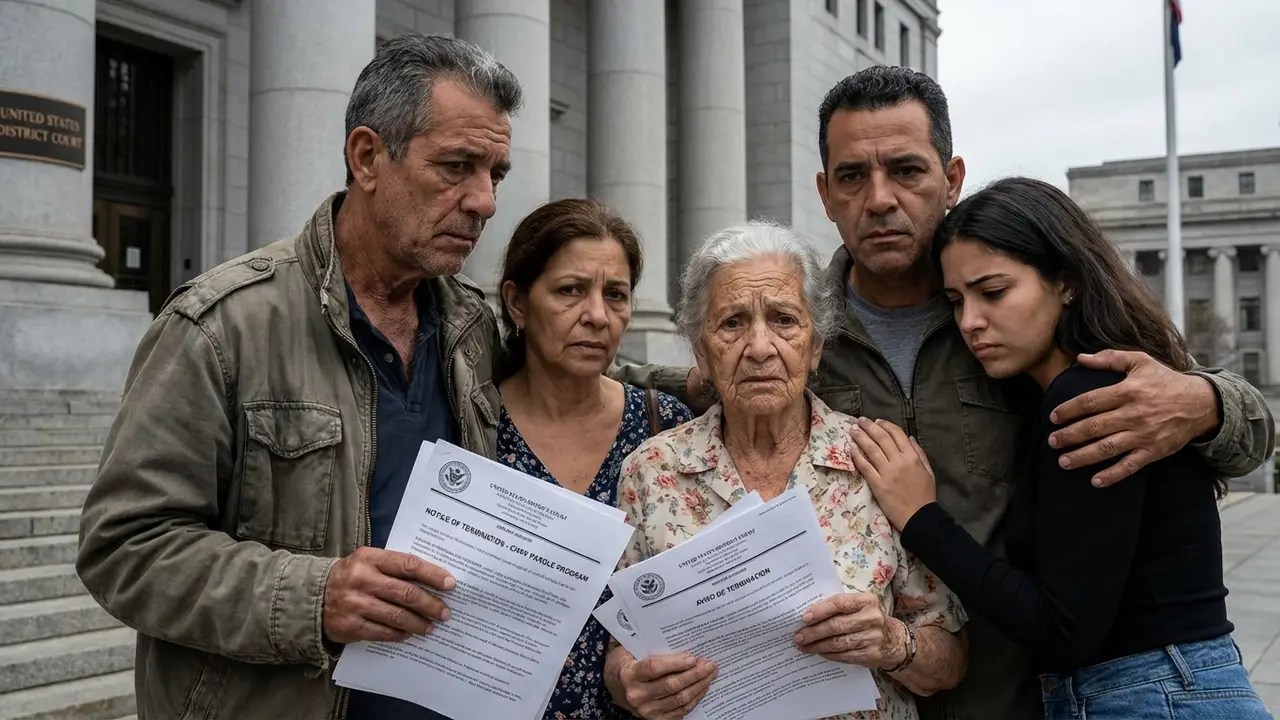
Illustration: Aroma de Cuba (AI)
The Trump administration dealt a devastating blow to Cuban legal migration by revoking the CHNV humanitarian program (Cubans, Haitians, Nicaraguans and Venezuelans), leaving more than half a million migrants in legal limbo and facing potential deportations.
What was the CHNV Program?
The CHNV humanitarian parole program was created during the Biden administration to offer a legal and safe migration pathway for citizens of these four countries. For Cubans, it represented a crucial alternative to dangerous sea voyages or irregular land routes.
Benefits now lost:
- Legal work authorization for two years
- Temporary protection from deportation
- Ability to apply for other statuses like asylum or TPS
- Family reunification with sponsors in the US
The devastating announcement
On March 25, 2026, the Department of Homeland Security published in the Federal Register the immediate revocation of the program. Beneficiaries began receiving individual letters notifying them that their permission to remain and work legally in the United States had been prematurely rescinded.
“As of April 24, all remaining grants of parole under CHNV will become invalid,” DHS confirmed in its official statement.
The alarming numbers
According to analysis by the Office of Homeland Security Statistics (through November 2024), approximately 195,000 people with current parole grants under CHNV did not qualify to apply for:
- Temporary Protected Status (TPS)
- Adjustment to permanent residence under the Cuban Adjustment Act
This means that nearly 200,000 people —many of them Cubans— will be left without legal protection against deportation in the coming weeks.
The political context
Trump’s hostility toward parole programs created by Biden has been evident since day one of his administration. The CHNV program received particular criticism after the Biden administration temporarily paused applications last summer to investigate fraud allegations.
Other simultaneous blows:
- CBP One cancellation on Trump’s first day
- Threats to Venezuelan TPS (partially blocked by courts)
- Mass deportations to countries of origin
Ongoing legal battles
The case Svitlana Doe v. Noem, filed in Massachusetts federal court, challenges the Trump administration’s widespread parole revocations, including CHNV. Plaintiffs seek an injunction preventing the government from canceling parole for CHNV recipients.
Oral arguments are scheduled for this week, in a race against time before the April 24 deadline.
The information crisis
One of the most concerning aspects is that many beneficiaries don’t know that their two-year protection is no longer two years. Factors complicating the situation:
- Address changes not reported to the federal government
- Language barriers to understanding official letters
- Lack of awareness about pending legal cases
- Lack of resources to hire legal assistance
Impact on the Cuban community
For Cubans, CHNV elimination represents more than losing a program: it’s the systematic dismantling of legal migration pathways that have historically characterized Cuba-US migration relations.
Limited options remaining:
- Apply for asylum (long and complex process)
- Apply for Cuban Adjustment Act (if they qualify)
- Seek other forms of migration relief
- Face deportation to Cuba
FAQ: Frequently Asked Questions about CHNV
What happens if I have CHNV and haven’t applied for another status?
Your parole will expire on April 24, 2026. It’s crucial to immediately consult with an immigration attorney to explore options like asylum or the Cuban Adjustment Act.
Can I renew my CHNV?
No. The program has been completely eliminated and no renewals are available.
What happens to my work permit?
Your employment authorization will also be revoked on April 24. You cannot work legally without another valid immigration status.
Is there any legal hope?
Yes. The Svitlana Doe v. Noem case could result in a court order temporarily extending protections while the case is litigated.
The uncertain future
The elimination of the CHNV program marks a historic turning point in US migration policy toward Cuba. What was once promoted as a system that promoted “more predictability in arrivals and departures” has become a devastating example of massive migration uncertainty.
For half a million people who bet on the legal route, the message is clear: even authorized humanitarian programs can disappear overnight under new administrations.
The countdown has begun. For thousands of Cuban families, every day counts.
Related:
- Federal Judges Block Trump Deportations: Legal Victory for Cuban Migrants
- Cuban Adjustment Act 2026: Who Still Qualifies and Who Lost Protection
- ICE Eliminates Historic Protections for Cubans: New Era of Mass Deportations
- Cuba Accepts Criminal Deportees from US for First Time in Decades
- I-220A in Court: What Does the Atlanta Ruling Really Mean?
Sources:
- American Immigration Council
- DHS Federal Register
- Office of Homeland Security Statistics
- Massachusetts Federal Court
How we got here
Background
The first thing we published on this topic.
Nicaragua Closes the Door: Ends Visa-Free Entry for Cubans
Nicaragua ends visa-free entry for Cuban citizens, closing one of the main migration routes to the United States.
Cuba Records Second Magnitude 5 Earthquake in Three Days Near Santiago
A 5.0 magnitude tremor shook eastern Cuba, two days after a 5.6 quake in Guantánamo that damaged homes
Related articles
Supreme Court Allows Trump to Revoke Parole for 500,000 Cuban Migrants
High Court authorizes elimination of temporary legal status for hundreds of thousands of Venezuelans, Cubans, Haitians, and Nicaraguans in the US
Federal Judge Blocks Trump CBP One Parole Termination for Migrants
A Massachusetts court ruling restores immigration status for Cubans, Venezuelans, and Haitians who entered legally with CBP One.
Guantanamo Deportations: Immigration Limbo Separating Families
54 Cubans deported to Guantanamo Naval Base live in limbo while their families struggle to understand Trump's new migration strategy.
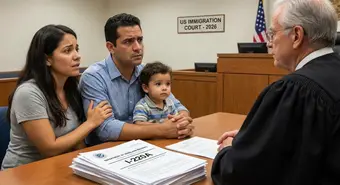
Atlanta Court Reopens Hope: New I-220A Ruling for Cubans
11th Circuit Court vacates BIA decisions and orders review, reopening legal pathways for hundreds of thousands of Cubans.
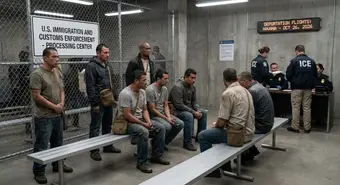
Trump Deports More Cubans Than Any President: Record Numbers
Analysis of Trump's migration policies impact: 5,053 Cubans deported and the controversy over 'voluntary return' to a crisis-stricken Cuba.
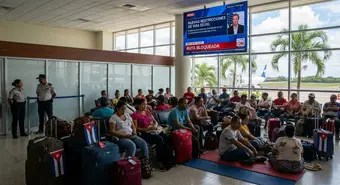
Nicaragua Blocks Last Cuban Migration Route to the US
Nicaragua's decision to cancel visa-free travel for Cubans closes one of the last viable routes to the US, leaving thousands without migration options.