Trump Deports More Cubans Than Any President: Record Numbers
Analysis of Trump's migration policies impact: 5,053 Cubans deported and the controversy over 'voluntary return' to a crisis-stricken Cuba.
4 min read
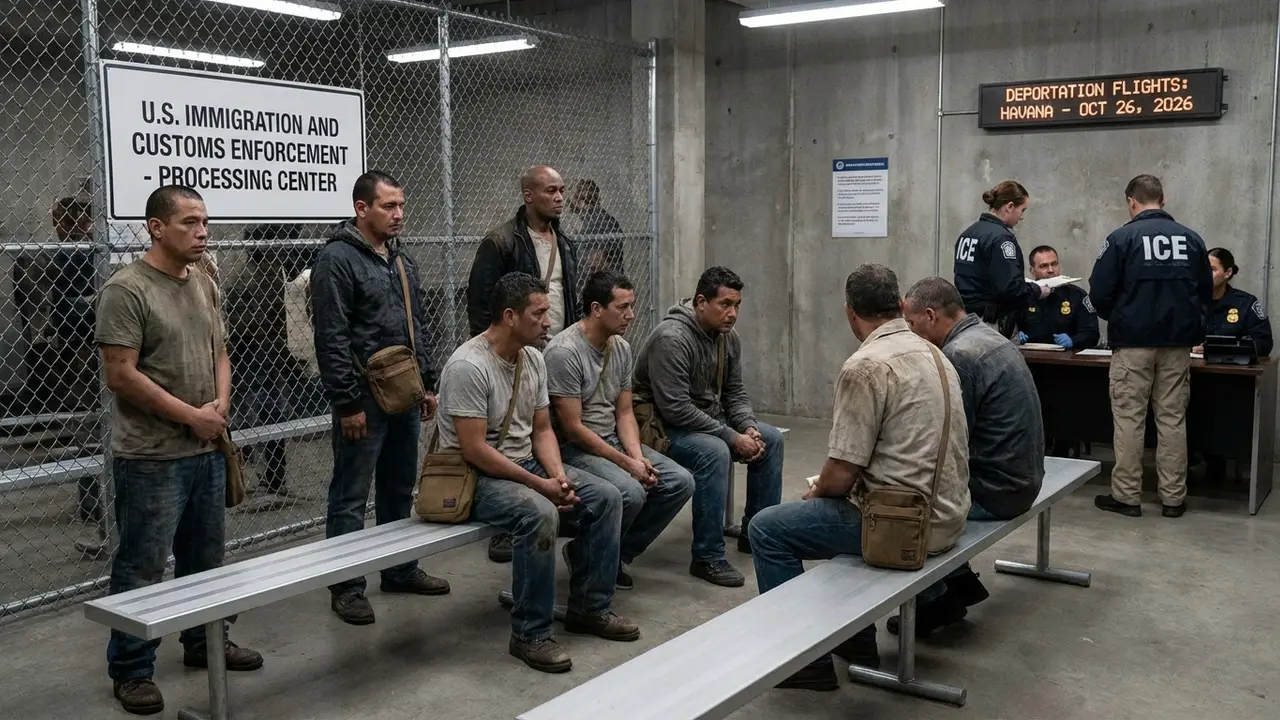
Illustration: Aroma de Cuba (AI)
President Donald Trump has deported more Cubans than any other U.S. president in history, with 5,053 deportations across his two terms—a figure that reflects a dramatic shift in U.S. migration policy toward the island.
A Historic Precedent
February 9, 2026, marked a turning point when Cuba accepted for the first time in decades the deportation of 170 Cuban migrants with criminal records. According to ICE, the deportees included “murderers, kidnappers, rapists, drug traffickers, and other criminals” with charges ranging from second-degree murder to possession of an invalid driver’s license.
This decision represents a significant shift in Havana’s historic position, which until now had refused to receive criminals or ex-convicts who arrived in the United States before 2017.
Trump’s Controversial Statements
Trump has raised the possibility that Cuban migrants might wish to return to the island. “We are talking to Cuba. We have tens of thousands of people that were forced out of there… Maybe they want to go back. They’re going to have that choice,” he told NBC News.
In January, aboard Air Force One, he claimed that many Cuban Americans would be “very happy when they’re going to be able to go back and say hello to their relatives.” He also suggested there are “many people in this country who want to go back to Cuba to help.”
The Reality of Cuba’s Crisis
However, the current situation in Cuba presents a grim scenario for any return. The island is experiencing an unprecedented energy crisis with constant blackouts, food shortages, and a collapse of public transportation.
María José Espinosa, executive director of the Center for Engagement and Advocacy in the Americas (CEDA), notes that these statements align with Trump’s view of migration as a temporary phenomenon linked to changing political conditions.
Alarming Numbers
- 1,668 Cubans have been deported to the island during Trump’s second term alone
- 3,757 Cubans deported in 2025 ended up in third countries like Eswatini and Mexico
- 4,883 Cubans arrived in Mexico after being deported from the United States last year
The Humanitarian Dilemma
For families like that of Roxana Torres, whose husband Maikel Rojas Pérez remains detained at Florida’s notorious Alligator Alcatraz detention center, deportations represent indefinite family separation. “I never imagined this would happen to us,” says Roxana, who lives with the “fear of his deportation.”
The current economic embargo aggravates the situation, especially for those facing return to a country that cannot provide basic services to its population.
Broader Political Context
The deportations are part of a broader “maximum pressure” strategy on Cuba. During January 2026, when Trump declared a national emergency regarding the island, there were no deportation flights. However, February marked an escalation with Cuba’s acceptance of criminal deportees.
Dr. Luis Martínez-Fernández, a migration expert historian at the University of Central Florida, considers Trump’s statements part of “additional pressure” within a larger package directed at Havana.
Related Links
To better understand the current legal context, see our analysis of who qualifies for protection under the Cuban Adjustment Act in 2026. You can also review recent I-220A case developments offering hope to thousands of Cuban migrants.
The migration crisis is worsened by the closure of alternative routes and new CHNV program restrictions.
Frequently Asked Questions
Why did Cuba accept criminal deportees for the first time?
The shift in Cuban policy suggests a possible negotiating strategy amid U.S. economic pressures, especially the oil embargo threatening to plunge the island into total energy crisis.
How many Cubans have been deported under Trump?
Trump has deported a total of 5,053 Cubans during his two presidential terms, more than any other president in U.S. history.
What does “voluntary return” mean for Cuban migrants?
Trump’s statements suggest some migrants might choose to return to Cuba, though the island’s current conditions make this extremely difficult for most people.
Do these deportations affect Cubans with I-220A?
Cubans with I-220A status face legal uncertainty, though recent federal court rulings have ordered new reviews that could offer hope to approximately 300,000 people.
Updated March 2, 2026. For the latest Cuban migration news, subscribe to our newsletter.
How we got here
Background
The first thing we published on this topic.
Cuba Records Second Magnitude 5 Earthquake in Three Days Near Santiago
A 5.0 magnitude tremor shook eastern Cuba, two days after a 5.6 quake in Guantánamo that damaged homes
45,000 Cubans Face Deportation Orders in the US
Some 550,000 Cubans vulnerable under Trump's immigration policies. Separated families and a community under pressure.
Related articles
Guantanamo Deportations: Immigration Limbo Separating Families
54 Cubans deported to Guantanamo Naval Base live in limbo while their families struggle to understand Trump's new migration strategy.
ICE Intensifies Operations: New Cuban Arrests Revealed
US immigration authorities arrested two more Cubans with criminal records as deportation pressure mounts under Trump's hardline approach.

Deportations 2026: Trump's New 'Choice' for Cubans in the US
Analysis of Trump's shifting migration policy: record deportation flights and the pressure of 'optional' return versus indefinite detention.
Double Migration Blow: Nicaragua and Trump Close Routes to Cubans
Nicaragua cancels visa-free entry while Trump suspends visa processing for 75 countries, leaving Cubans without legal options
Forced Return? Trump Weighs the Future of Cubans in the US
Analysis of Trump's 2026 migration plan: record deportation flights and the controversial 'choice' for Cubans to return home instead of detention.
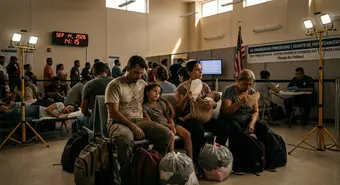
Crisis: Cuban migrants trapped between deportations and blackouts
The double crisis facing Cubans in 2026: Trump's mass deportations and Cuba's energy collapse create unprecedented humanitarian emergency.