Nicaragua Blocks Last Cuban Migration Route to the US
Nicaragua's decision to cancel visa-free travel for Cubans closes one of the last viable routes to the US, leaving thousands without migration options.
4 min read
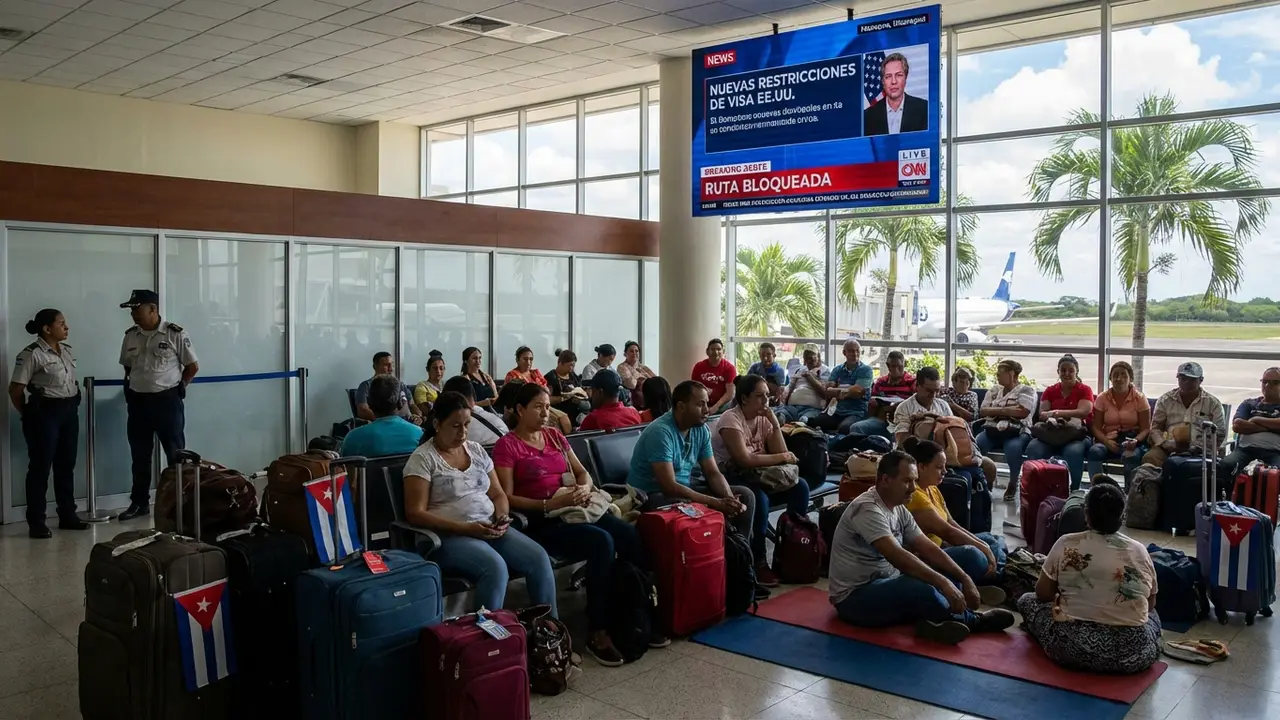
Illustration: Aroma de Cuba (AI)
Nicaragua’s decision to cancel visa-free travel for Cuban citizens in February 2026 has definitively closed one of the last viable migration routes to the United States, leaving thousands of Cubans without safe alternatives to escape the island’s economic and energy crisis.
The End of the “Volcano Route”
The Nicaraguan measure puts an end to what thousands of migrants knew as the “volcano route,” established in November 2021 following the COVID-19 pandemic and Cuba’s July protests. This route allowed Cubans to travel visa-free to Nicaragua and then continue overland to the US border.
According to diplomatic sources, more than 200,000 Cubans used this route since its implementation, making it the primary alternative after the tightening of direct maritime routes from the island.
A Strategy Shift Under Trump
Nicaragua’s decision coincides with President Donald Trump’s border enforcement measures, which have eliminated programs like CBP One and intensified deportations. These policies have transformed Nicaragua from merely a transit point to a final destination for some Cuban migrants.
“Trump’s tightening measures have largely eliminated the Central American country as a springboard—but not as a destination,” reports Havana Times, indicating that some Cubans are now considering permanent residence in Nicaraguan territory.
Thousands Trapped in Limbo
The cancellation leaves thousands of Cubans who had already initiated migration plans in a desperate situation. Many sold their belongings in Cuba or spent family savings to finance journeys that are now impossible.
The impact extends beyond individual migrants:
- Family separation: Thousands of Cuban families had reunification plans through this route
- Economic crisis: Money invested in migration plans represents significant losses for already impoverished families
- Maritime route saturation: Increased pressure on dangerous raft crossings or improvised boat journeys
What Options Remain?
With Nicaragua off the migration map, alternatives for Cubans have been drastically reduced:
Maritime Routes
Direct crossings to Florida remain extremely dangerous, with hundreds of documented deaths in 2025. The US Coast Guard has intensified patrols and automatically returns those intercepted at sea.
Third Countries
Countries like Ecuador, Uruguay, or Chile maintain more open policies, but require documentation and resources that many Cubans don’t possess. Additionally, migration to the US from these destinations has also become complicated.
Legal Processes in the US
For those already on US territory, options like I-220A remain under judicial review, offering limited but uncertain hope.
The Context of Cuba’s 2026 Crisis
Nicaragua’s decision comes at the most critical moment of Cuba’s economic crisis in decades. The island faces:
- Energy crisis: Blackouts lasting up to 20 hours daily
- Food shortages: Widespread scarcity of basic products
- Currency collapse: The Cuban peso has lost more than 80% of its value in two years
- Mass exodus: An estimated 7% of the population has emigrated since 2021
International Reactions
The international community has begun responding to the Cuban migration crisis. Canada recently announced $8 million in emergency humanitarian aid, while organizations like UNICEF and the World Food Programme have increased their regional presence.
However, these measures focus on humanitarian aid within Cuba, not on creating legal migration pathways for those seeking to escape the crisis.
An Uncertain Future
With Nicaragua out of options and US immigration policies increasingly restrictive, Cubans face a dramatic dilemma: remain in crisis-stricken Cuba or risk their lives on increasingly dangerous routes.
The situation raises questions about international responsibility in the face of a humanitarian crisis showing no signs of improvement. While governments debate policies, thousands of Cuban families face desperate decisions about their survival and future.
The closure of the Nicaragua route represents more than just the elimination of a migration pathway—it symbolizes the narrowing options for an entire people seeking basic human dignity and survival. As traditional routes disappear and new barriers emerge, the Cuban migration crisis enters an even more complex and dangerous phase.
Frequently Asked Questions
Why did Nicaragua cancel visa-free travel for Cubans? Although no official public reasons have been given, the decision coincides with pressure from the Trump administration to reduce irregular migration to the US and Nicaragua’s desire to better control migration flows through its territory.
How many Cubans used the Nicaragua route? Since its establishment in November 2021, an estimated 200,000+ Cubans used Nicaragua as a transit point to the United States, making it the most important migration route after direct maritime crossings.
What alternatives do Cubans now have if they want to emigrate? Options have been significantly reduced: maritime routes (extremely dangerous), migration to third countries (requires documentation and resources), or legal processes from within the US (for those already on American territory).
How does this affect separated Cuban families? The cancellation severely impacts family reunification, leaving thousands of separated families without a viable route to reunite. Many had invested family savings in migration plans that are now impossible to execute.
How we got here
Background
The first thing we published on this topic.
Nicaragua Closes the Door: Ends Visa-Free Entry for Cubans
Nicaragua ends visa-free entry for Cuban citizens, closing one of the main migration routes to the United States.
Cuban man's death in ICE custody ruled homicide by medical examiner
Geraldo Lunas Campos died at Camp East Montana after being asphyxiated by guards according to official autopsy.
Related articles
Double Migration Blow: Nicaragua and Trump Close Routes to Cubans
Nicaragua cancels visa-free entry while Trump suspends visa processing for 75 countries, leaving Cubans without legal options
Nicaragua Closes 'Volcano Route': 200,000 Cubans Left Stranded
End of visa-free transit through Nicaragua since Feb 8 forces Cubans to seek more dangerous routes to US, increasing maritime crossings by 340%
Trump Deports More Cubans Than Any President: Record Numbers
Analysis of Trump's migration policies impact: 5,053 Cubans deported and the controversy over 'voluntary return' to a crisis-stricken Cuba.
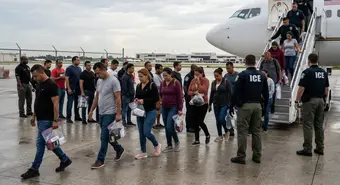
Historic Flight: 170 Cubans Deported in Precedent-Setting Operation
February 9, 2026: ICE deported 170 Cubans, including 50 with criminal records. First time Cuba accepts criminal deportees in decades.
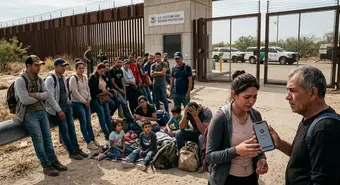
CBP One Shut Down: Cubans Left Without Legal Options
Trump eliminates CBP One app and suspends all asylum processes, leaving thousands of Cubans without legal alternatives to enter the US.
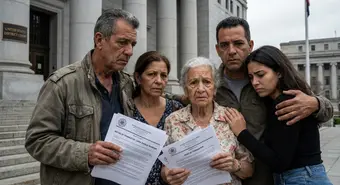
Trump Ends CHNV Program: Half Million Cubans Lose Legal Protection
Trump administration revoked the CHNV humanitarian program that protected over 500,000 Cubans, Haitians, Nicaraguans and Venezuelans in the United States.