Nicaragua Closes 'Volcano Route': 200,000 Cubans Left Stranded
End of visa-free transit through Nicaragua since Feb 8 forces Cubans to seek more dangerous routes to US, increasing maritime crossings by 340%
5 min read
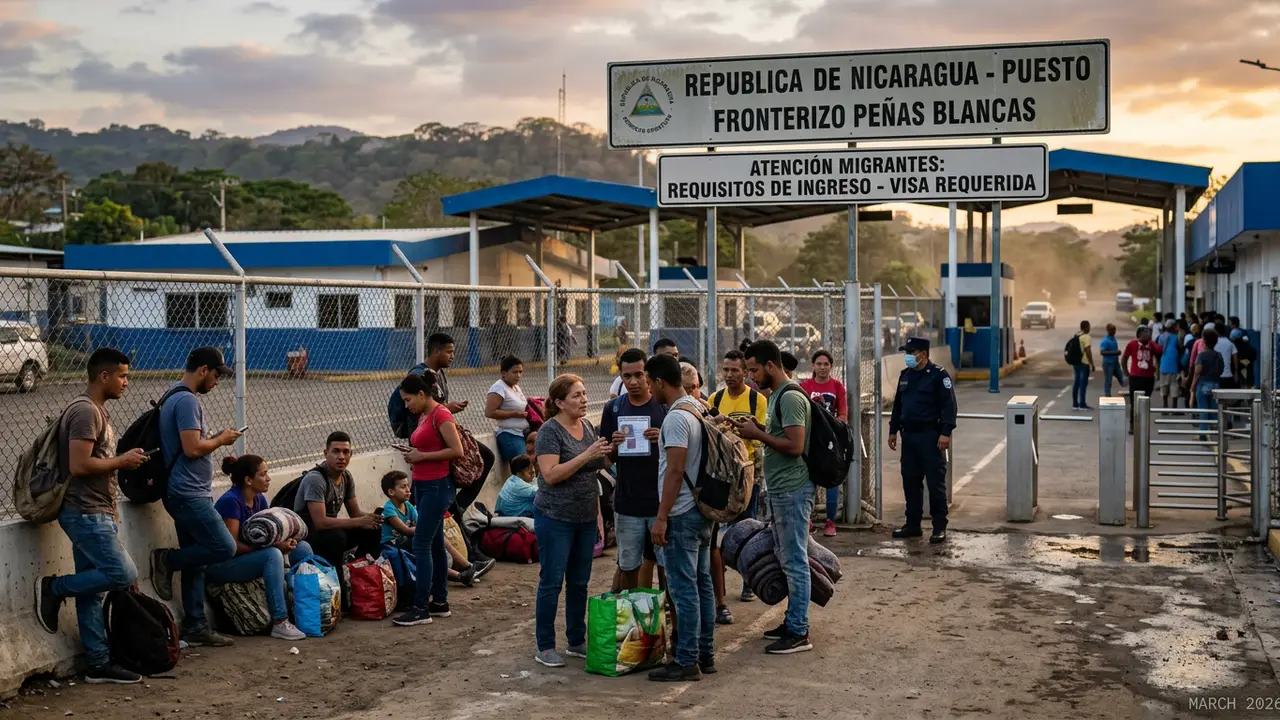
Illustration: Aroma de Cuba (AI)
February 8, 2026, marked the end of an era for Cuban migration. Nicaragua officially canceled visa-free access for Cuban citizens, closing what migrants knew as the “Volcano Route” — the most important migration corridor from Cuba to the United States over the past five years.
The Closure of a Historic Route
For more than four years, since November 2021, Nicaragua had allowed visa-free entry to Cubans, becoming the land bridge to the American dream. Over 200,000 Cubans used this route, flying from Havana to Managua and then traveling overland through Honduras, Guatemala, and Mexico to the US border.
The decision, implemented as part of broader migration reform affecting 128 countries, represents a devastating blow to Cuban families who were planning to reunite with their loved ones in the United States.
Immediate and Devastating Impact
Mass Family Separation
María Elena Rodríguez, a Miami resident, had saved for three years to bring her 67-year-old mother from Santiago de Cuba. “We had everything ready, tickets bought for March. Now we don’t know what to do,” she says through tears.
Dramatic Shift in Routes
Statistics reveal the immediate impact:
- 340% increase in dangerous maritime crossings to Florida
- Over 3,000 Cubans separated from family members waiting at the Mexican border
- 15,000 jobs lost in Nicaragua’s migration tourism industry
The Geopolitical Consequences
Nicaragua’s decision doesn’t happen in a vacuum. Analysts point to multiple pressures:
- US Pressure: The Trump administration had increased pressure on countries facilitating Cuban migration
- Regional Relations: Alignment with the more restrictive migration policies of Honduras and Guatemala
- Border Control: Nicaragua’s need to modernize its migration system
Denis Moncada, Nicaragua’s foreign minister, justified the measure as “a necessary modernization of the national migration system for the 21st century.”
Alternative Routes: More Expensive and Dangerous
The Maritime Route: Desperation in the Straits
With Nicaragua closed, many Cubans choose the dangerous sea crossing:
- Cost: $15,000-$25,000 per person
- Duration: 3-5 days in speedboats
- Risk: US Coast Guard has increased interceptions by 60%
Direct Mexico: The New Frontier
Others attempt to fly directly to Mexico, but face:
- Mexican visa required since 2022
- Immediate deportation if detected
- High cost: $20,000-$30,000 including smugglers
The Context of the 2026 Cuban Crisis
The closure of Nicaragua coincides with Cuba’s worst economic and energy crisis in decades:
- 16 daily hours of blackouts on average
- 500% devaluation of the Cuban peso in one year
- Healthcare system collapsed due to lack of medicine and energy
This combination of internal and external factors has created a “perfect storm” driving mass emigration.
Heartbreaking Testimonies
Carlos Pérez: Stranded in Mexico City
“I sold everything in Havana to bring my family. Now I’m stranded in Mexico City with $3,000 and no options. My wife and two children are still in Cuba suffering 16-hour blackouts,” relates Carlos, 34.
Ana Sofía Martínez: Lost Hope
“My son had gotten work in Miami to sponsor me. I already had a date to travel to Nicaragua in April. Now they tell me it could take years to get a Mexican visa,” says Ana Sofía from Santa Clara.
What It Means for Families
Limited Legal Options
- Family reunification: Processing can take 5-7 years
- Visa lottery: Only 20,000 annual visas for Cubans
- Humanitarian parole: CHNV program canceled by Trump
Economic Impact in Both Countries
- Cuba: Loss of $200 million annually in remittances from new emigrants
- Nicaragua: Loss of $50 million in migration tourism
- Central America: Reduction in economic flow throughout the corridor
The Future of Cuban Migration
Emerging New Patterns
Experts predict several scenarios:
- Maritime intensification: 400-500% increase in rafts and speedboats
- South American routes: Possible corridor through Brazil-Colombia-Panama
- Internal migration: Greater pressure on the few remaining legal routes
International Pressure
The international community begins to react:
- Canada increased its humanitarian aid to Cuba by $8 million
- Mexico considers creating a special program for Cuban refugees
- OAS schedules special session on regional migration crisis
Preguntas frecuentes
Why did Nicaragua cancel visa-free access for Cubans?
How many Cubans used the Nicaragua route annually?
What alternatives do Cuban migrants have now?
How does this affect Cuban-American families?
Conclusion: The End of an Era
The closure of the “Volcano Route” marks the end of the most intense period of Cuban land migration in modern history. For the 200,000 people who used this route over five years, Nicaragua represented hope, family, and future.
Now, with mass deportations in the United States and legal routes practically closed, Cuban families face a brutal reality: separation may be permanent.
The human drama behind these migration policies is told in individual stories of destroyed hope, lost savings, and indefinitely postponed dreams. For Cuba, Nicaragua was more than a transit country; it was the last open door to freedom.
Related Articles:
How we got here
Background
The first thing we published on this topic.
Nicaragua Closes the Door: Ends Visa-Free Entry for Cubans
Nicaragua ends visa-free entry for Cuban citizens, closing one of the main migration routes to the United States.
Cuban man's death in ICE custody ruled homicide by medical examiner
Geraldo Lunas Campos died at Camp East Montana after being asphyxiated by guards according to official autopsy.
Related articles

Double Migration Blow: Nicaragua and Trump Close Routes to Cubans
Nicaragua cancels visa-free entry while Trump suspends visa processing for 75 countries, leaving Cubans without legal options
Nicaragua Blocks Last Cuban Migration Route to the US
Nicaragua's decision to cancel visa-free travel for Cubans closes one of the last viable routes to the US, leaving thousands without migration options.
ICE Deports 170 Cubans on First 2026 Flight: 50 Criminals Included
The first ICE deportation flight to Cuba in 2026 transported 170 Cuban nationals, including 50 convicts of serious crimes like murder and rape.

Supreme Court Limits Federal Courts: Legal Blow to I-220A Cubans
Unanimous Supreme Court decision restricts legal remedies available to thousands of Cubans with I-220A who sought to reinterpret their immigration status
Crisis: Cuban migrants trapped between deportations and blackouts
The double crisis facing Cubans in 2026: Trump's mass deportations and Cuba's energy collapse create unprecedented humanitarian emergency.
Supreme Court Allows Trump to Revoke Parole for 500,000 Migrants
Supreme Court authorizes revocation of humanitarian parole for half million migrants from Cuba, Haiti, Venezuela, and Nicaragua in historic ruling.