Deportations 2026: Trump's New 'Choice' for Cubans in the US
Analysis of Trump's shifting migration policy: record deportation flights and the pressure of 'optional' return versus indefinite detention.
3 min read

Illustration: Aroma de Cuba (AI)
U.S. migration policy toward Cuba has entered an aggressive and unprecedented phase in early 2026. Under the Donald Trump administration, what was once exceptional treatment has been transformed into a system of accelerated deportations, where new official rhetoric presents a drastic choice for thousands of Cubans: prolonged detention or “voluntary” return to the island.
Recent reports, including analysis from EL PAÍS and flight tracking data, confirm that ICE-operated deportation flights have returned to a bi-weekly frequency, with over 300 Cubans sent back so far this year.
The Strategy of Return Under Pressure
“Maybe they want to go back. They’re going to have that choice,” have been the words summarizing the White House’s 2026 approach. This “choice” is presented in a context where the Department of Homeland Security (DHS) is massively expanding its detention center capacity, projecting a reach of 92,000 beds.
For Cubans with final orders of removal (I-220B) or those whose asylum cases have been denied, the message is clear: supervised release is running out. The administration is using the threat of indefinite jail time as a persuasion tool for migrants to accept returning to a Cuba plagued by its worst energy and economic crisis in years.
Key Changes in Repatriation Agreements
A determining factor in this escalation is the shift in the Havana regime’s stance. For the first time in decades, Cuba has begun accepting the return of ex-convicts with serious crimes committed in U.S. territory—a category of people previously systematically rejected, becoming so-called “non-deportables.”
This tacit or explicit agreement allows ICE to clear the records of thousands of backlogged cases, using charter flights that now land regularly at José Martí International Airport.
Frequently Asked Questions (FAQ)
1. Who is at the highest risk of deportation this month?
Cubans with a final order of removal (Form I-220B), especially those with criminal records, are ICE’s number one priority. Those who entered illegally and lost their credible fear cases are also under close watch.
2. What does the “optional” return proposed by Trump mean?
It is not a benefit, but a pressure tactic. Migrants are suggested to accept voluntary departure to avoid being held in high-security detention centers indefinitely while their formal expulsion is processed.
3. How does the recent Atlanta I-220A ruling affect these deportations?
The recent ruling from the Eleventh Circuit provides a legal reprieve, forcing a review of cases that were previously blocked. This offers a temporary pause for those with an I-220A (without a removal order) but does not protect those who already have a final court order for deportation.
4. Are deportations taking place through the Guantanamo Base?
There have been reports of using the Guantanamo Naval Base to process small groups of deportees before their handover to Cuban authorities at the land border, a route that adds significant psychological weight to the process.
Conclusion
2026 marks the definitive end of the “migratory tolerance” era for the Cuban diaspora in an irregular situation. The combination of a federal judiciary reviewing technicalities (as in the I-220A case) and an executive administration determined to clear removal logs has created a high-alert scenario. For thousands, the legal battle in immigration courts is now the only barrier between their life in the U.S. and a forced return.
Sources:
- EL PAÍS: Trump’s plans for Cubans in the US: ‘Maybe they want to go back’
- OnCuba News: Federal ruling reopens I-220A debate
Related:
- I-220A in Court: What Does the Atlanta Ruling Really Mean?
- Second Deportation Flight to Cuba: 116 Migrants in 2026
- Cubans with Criminal Records and Deportation Orders: What Options?
How we got here
Background
The first thing we published on this topic.
Cuba Records Second Magnitude 5 Earthquake in Three Days Near Santiago
A 5.0 magnitude tremor shook eastern Cuba, two days after a 5.6 quake in Guantánamo that damaged homes
45,000 Cubans Face Deportation Orders in the US
Some 550,000 Cubans vulnerable under Trump's immigration policies. Separated families and a community under pressure.
Related articles

Forced Return? Trump Weighs the Future of Cubans in the US
Analysis of Trump's 2026 migration plan: record deportation flights and the controversial 'choice' for Cubans to return home instead of detention.
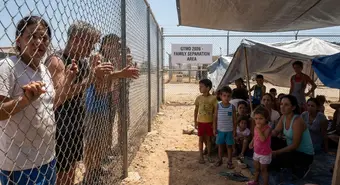
Guantanamo Deportations: Immigration Limbo Separating Families
54 Cubans deported to Guantanamo Naval Base live in limbo while their families struggle to understand Trump's new migration strategy.

Trump Deports More Cubans Than Any President: Record Numbers
Analysis of Trump's migration policies impact: 5,053 Cubans deported and the controversy over 'voluntary return' to a crisis-stricken Cuba.
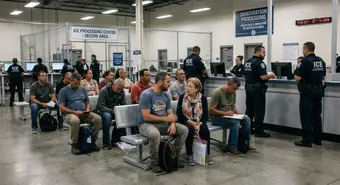
ICE Intensifies Operations: New Cuban Arrests Revealed
US immigration authorities arrested two more Cubans with criminal records as deportation pressure mounts under Trump's hardline approach.
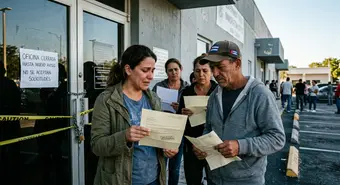
Double Migration Blow: Nicaragua and Trump Close Routes to Cubans
Nicaragua cancels visa-free entry while Trump suspends visa processing for 75 countries, leaving Cubans without legal options

The Drama of Cubans Deported from the US: Real Testimonies
1,669 Cubans deported in Trump's first year back. Stories of those returning to a Cuba in crisis with no home or future.