Cuban Woman, 79, Released After 9 Months in ICE: 'Want to Hug Family'
Julia Benítez Pérez was released after 9 months in ICE detention. Her story reflects the difficulties elderly Cubans face in US immigration.
5 min read
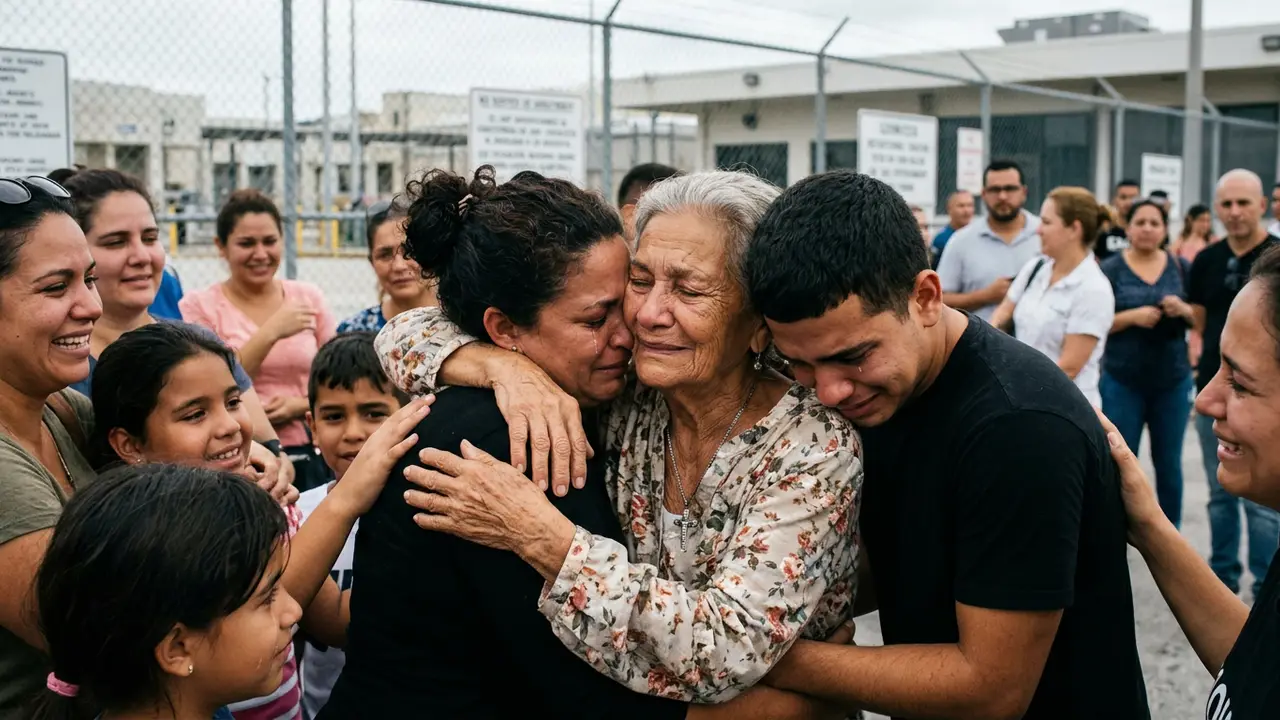
Illustration: Aroma de Cuba (AI)
Elderly Cuban Woman Released After 9 Months in ICE Detention: ‘I Want to Hug My Family’
Julia Benítez Pérez, 79, affectionately called “Grandma” by fellow detainees, was finally released last Thursday from the Eloy Detention Center after spending 9 months separated from her family.
Julia’s release marks another chapter in the family separation stories that have characterized migration policies under the Trump administration, especially for elderly Cuban migrants who face unique obstacles in the U.S. immigration system.
A Story Marked by Tragedy
Julia’s story is deeply marked by a tragic event that occurred in 1991, when her husband, Daniel Cosme Ramos, was murdered by Cuban border guards as he attempted to escape the island by sea, in a case documented as enforced disappearance.
“After publicly reporting what happened, the family claims to have suffered surveillance, harassment, and discrimination in Cuba, elements that are part of their asylum request.”
This historical persecution made Julia’s case particularly complex, where factors like advanced age and traumatic experiences intertwine with current deportation policies.
The Detention System and Elderly Migrants
Julia’s case highlights the specific challenges elderly migrants face in the ICE detention system:
- Prolonged family separation: 9 months without physical contact with loved ones
- Special medical conditions: Elderly adults require specific healthcare attention
- Psychological impact: The stress of detention intensifies with age
- Additional legal barriers: The complexity of cases with historical persecution backgrounds
The Context of Mass Deportations
Julia’s release occurs amid escalating deportations under the Trump administration, which has implemented a “maximum pressure” policy toward Cuba and its migrants:
Key data on Cuban deportations in 2026:
- 5,053 Cubans deported through February 2026
- 170 criminals deported on the first flight of the year (February 9)
- First acceptance by Cuba of deportees with criminal records in decades
- Over 300,000 Cubans with I-220A in legal limbo
Julia’s Words After Her Release
Upon being released, Julia expressed her immense joy but also concern for other detainees still waiting:
“I want to hug my family. These have been the hardest 9 months of my life, but I never lost hope.”
Her fellow detainees described her as a maternal figure who provided emotional support to other, younger migrants during her time at Eloy.
Legal and Family Implications
Julia’s release raises several important questions about the current immigration system:
For Cuban families:
- How does age affect ICE detention decisions?
- What resources do families have with elderly detained members?
- What is the role of persecution backgrounds in Cuba?
For the legal system:
- Should there be special considerations for elderly detainees?
- How does ICE evaluate cases with historical persecution backgrounds?
- What precedent does this case set for similar ones?
The Reality of Family Separation
Julia’s case illustrates a broader reality facing thousands of Cuban families:
Mental health impact: Prolonged separation especially affects elderly adults, who may experience cognitive and emotional deterioration more rapidly.
Economic burden: Families must pay for lawyers, visits to detention centers, and other legal process-related expenses.
Legal uncertainty: Many families don’t know how long detention will last or what the real possibilities for reunification are.
Other Recent Releases
Julia’s release is part of a series of similar cases that have captured public attention:
- Daniel Alejandro Escobar Rodríguez: Young Cuban released after almost 3 months with I-220A
- Alcibiades González and Yannier Vázquez: Cuban couple released thanks to union support
- Hospital workers: Cases where the community mobilized to pay bonds
Frequently Asked Questions About ICE Detention
What factors does ICE consider for release?
ICE evaluates flight risk, threat to public safety, cooperation with authorities, family ties, and special medical conditions.
How long can detention last?
There is no established legal limit, but cases like Julia’s demonstrate it can extend for many months, especially for elderly adults with complex cases.
What rights do elderly detainees have?
They have the right to adequate medical care, legal assistance, family communication, and special consideration due to their advanced age.
How can families help?
They can hire specialized lawyers, document medical conditions, mobilize community support, and maintain regular contact with human rights organizations.
Conclusion: A System Under Scrutiny
The release of Julia Benítez Pérez after 9 months of detention underscores the complexities of the current U.S. immigration system, especially for elderly Cuban migrants who carry stories of persecution and trauma.
While families celebrate these releases, the fundamental question remains: is this system fair and humane for people like Julia, who has suffered decades of persecution and now, in her golden years, must navigate a legal maze that separates families and prolongs suffering?
The answer could determine not only the future of thousands of Cubans in similar situations, but also the moral direction of U.S. immigration policies toward one of the most vulnerable communities seeking refuge in this country.
Related links:
- Federal Court Gives Hope to Cubans with I-220A: New Ruling Orders Review
- Record Deportations: Trump Deports More Cubans Than Any President in History
- Federal Judges Block Trump Deportations: Legal Victory for Cuban Migrants
- Released After 80 Days: Young Cuban’s I-220A Hope Story
- Cuban Adjustment Act 2026: Who Still Qualifies and Who Lost Protection
How we got here
Background
The first thing we published on this topic.
Cuba Records Second Magnitude 5 Earthquake in Three Days Near Santiago
A 5.0 magnitude tremor shook eastern Cuba, two days after a 5.6 quake in Guantánamo that damaged homes
45,000 Cubans Face Deportation Orders in the US
Some 550,000 Cubans vulnerable under Trump's immigration policies. Separated families and a community under pressure.
Related articles
ICE Intensifies Operations: New Cuban Arrests Revealed
US immigration authorities arrested two more Cubans with criminal records as deportation pressure mounts under Trump's hardline approach.

CBP One Shut Down: Cubans Left Without Legal Options
Trump eliminates CBP One app and suspends all asylum processes, leaving thousands of Cubans without legal alternatives to enter the US.
Historic Flight: 170 Cubans Deported in Precedent-Setting Operation
February 9, 2026: ICE deported 170 Cubans, including 50 with criminal records. First time Cuba accepts criminal deportees in decades.
Habeas Corpus vs ICE: Legal Resistance Frees Cubans from Detention
Over 24,000 habeas corpus petitions challenge ICE detention in 2026, freeing Cubans in hours after constitutional violations by federal courts.

ICE Intensifies Operations Against Cuban Families in March 2026
Multiple ICE arrests targeting Cubans reveal an intensified strategy that separates families and spreads panic through the community in March 2026.
Nicaragua Blocks Last Cuban Migration Route to the US
Nicaragua's decision to cancel visa-free travel for Cubans closes one of the last viable routes to the US, leaving thousands without migration options.