Ban Rarrá Debuts 'Panteón' at the National Theater of Cuba
The prestigious Ban Rarrá Folkloric Company presents its new work 'Panteón' on March 21st and 22nd at the Covarrubias Hall.
3 min read
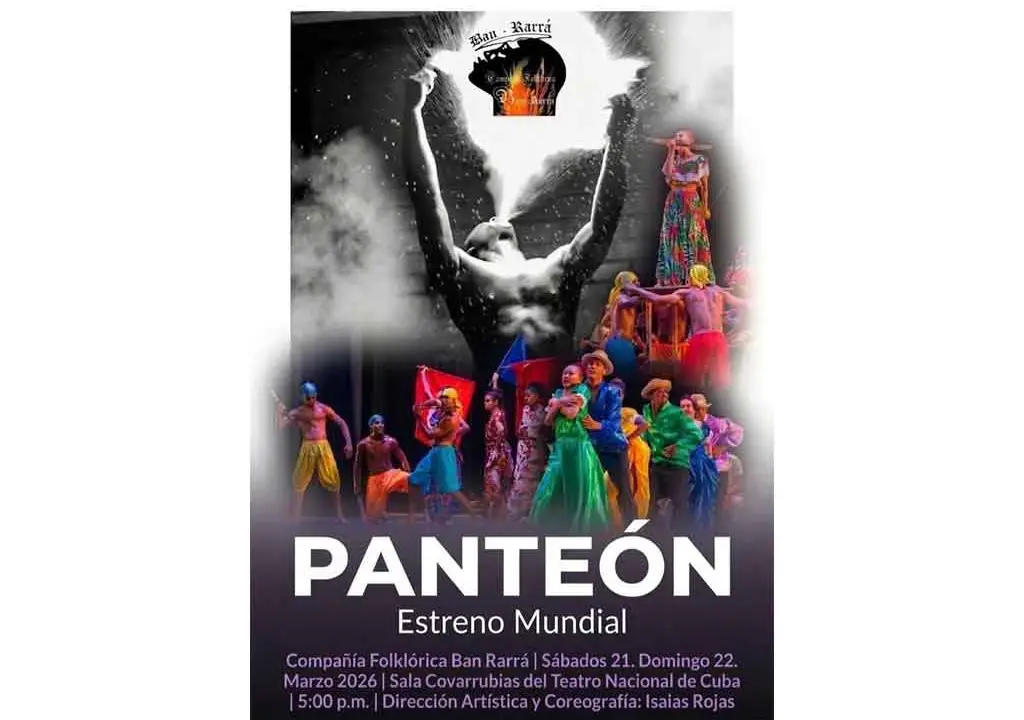
Photo: radioflorida.icrt.cu
The cultural scene in Havana sparkles this weekend with the premiere of “Panteón”, the latest production from the Ban Rarrá Folkloric Company. The performances take place on March 21st and 22nd at the iconic Covarrubias Hall of the National Theater of Cuba.
Under the direction of Master Isaias Rojas, this music and dance work delves into Afro-Cuban roots, exploring spirituality and the presence of deities in the national identity. Ban Rarrá, known for its technical rigor and its ability to blend tradition with modernity, reaffirms its position as one of the pillars of folklore on the island with this show.
The Legacy of Ban Rarrá in 2026
The company, which has toured international stages bringing Cuban rhythm all over the world, proposes a visual and sonic journey in “Panteón.” The show includes live music, where batá drums and ancestral chants guide the dancers in a choreography that moves between the sacred and the profane.
This premiere occurs at a time of great ferment for the performing arts in Cuba, despite the logistical challenges the country faces. The Covarrubias Hall, with its acoustics and elegance, provides the perfect setting for a production of this magnitude.
Performance Details
- Venue: Covarrubias Hall, National Theater of Cuba (Plaza de la Revolución, Havana).
- Dates: Saturday, March 21st and Sunday, March 22nd, 2026.
- Time: 7:00 PM (Saturday) / 5:00 PM (Sunday).
The response from the Havana public has been enthusiastic, selling out most of the seats since the initial announcement. “Panteón” is not just a dance show; it is an act of cultural preservation that keeps the flame of African heritage alive in Cuba.
FAQ about Ban Rarrá and ‘Panteón’
1. Who directs the Ban Rarrá Folkloric Company? The company is under the leadership of Master Isaias Rojas, who has been the primary guide of its distinctive style for decades.
2. What is the work ‘Panteón’ about? It is an exploration of the deities of the Yoruba pantheon and their representation in Cuban culture and daily life through dance and music.
3. Is there live music in the show? Yes, one of the characteristics of Ban Rarrá is the use of live percussion and vocals, which brings a unique energy to each presentation.
4. Where can tickets be purchased? Tickets are on sale at the box office of the National Theater of Cuba, located in Plaza de la Revolución.
Sources and Links of Interest
- Radio Florida: Ban Rarrá Folkloric Company Debuts Work Panteón in Cuba
- Portal Cuba: Cultural News Today
- Havana Cultural Calendar - March 2026
How we got here
Background
The first thing we published on this topic.
Cuban Music Conquers the Latin Grammys
Cuban artists sweep the ceremony with awards in multiple tropical music categories.
Old Havana Restoration Reaches a New Milestone
Rehabilitation work in the historic quarter reveals colonial frescoes from the 18th century.
Related articles
The Special Period: the Crisis That Transformed 1990s Cuba
The history of Cuba's Special Period (1991-2000), the devastating economic crisis after the fall of the USSR that changed the island forever.
Cimarrones and Palenques: Slave Resistance in Cuba
The history of Cuban maroons who escaped slavery and built free communities called palenques in the mountains, forging a legacy of resistance.
Havana's Chinatown: 179 Years of Cultural Legacy in Cuba
The world's second-largest Chinatown outside Asia was born in Cuba in 1847. Discover its remarkable history.
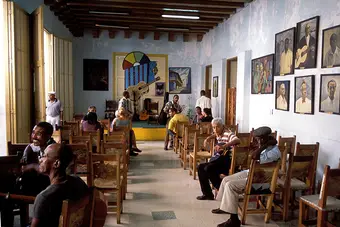
Pepe Sánchez Festival 2026: Cuban Trova Returns to Santiago
Cuba's oldest trova festival celebrates its 61st edition from February 26 to March 1 in Santiago de Cuba.

Release of 20 Prisoners in Cuba Following Vatican Mediation
At least 20 people have been freed in Cuba as part of an agreement mediated by the Holy See, part of an initial plan to release 51 inmates.
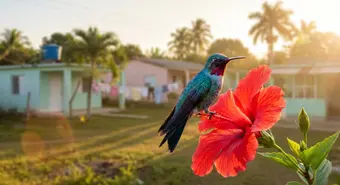
The Zunzún: Small Symbol of Great Cuban Resilience in 2026
Discover why the bee hummingbird, the world's smallest bird, has become a symbol of hope and resistance in Cuba during times of crisis.