The Zunzún: Small Symbol of Great Cuban Resilience in 2026
Discover why the bee hummingbird, the world's smallest bird, has become a symbol of hope and resistance in Cuba during times of crisis.
3 min read
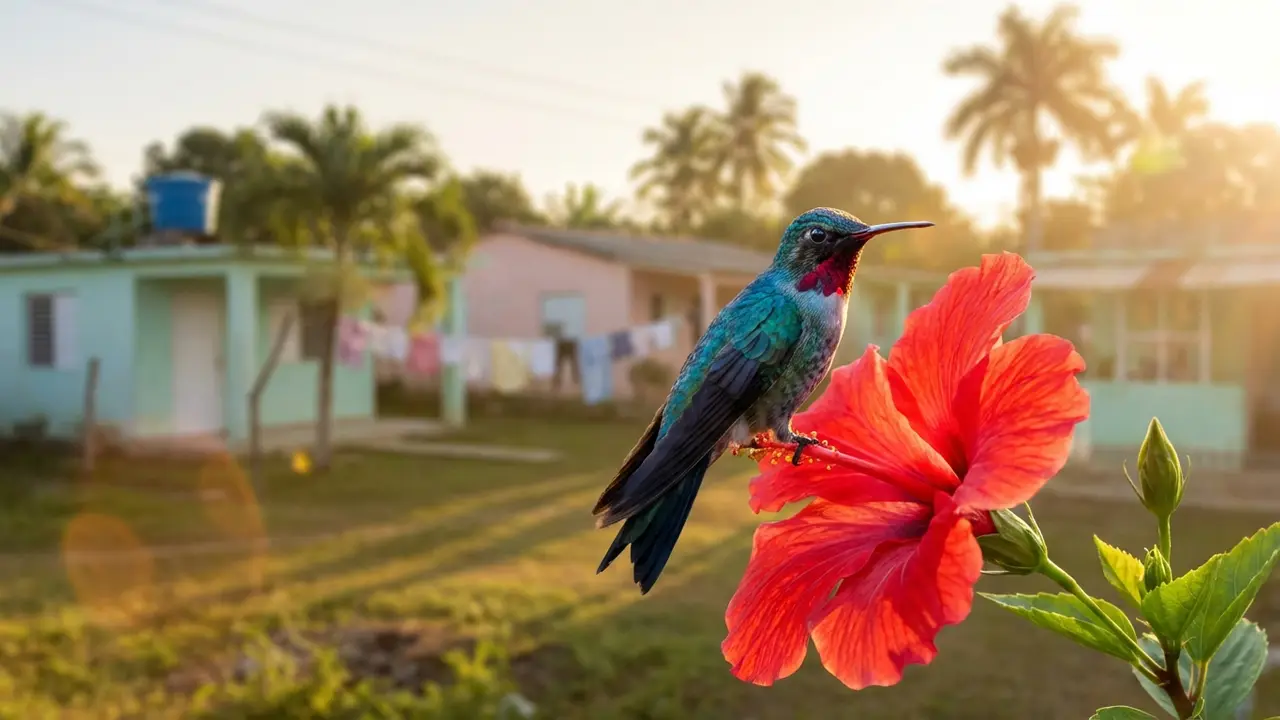
Illustration: Aroma de Cuba (AI)
At the heart of the energy crisis currently sweeping the island, a small winged figure continues to capture the imagination of the Cuban people: the Zunzuncito (Mellisuga helenae). This natural jewel, the smallest bird in the world and endemic to Cuba, is not only a biological miracle measuring a mere 5 centimeters; today it is a mirror reflecting the resilience of the Cuban people themselves.
A Miniature Giant
Despite its apparent fragility, the Zunzún possesses inexhaustible energy. Capable of flapping its wings up to 80 times per second, this tiny inhabitant of Cuba’s fields and gardens shows that size does not define strength. In a 2026 where shortages and blackouts test every household, the Zunzún’s tenacity in finding nectar in the most difficult flowers has become a powerful metaphor.
Symbol of Identity and Hope
The Bee Hummingbird is not only valued by scientists for its crucial role in pollination but is part of the nation’s emotional DNA. Just like the bird that never stops moving to survive, Cuban society continues to adapt and find creative solutions in the face of adversity.
“The Zunzún reminds us that, no matter how small we may feel in the face of problems, constancy is our greatest virtue,” say residents who maintain natural bird feeders in their backyards.
Frequently Asked Questions about the Cuban Zunzún
1. Where can the Zunzuncito be seen in Cuba?
Although it is endemic throughout the archipelago, it is most common in areas with abundant vegetation such as the Zapata Swamp, the Sierra Maestra, and the botanical gardens of Havana.
2. What does the world’s smallest bird eat?
It feeds mainly on the nectar of tropical flowers, although it also consumes small insects and spiders to supplement its diet with proteins.
3. How does the Zunzún survive storms and hurricanes?
These birds have an amazing survival instinct, seeking shelter in the densest knots of vegetation and entering a state of torpor to conserve energy during extreme conditions.
4. Why is it important for the Cuban ecosystem?
It is one of the most specialized pollinators on the island. Many Cuban flowers rely exclusively on its small beak to reproduce, maintaining the balance of local flora.
Related Links (Find more on Aroma de Cuba)
- Cuba Sets Blackout Record: 64% of Country Without Power
- Mexico Sends 1,200 Tons of Aid to Cuba Amid Energy Crisis
- Hotels Lit Up, Hospitals in the Dark: Cuba’s Two Worlds
- Cuba Health System On Brink of Collapse Due to US Oil Blockade
- UN Humanitarian Aid to Cuba Paralyzed by Fuel Shortage
Sources Consulted
How we got here
Background
The first thing we published on this topic.
Cuban Music Conquers the Latin Grammys
Cuban artists sweep the ceremony with awards in multiple tropical music categories.
Old Havana Restoration Reaches a New Milestone
Rehabilitation work in the historic quarter reveals colonial frescoes from the 18th century.
Related articles
La Cosa: The Secret Language That Reveals Cuba's Soul
When a Cuban asks '¿Cómo está la cosa?', they say everything while saying nothing. Discover the coded language that defines Cuban resilience.
Havana's Chinatown: 179 Years of Cultural Legacy in Cuba
The world's second-largest Chinatown outside Asia was born in Cuba in 1847. Discover its remarkable history.
The Cuban Guayabera: History of the Shirt That Defines Cuba
From the Yayabo River to presidential summits: the guayabera was born peasant and became a symbol of Cuban elegance. Discover its history.
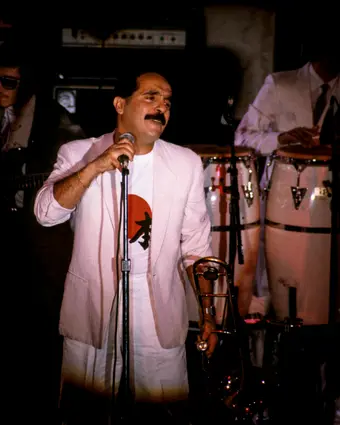
Willie Colón, Salsa Legend, Dies at 75
The Bronx trombonist, four-time collaborator with Celia Cruz and creator of 'Siembra', passed away on February 21st at 75 in New York.
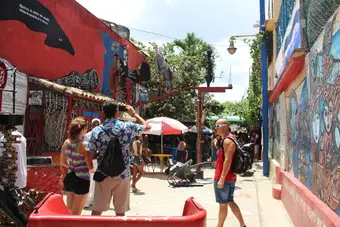
Callejón de Hamel: Havana's Open-Air Afro-Cuban Art Gallery
Discover Callejón de Hamel, the vibrant epicenter of Afro-Cuban art in Centro Habana with murals, sculptures, and Sunday rumba.
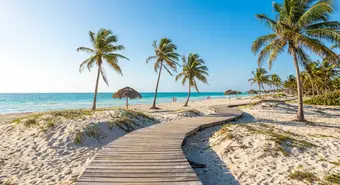
Cayo Coco & Cayo Guillermo: paradise beach guide for Cuba
Discover Cayo Coco and Cayo Guillermo, two jewels of the Jardines del Rey archipelago with white sand beaches and turquoise waters.