The Cuban Guayabera: History of the Shirt That Defines Cuba
From the Yayabo River to presidential summits: the guayabera was born peasant and became a symbol of Cuban elegance. Discover its history.
4 min read
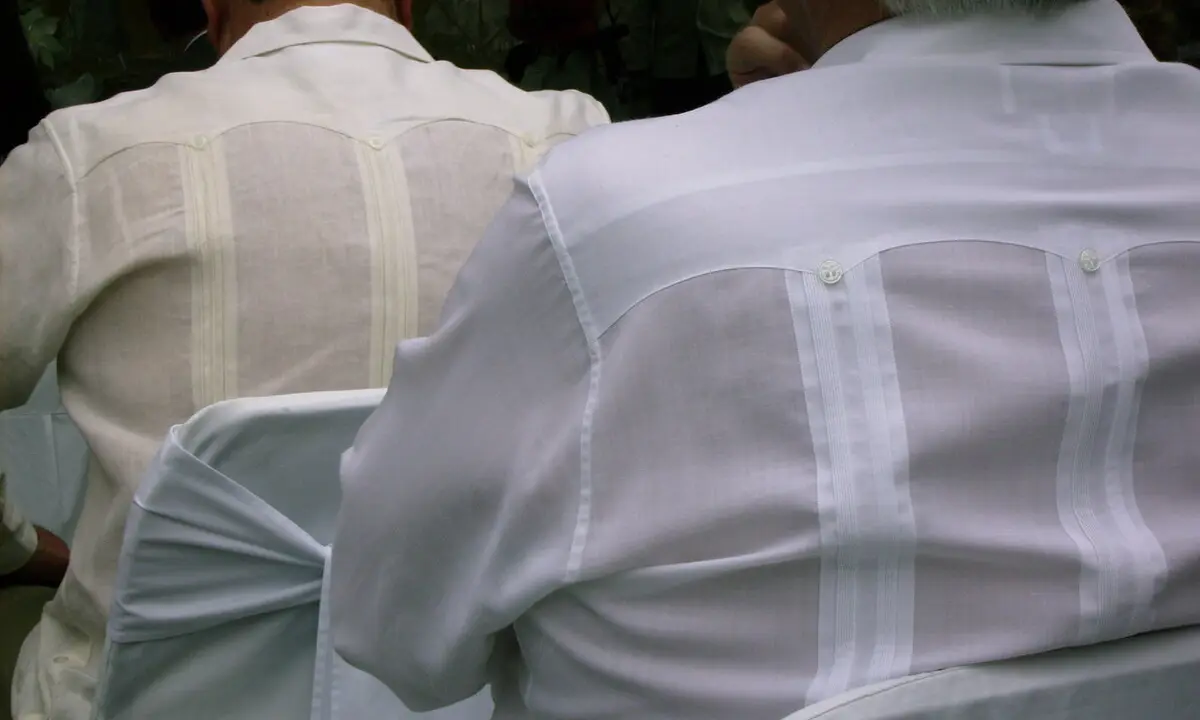
It was born as a humble work shirt for the fields. Today it dresses heads of state and Hollywood stars. The guayabera is more than clothing: it’s the essence of Cuba stitched into fabric.
From the Yayabo River to the World
The guayabera’s story begins on the banks of the Yayabo River, in Sancti Spíritus province, in the early 18th century. According to oral tradition, a woman named Encarnación made the first one for her husband: a cool shirt with ample pockets where he could store his things while working the land.
The local farmers had a habit of picking guavas and storing them in those generous pockets. Thus, the “yayabera”—named after the river—became the guayabera.
“It’s an elegant, cool, comfortable shirt. And it exudes Cuban spirit!” — Pedro Luis Fleitas Nápoles, Casa de la Guayabera
Anatomy of a National Garment
The classic guayabera is unmistakable:
- Fabric: Linen or cotton, always light and absorbent
- Color: Traditionally white, though colors are now common
- Pockets: Four ample front pockets
- Alforzas (pleats): Vertical tucks (two in front, three in back)
- Side vents: Originally designed for the machete
But there’s a detail few know: the pleats and buttons symbolize the Cuban flag. The triangular pattern on the shoulders represents the lone star, and the vertical stripes evoke the flag’s bands. It’s no coincidence that the mambises of the Cuban War of Independence wore them with pride.
The Guayabera in the Independence War
In the late 19th century, the guayabera resurged with symbolic force. War veterans—officers and soldiers—began wearing them with rosettes on their chests. The side vents, originally designed for ventilation, proved perfect for drawing the mambí machete.
Historical photographs show independence heroes wearing guayaberas. The garment transformed from workwear to a symbol of resistance and Cuban identity.
From Revolution to State Protocol
With the Revolution’s triumph in 1959, the guayabera lost prominence. The olive-green military uniform became the norm, even for weddings and formal events.
“After the revolution, everyone dressed in olive green here. People got married in militia uniforms!” recalls Carlo Figueroa, director of the Casa de la Guayabera.
But in 2010, everything changed. The Cuban government reclaimed the guayabera by declaring it the official garment for diplomatic and state ceremonies:
- Men: white, long sleeves
- Women: colors or dress versions permitted
A Museum for a Shirt
In Sancti Spíritus, on the banks of the same Yayabo River where it all began, stands a unique museum: the Casa de la Guayabera. Opened in 2012, it houses 272 guayaberas donated by their owners, including:
- Fidel and Raúl Castro
- Gabriel García Márquez
- Oswaldo Guayasamín
- Alicia Alonso (women’s version)
- Vilma Espín
The museum occupies the former Quinta Santa Elena restaurant, next to the iconic Yayabo River bridge, built in 1815 and now a national monument.
Celebrities in Guayaberas
The guayabera’s elegance crossed borders. Celebrities worldwide have embraced it:
- Johnny Depp, Antonio Banderas, Vin Diesel — on red carpets
- Orson Welles, Ernest Hemingway, Pablo Picasso — had theirs custom-made at Camisería Burgos in Madrid
- King Felipe VI of Spain — wore a light blue one during his 2019 visit to Havana
- Latin American presidents — Rafael Correa, Enrique Peña-Nieto, and Juan Manuel Santos at the 2014 Ibero-American Summit
The Art of Making One
Crafting an artisanal guayabera takes two days of work and decades of mastery.
Master tailor Fidel Díaz Gutiérrez of Sancti Spíritus has spent over 50 years in the craft, using a ninety-year-old Singer sewing machine inherited from his grandparents. “The pleats are the hardest part,” he explains. “You have to make them one by one, shaping them with your fingernail.”
Master craftsman Mario Freixas of Havana sums up its meaning: “It’s an important garment that identifies us. When you think of Cuba, you think of the guayabera, tobacco, and the royal palm.”
The Guayabera Today
The garment continues to evolve. From February 23-25, 2026, Sancti Spíritus will host the Guayabera 5.0 Technology Fair, an event uniting tradition with modern technology.
Contemporary designers experiment with bold colors, embroidery, and new cuts, but the essence remains: a cool, elegant, profoundly Cuban shirt.
Related Articles
Frequently asked questions
Where did the guayabera originate?
What do the guayabera's pleats symbolize?
When did the guayabera become Cuba's official garment?
Where can I see historic guayaberas in Cuba?
How we got here
Background
The first thing we published on this topic.
Cuban Music Conquers the Latin Grammys
Cuban artists sweep the ceremony with awards in multiple tropical music categories.
Son Cubano: The Rhythm That Conquered the World
From the mountains of Oriente to Broadway stages. History, instruments, and legends of the musical genre that defines Cuba.
Related articles
Cuban Musical Instruments: Claves, Bongos, Congas and the Tres
Discover Cuba's traditional instruments: claves, bongos, tumbadoras, maracas and the Cuban tres. History, craftsmanship and where to buy them.
Cuban Musical Instruments: Bongos, Congas, Tres and Claves Guide
Complete guide to Cuban musical instruments: bongos, congas, tres cubano, claves, maracas and timbales. History, sounds and where to buy.
La Cosa: The Secret Language That Reveals Cuba's Soul
When a Cuban asks '¿Cómo está la cosa?', they say everything while saying nothing. Discover the coded language that defines Cuban resilience.
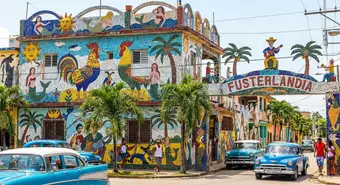
Fusterlandia: The Cuban Neighborhood Turned Living Mosaic Art
Discover Fusterlandia, the Cuban village transformed into mosaic art by José Fuster. History, naïve art, and the magic of Jaimanitas.
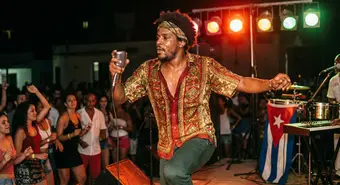
Cimafunk Conquers Jam Cruise 2026: Afro-Cuban Funk Takes Over
Cuban artist Cimafunk triumphs at Jam Cruise 22 with his fusion of funk and Afro-Cuban rhythms. Meet the Cuban James Brown.
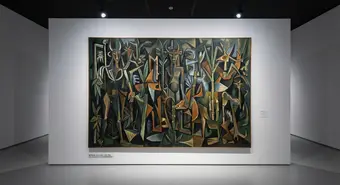
Wifredo Lam at MoMA: Cuban Spirits Take Over New York
MoMA hosts 'When I Don't Sleep, I Dream', a retrospective of Cuban painter Wifredo Lam through April 2026. Afro-Cuban art meets surrealism.