Celia Cruz: The Queen of Salsa and Her Legendary Centennial
The life and legacy of Celia Cruz, Cuba's Guarachera. Her 2025 centennial reaffirmed her throne as the undisputed queen of Latin music.
4 min read
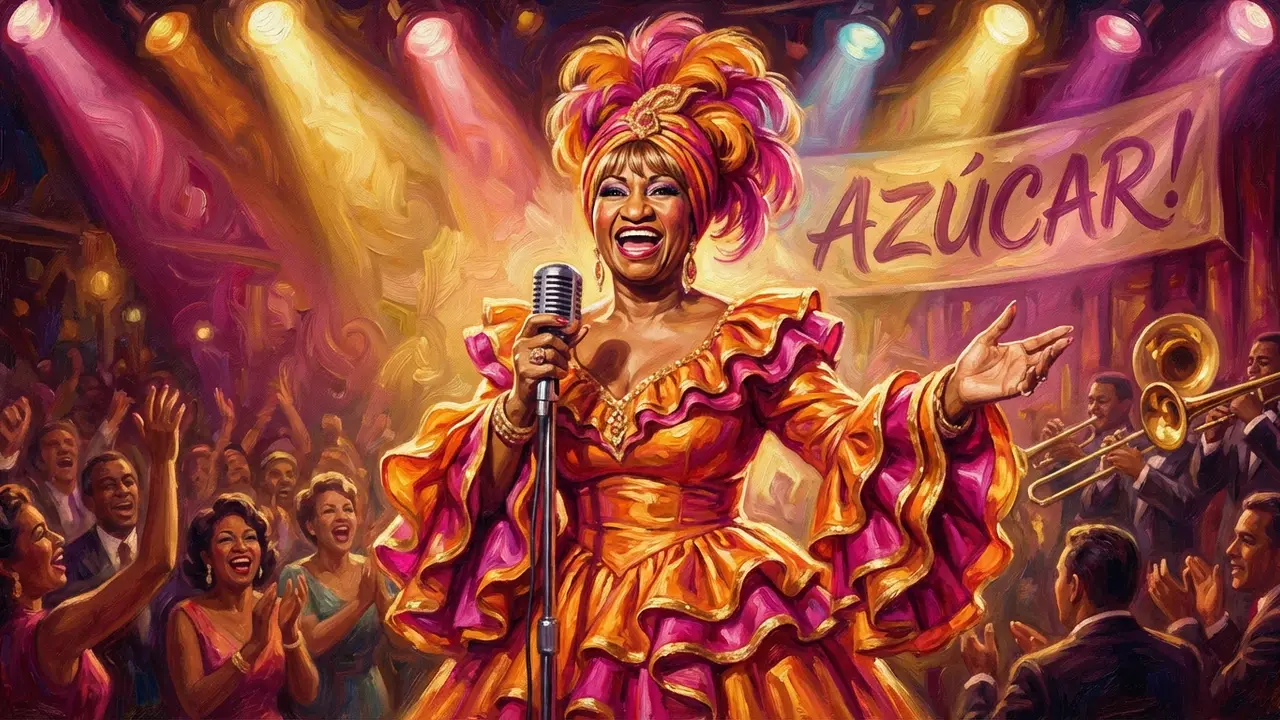
Illustration: Aroma de Cuba (AI)
¡Azúcar! One Hundred Years of Celia Cruz
On October 21, 2025, the world celebrated the centennial of Celia Caridad Cruz Alfonso — the woman who turned a shout, ¡Azúcar!, into a universal anthem. Born in the Santos Suárez neighborhood of Havana, Celia didn’t just dominate salsa: she defined it.
More than two decades after her passing, her legacy burns brighter than ever. Exhibitions in Miami, Grammy tributes, and Billboard honors throughout 2025 confirmed what millions already knew: Celia Cruz is eternal.
From Santos Suárez to the World
Celia grew up in a bustling household with fourteen children — siblings and cousins combined. Her father, a railway stoker, dreamed she’d become a teacher. But music called louder than any classroom.
She studied music theory, voice, and piano at the National Conservatory of Music in Havana. She won radio contests on CMQ during Cuba’s golden age of broadcasting and soon caught the attention of Cuba’s most famous orchestra.
Sonora Matancera: Fifteen Years of Glory
In 1950, Celia joined Sonora Matancera, replacing Myrta Silva as lead vocalist. The partnership lasted fifteen years and produced dozens of legendary recordings. With la Sonora, Celia mastered the guaracha, Cuban son, bolero, and rumba.
“When I stood in front of the microphone with la Sonora, I felt all of Cuba was singing with me.”
Exile: Pain and Reinvention
In 1960, after the Cuban Revolution nationalized the music industry, Celia left Cuba. She never returned. When her mother died in 1962, the government denied her permission to attend the funeral.
That pain marked her life but also fueled her art. She settled in the United States, married trumpeter Pedro Knight — her inseparable companion until the end — and launched a second career that would eclipse the first.
The Fania Era: Birth of the Queen of Salsa
In the 1970s, Celia signed with Fania Records, the label that defined New York salsa. Alongside Johnny Pacheco, Willie Colón, and the legendary Fania All-Stars, Celia recorded immortal classics:
- “Quimbara” — Perhaps her most recognizable song, an explosion of pure energy
- “Bemba colorá” — With Tito Puente, an electric collaboration
- “La vida es un carnaval” — A philosophy of life set to music
- “La negra tiene tumbao” — Her last great hit, recorded at age 77
With over 30 million records sold and 37 studio albums, Celia became one of the most successful Latin artists in history.
More Than Music: A Cultural Symbol
Celia Cruz transcended music. She was:
- Voice of the Cuban exile, without letting political bitterness consume her
- Icon of Afro-Cuban identity, proud of her Yoruba roots and her connection to Santería
- Feminist pioneer, dominating a male-dominated musical world
- Cultural ambassador, earning the U.S. National Medal of Arts (1994) and a star on the Hollywood Walk of Fame (1987)
Her extravagant wardrobe — monumental wigs, dazzling dresses, impossible shoes — was a declaration: joy as an act of resistance.
The Centennial: 2025, the Year of Celia
Celia’s hundredth birthday sparked a wave of tributes:
- Billboard Latin Women in Music dedicated a special tribute performance
- The Coral Gables Museum in Miami opened a photographic exhibition with never-before-seen images by Alexis Rodríguez-Duarte and Tico Torres (open through February 21, 2026)
- The Museum of Art and Design at Miami Dade mounted “CELIA: Work”, celebrating her visual legacy
- The Smithsonian published an extensive feature on her enduring legacy
Why Does It Matter Now?
At a time when Cuba faces its worst crisis in decades — record blackouts, fuel shortages, mass exodus — the figure of Celia Cruz takes on special meaning. She embodies Cuban resilience: turning pain into art, exile into triumph, nostalgia into celebration.
Eternal Legacy
Celia Cruz died on July 16, 2003, in Fort Lee, New Jersey, at age 77. Over half a million people filed past her coffin in Miami and New York. She rests at Woodlawn Cemetery in the Bronx, beside Pedro Knight.
But her true mausoleum is every dance floor where a salsa plays, every kitchen where someone sings “Quimbara quimbara,” every Cuban who, far from their island, shouts ¡Azúcar! to chase away the sadness.
A note from Zunzún: If you’re in Miami before February 21, don’t miss the centennial exhibition at the Coral Gables Museum. Unseen photos of the Queen. Worth every minute. 🌺
Frequently asked questions
Why did Celia Cruz say '¡Azúcar!'?
How many Grammys did Celia Cruz win?
Did Celia Cruz ever return to Cuba?
Where can I see the Celia Cruz centennial exhibition?
How we got here
Background
The first thing we published on this topic.
Cuban Music Conquers the Latin Grammys
Cuban artists sweep the ceremony with awards in multiple tropical music categories.
Son Cubano: The Rhythm That Conquered the World
From the mountains of Oriente to Broadway stages. History, instruments, and legends of the musical genre that defines Cuba.
Related articles
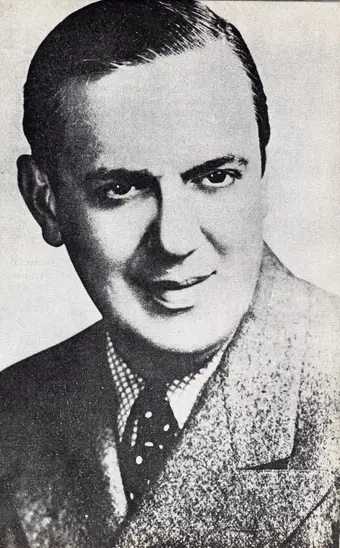
Ernesto Lecuona: The Cuban Gershwin Who Conquered the World
Life and legacy of Ernesto Lecuona, Cuba's most prolific composer with over 600 works that defined Latin music worldwide.

Havana's Salsa Festival Celebrates Orquesta Revé's 70th Anniversary
The 10th Festival de la Salsa honors a decade of music and 70 years of Elito Revé y su Charangón at Havana's Club 500.
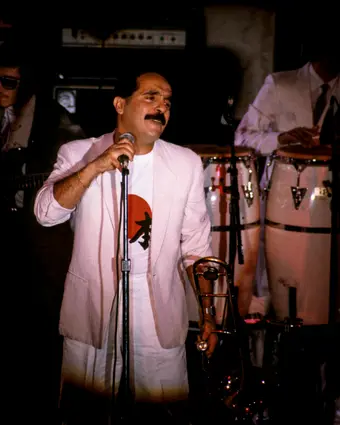
Willie Colón, Salsa Legend, Dies at 75
The Bronx trombonist, four-time collaborator with Celia Cruz and creator of 'Siembra', passed away on February 21st at 75 in New York.
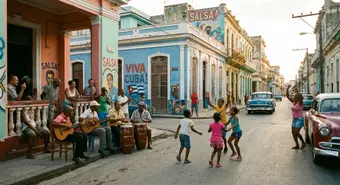
No Cultural Blackout: Cuba Takes Art to the Streets Amid Crisis
As Cuba faces its worst fuel crisis in decades, the country reorganizes cultural life: artists go to neighborhoods and the Book Fair is postponed.

Tropicana: The Paradise Under the Stars That Dazzled the World
The history of Havana's Tropicana cabaret from 1939 to today. Architecture, shows, and its enduring Cuban cultural legacy.
Cuban Photography: From Korda to Today, the Eye That Captured Cuba
The history of Cuban photography: Alberto Korda, Raúl Corrales, the iconic Che image, and new photographers documenting Cuba today.