Ernesto Lecuona: The Cuban Gershwin Who Conquered the World
Life and legacy of Ernesto Lecuona, Cuba's most prolific composer with over 600 works that defined Latin music worldwide.
4 min read
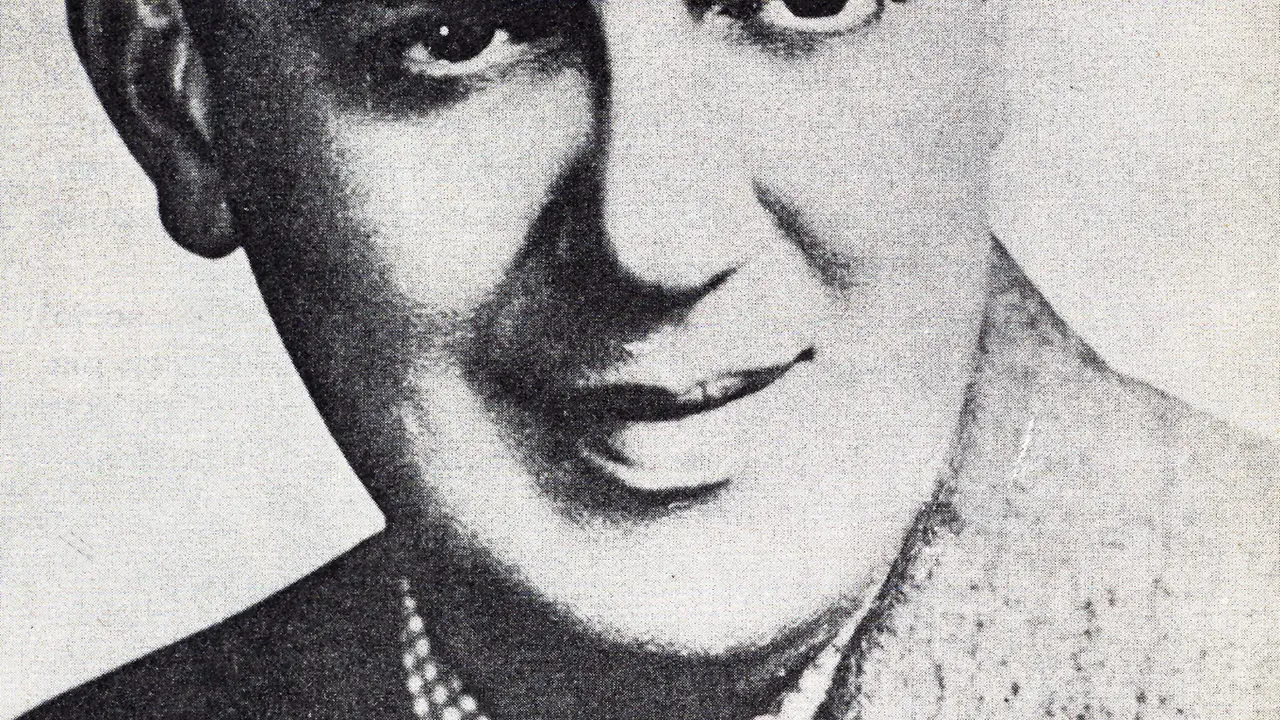
Ernesto Lecuona: The Cuban Gershwin Who Conquered the World
Some names transcend borders, languages, and generations. Ernesto Lecuona y Casado (1896-1963) is one of them: Cuba’s most prolific composer, a prodigious pianist, and the man who elevated Cuban rhythms to the realm of universal music.
With over 600 compositions — songs, zarzuelas, piano suites, and symphonic works — Lecuona did for Cuba what George Gershwin did for the United States: he transformed popular music into high art.
The Child Prodigy from Guanabacoa
Ernesto was born on August 7, 1896, in Guanabacoa, a Havana municipality with deep cultural and African roots. The son of a Canarian father and Cuban mother, he began studying piano at age five with his sister Ernestina Lecuona, herself a distinguished composer.
He composed his first song at 11. By 17, he had graduated from the National Conservatory of Havana with a gold medal in interpretation. In 1916, at just 20, he was already performing at Aeolian Hall in New York.
This wasn’t just talent — it was a force of musical nature.
The Works That Changed Everything
Siboney (1929)
Perhaps the most famous Cuban song of the 20th century. Siboney — inspired by the indigenous Taíno people — became an international standard, recorded by hundreds of artists from Bing Crosby to Connie Francis.
Malagueña
Part of the Andalucía Suite, Malagueña is one of the most performed piano pieces in the Latin American repertoire. Its drama and virtuosity have made it a favorite of classical and popular pianists alike.
Always in My Heart (1942)
This song was nominated for an Academy Award for Best Original Song in 1942, losing only to White Christmas by Irving Berlin — one of the best-selling songs in history. The mere fact of competing at that level speaks volumes about Lecuona’s reach.
María la O (1930)
His most famous zarzuela, premiered in Havana on March 1, 1930. A story of love and race in colonial Cuba that continues to be performed today.
From Havana to the World
The 1920s and 1930s were Lecuona’s golden age. His tours took him to the world’s most prestigious stages:
- Paris: triumphant recitals at the Salle Pleyel (1927-1928)
- New York: Carnegie Hall, where he conducted the world premiere of his Black Rhapsody (1943)
- Buenos Aires, Rio de Janeiro, Lima: tours across South America
- Madrid, Barcelona, London: European audiences captivated by his virtuosity
In the 1930s, he helped create the Lecuona Cuban Boys, a band that brought Cuban rhythms to stages worldwide, though he didn’t regularly perform with them.
He also composed music for Hollywood: the scores for The Cuban Love Song, Always in My Heart, and Carnival in Costa Rica all bear his signature.
Exile and Death Far from Cuba
After the Cuban Revolution of 1959, Lecuona — like so many Cuban artists and intellectuals — chose to leave. He settled in Tampa, Florida, living with his relative, the singer Esperanza Chediak.
On November 29, 1963, while traveling in the Canary Islands — his father’s homeland — he suffered a fatal heart attack in Santa Cruz de Tenerife. He was 67.
His will included a poignant request: that his remains be repatriated to Cuba when the regime changed. Over six decades later, Lecuona rests at Gate of Heaven Cemetery in Hawthorne, New York, still waiting.
A Legacy That Won’t Fade
The Lecuona family was a musical dynasty. His sister Ernestina was a recognized composer. His cousin Margarita Lecuona composed Babalú, popularized worldwide by Miguelito Valdés and brought to television fame by Desi Arnaz on I Love Lucy.
Lecuona didn’t just compose music: he built the bridge between the Cuban musical tradition and the world. Without him, the path for artists like Benny Moré, Celia Cruz, or the troubadours of the Nueva Trova would have been infinitely harder.
Every time Siboney plays in a Parisian café, Malagueña echoes in a Tokyo concert hall, or Always in My Heart drifts from a Miami radio, Ernesto Lecuona lives on — Cuba’s musical hummingbird who pollinated the entire world with his melodies.
Passionate about Cuban music? Discover also the history of Son Cubano, Danzón, and the explosive Cuban Timba.
Frequently asked questions
Who was Ernesto Lecuona?
What are Lecuona's most famous compositions?
Why did Lecuona leave Cuba?
What is the connection between Lecuona and Desi Arnaz?
How we got here
Background
The first thing we published on this topic.
Cuban Music Conquers the Latin Grammys
Cuban artists sweep the ceremony with awards in multiple tropical music categories.
Son Cubano: The Rhythm That Conquered the World
From the mountains of Oriente to Broadway stages. History, instruments, and legends of the musical genre that defines Cuba.
Related articles
Celia Cruz: The Queen of Salsa and Her Legendary Centennial
The life and legacy of Celia Cruz, Cuba's Guarachera. Her 2025 centennial reaffirmed her throne as the undisputed queen of Latin music.
Cuban Posters: The Graphic Art That Conquered the World
Discover Cuban posters from ICAIC and OSPAAAL, their legendary designers, and where to collect original vintage prints.
Arsenio Rodríguez: The Blind Marvel Who Revolutionized Cuban Music
Meet Arsenio Rodríguez, the blind tres genius who created the conjunto format, son montuno, and laid the foundations of modern salsa.
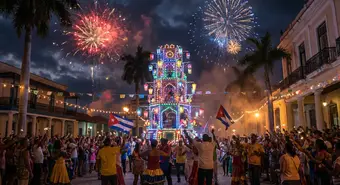
Las Parrandas de Remedios: Cuba's UNESCO Heritage Festival
Discover Las Parrandas de Remedios, the Caribbean's oldest festival with 200+ years of history. UNESCO Heritage since 2018.
Fernando Hechavarría Wins Cuba's National Theater Prize After 50 Years
The Holguín-born actor receives Cuba's highest theater honor for a career spanning Teatro Escambray to Teatro El Público.
Alden Knight (1936-2026): Farewell to a Legend of Cuban Art
Cuba mourns Alden Knight, actor of film, theater, radio, and TV who dedicated six decades to performing arts. National Television Award winner.