Danzón: Cuba's National Dance Born in Matanzas in 1879
The history of Cuban danzón, from Miguel Failde's Las Alturas de Simpson to its influence on mambo and cha-cha-chá.
6 min read
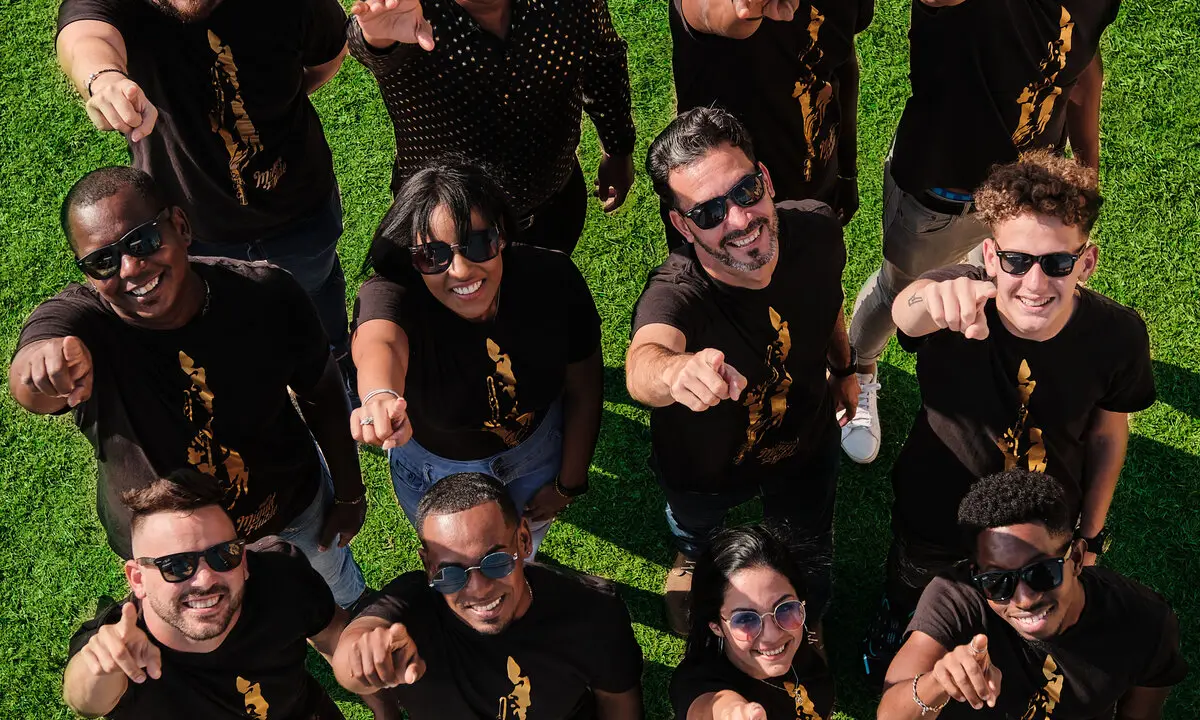
Danzón: The National Dance Born in Matanzas
On January 1, 1879, at the Liceo de Matanzas, a young Afro-Cuban musician named Miguel Failde premiered a piece that would forever change Caribbean music: Las Alturas de Simpson. That night, the danzón was born — Cuba’s first truly native musical genre and dance form — launching a cultural revolution that would bring together Cubans of all races in the ballrooms of a still-colonial island.
From Contradanza to Danzón: A Transatlantic Journey
The danzón’s story begins long before 1879. Its roots reach back to the European contradanza — a ballroom dance that arrived in Cuba through multiple channels: Spanish colonists, the brief British occupation of Havana in 1762, and Haitian refugees fleeing the 1791 revolution who brought their Creole kontradans to eastern Cuba.
In the ballrooms of 19th-century Havana and Matanzas, the contradanza became thoroughly creolized. Cuban musicians — many of them Black and mixed-race — added the cinquillo and tresillo, rhythmic patterns of African origin that gave it an entirely new flavor. Thus was born the habanera or danza criolla, the danzón’s direct ancestor.
Miguel Failde: The Man Who Invented Cuba Dancing
Miguel Ramón Demetrio Failde (1852–1921) was born in Matanzas, the city Cubans proudly call the Athens of Cuba. Son of a military cornetist, Failde learned music from childhood and played in clarinetist Faustino Valiente’s orchestra before forming his own ensemble.
What Failde did was brilliantly simple: he took the contradanza, expanded its formal structure, and created a couples dance format with a revolutionary twist. Dancers didn’t move non-stop — they paused during instrumental introductions and paseos to converse, flirt, and socialize, resuming the dance at precisely the right moment.
Failde himself explained it:
“In Matanzas at that time there was a kind of square dance for twenty couples who carried arches and flowers. It was really a dance of figures, and its moves were adapted to the tempo of the habanera, which we took over for the danzón.”
Scandal in the Ballrooms: “Music of Black People”
Like every Cuban innovation, the danzón sparked fierce controversy. Conservative elites condemned it as immoral: couples danced too close together, the music had obvious African roots, and the dance halls filled with people of every skin color.
Newspapers of the era published scandalized editorials calling it “a dance against morality” and “music of Black people.” But the Cuban people had other plans. Within a few years, the danzón conquered the entire island, from the elegant halls of Havana’s Casino Español to the popular fiestas of Santiago.
To explore more about Cuba’s rich African-rooted music, check out our article on Cuban rumba, a UNESCO Heritage.
Musical Structure: Elegance with Swing
Classic danzón is written in 2/4 time and follows a precise formal structure:
- Introduction (4 bars) — the musicians set the tone
- Paseo (4 bars) — couples walk onto the floor
- First melody (16 bars) — the dancing begins
- Introduction and paseo repeat — pause to socialize
- Second melody — a new musical theme
The magical moment comes on the fourth beat of the fourth bar of the paseo, when all dancers begin moving in unison. Recognizing that instant was the mark of a true danzonero.
From Orquesta Típica to Charanga
The first danzón orchestras were the orquestas típicas: cornet, valve trombone, ophicleide (a now-extinct brass instrument), clarinets, violins, and timbales. Their sound was powerful, almost military.
In the early 20th century, a lighter, more elegant format emerged: the charanga francesa. With five-key flute, violins, piano, double bass, timbales, and güiro, the charanga gave the danzón a more refined sonority that dominated Cuban ballrooms for decades.
Among the great danzón charangas:
- Orquesta de Enrique Peña — brought the charanga format to its peak
- Antonio María Romeu — the “wizard of the keys,” who revolutionized piano in danzón
- Arcaño y sus Maravillas — the orchestra that transformed danzón into something new
From Danzón to Mambo: The Evolution That Changed the World
In 1938, within Arcaño y sus Maravillas, bassist and composer Orestes López introduced a new rhythmic section at the end of his danzones: a syncopated montuno, more danceable, with more improvisation. He called it danzón-mambo.
His brother Israel “Cachao” López — one of the most important musicians in Cuban history — developed the idea further. From this innovation would emerge mambo, which Dámaso Pérez Prado would take to worldwide fame in the 1940s and 50s.
And from the danzón-mambo also sprang the cha-cha-chá, created by violinist Enrique Jorrín in 1953 — another Cuban genre that conquered the planet.
If you’re interested in how these genres evolved, don’t miss our history of Cuban son and Cuban timba.
Danzón Today: Alive in Matanzas and Beyond
Although it stopped being Cuba’s dominant rhythm in the 1950s, the danzón never died. In Matanzas, the Orquesta Failde — founded in 2012 by musician Ethiel Failde, a spiritual descendant of Miguel — keeps the tradition alive with arrangements that blend classical and contemporary elements.
In Mexico, danzón found a second home. In cities like Veracruz, where it arrived with Cuban musicians in the early 20th century, it’s danced in public squares every weekend. The International Danzón Festival in Veracruz is one of the country’s most important cultural events.
In Cuba, every January 1st marks the anniversary of Las Alturas de Simpson’s premiere with events in Matanzas, and UNESCO has recognized danzón as part of Cuba’s intangible cultural heritage.
The Legacy: More Than a Dance
Danzón was much more than music. It was the first shared cultural space for Cubans of all races in a colonial slave society. It proved that the Afro-European fusion — musical mestizaje — could produce something greater than the sum of its parts.
From its trunk grew mambo, cha-cha-chá, and much of what the world knows as Latin music. Without Miguel Failde and his Matanzas danzón, the musical history of the 20th century would have been radically different.
Because in Cuba, even the pauses in the dance tell a story. 🎶
Frequently asked questions
Who created the Cuban danzón?
Why is danzón Cuba's national dance?
What instruments are used in danzón?
How is danzón related to mambo and cha-cha-chá?
How we got here
Background
The first thing we published on this topic.
Cuban Music Conquers the Latin Grammys
Cuban artists sweep the ceremony with awards in multiple tropical music categories.
Son Cubano: The Rhythm That Conquered the World
From the mountains of Oriente to Broadway stages. History, instruments, and legends of the musical genre that defines Cuba.
Related articles
Cuban Musical Instruments: Bongos, Congas, Tres and Claves Guide
Complete guide to Cuban musical instruments: bongos, congas, tres cubano, claves, maracas and timbales. History, sounds and where to buy.
Cuban Books: 12 Essential Works of Cuban Literature You Must Read
Discover the must-read Cuban books from José Martí to Leonardo Padura. A guide to essential Cuban literature and where to buy them.
Cuban Hip-Hop: From Alamar to the World, Cuba's Rap Revolution
The history of Cuban hip-hop from Alamar to today. How rap became the voice of a generation during Cuba's Special Period crisis.
Nicolás Guillén: Cuba's National Poet and the Afro-Cuban Voice
Discover the life and work of Nicolás Guillén, the poet who fused son music with poetry and gave voice to Afro-Cuban identity.
Tropicana: The Paradise Under the Stars That Dazzled the World
The history of Havana's Tropicana cabaret from 1939 to today. Architecture, shows, and its enduring Cuban cultural legacy.
Cuban Photography: From Korda to Today, the Eye That Captured Cuba
The history of Cuban photography: Alberto Korda, Raúl Corrales, the iconic Che image, and new photographers documenting Cuba today.