ICE Plans 92,600 Detention Beds Despite Partial DHS Shutdown
The U.S. will spend $38.3 billion expanding immigration detention as DHS faces a partial government shutdown.
3 min read
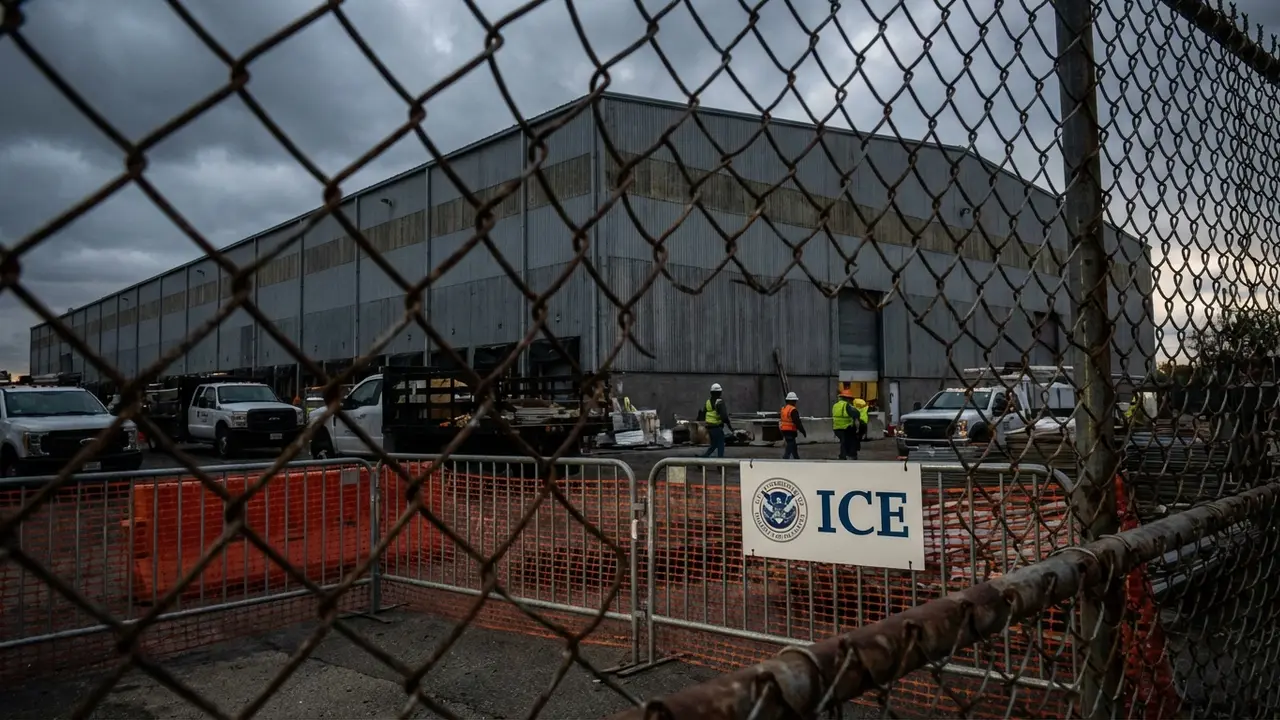
Illustration: Aroma de Cuba (AI)
As the U.S. Department of Homeland Security (DHS) entered a partial shutdown on February 14 due to a funding lapse, an official document reveals that Immigration and Customs Enforcement (ICE) is planning an unprecedented expansion of its detention infrastructure: 92,600 beds with a budget of $38.3 billion.
The Paradox: DHS Shuts Down but ICE Keeps Running
The Senate blocked DHS funding after Democrats demanded restrictions on Trump’s immigration agenda, including changes to federal agent conduct and visible identification requirements during enforcement operations.
However, ICE operations will not stop. Republicans have emphasized that both ICE and Customs and Border Protection (CBP) have substantial funds approved last year as part of Trump’s tax package:
- $75 billion for ICE
- $65 billion for CBP
These resources can continue to be used for deportations and immigration enforcement, regardless of the DHS budget shutdown.
The Mega-Expansion: Warehouses Turned Into Jails
A document released by Republican New Hampshire Governor Kelly Ayotte reveals ICE’s detailed plans:
- 16 regional processing centers with capacity for 1,000-1,500 detainees, averaging 3 to 7 day stays
- 8 large-scale detention centers capable of housing 7,000 to 10,000 people for periods under 60 days
- 10 existing “turnkey” facilities acquired directly
- Target date: all operational by November 2026
ICE has already quietly purchased at least seven warehouses — some larger than 1 million square feet — in recent weeks across Arizona, Georgia, Maryland, Pennsylvania, and Texas.
Alarming Numbers for the Cuban Community
Current figures are already concerning:
- Over 75,000 migrants in ICE custody as of mid-January 2026
- 40,000 when Trump took office in January 2025 — nearly doubled in one year
- 54 Cubans deported to Guantánamo Naval Base in three flights between December 2025 and January 2026
- 45,000 Cubans with active deportation orders in the U.S.
For the Cuban community, this massive expansion means more compatriots could be detained in these new facilities, far from their families and lawyers, in centers improvised from industrial warehouses.
Political Tensions Over New Facilities
The document’s release generated political friction. Interim ICE Director Todd Lyons testified that DHS had “worked with Governor Ayotte” on plans for a 500-bed center in Merrimack, New Hampshire.
Ayotte responded that the assertion was “simply not true” and that the economic summary was sent hours after Lyons testified. The document even contained errors, referring to economic impact in Oklahoma and mentioning state sales and income taxes — neither of which exist in New Hampshire.
In at least six cities, warehouse purchases were scuttled under pressure from activists, though new deals in places like New York are imminent.
Impact on Federal Workers
Of the more than 270,000 DHS employees, approximately 258,000 are deemed essential and must continue working without pay until Congress approves new funding. Only about 22,000 (5%) were furloughed.
At the TSA, 95% of staff continue operating airports without salary. Many employees haven’t yet recovered financially from the previous 43-day shutdown last autumn.
What This Means for Cubans in the U.S.
The combination of a technically shut-down DHS but a massively funded ICE with aggressive expansion plans creates a complex scenario:
- Deportations continue without interruption
- More detention capacity means more potential arrests
- Improvised centers in warehouses raise concerns about detention conditions
- Reduced oversight during the DHS shutdown could decrease accountability
Cubans with deportation orders, pending cases, or irregular immigration status should be especially vigilant and seek immediate legal counsel.
Sources: Associated Press, CiberCuba, Hartford Courant
Frequently asked questions
How many detention beds does ICE plan to have?
What happens to ICE during the DHS shutdown?
How does this affect detained Cubans?
What are ICE regional processing centers?
Sources
- Associated Press · apnews.com
- CiberCuba · en.cibercuba.com
- Hartford Courant · courant.com
How we got here
Background
The first thing we published on this topic.
Cuba Records Second Magnitude 5 Earthquake in Three Days Near Santiago
A 5.0 magnitude tremor shook eastern Cuba, two days after a 5.6 quake in Guantánamo that damaged homes
45,000 Cubans Face Deportation Orders in the US
Some 550,000 Cubans vulnerable under Trump's immigration policies. Separated families and a community under pressure.
Related articles

The Billion-Dollar Business Behind Nicaragua's Cuban Migration Route
How Ortega's regime turned Cuban migration into a massive business with charter flights, visa exemptions, and per-migrant fees worth thousands.

Florida Pays $1.7 Million to Police for ICE Collaboration
Volusia and Flagler counties receive state funds for immigration operations. Cases involving Cubans highlighted at official press conference.

Cubana de Aviación Slashes Madrid Route to Just One Weekly Flight
Cuba's national airline drastically cuts European service as NOTAM confirms no jet fuel at Cuban airports until March 2026.

The Ordeal of Cubans Deported to Guantánamo: Testimonies
Over 50 Cubans were sent to the Guantánamo naval base believing they were going to Havana. Their testimonies reveal blindfolds, deception, and isolation.

28% of ICE Detainees Choose Self-Deportation in Record 2025 Wave
Voluntary departures from ICE custody hit historic highs in 2025, with thousands of Cubans opting to self-deport amid harsher policies.

Cuban Rafters Rescued in Mexico and Caribbean as Sea Routes Surge
Seven rafters rescued off Quintana Roo and six by a Royal Caribbean cruise. Maritime routes resurge after Nicaragua closes its migration corridor.