Florida Pays $1.7 Million to Police for ICE Collaboration
Volusia and Flagler counties receive state funds for immigration operations. Cases involving Cubans highlighted at official press conference.
2 min read
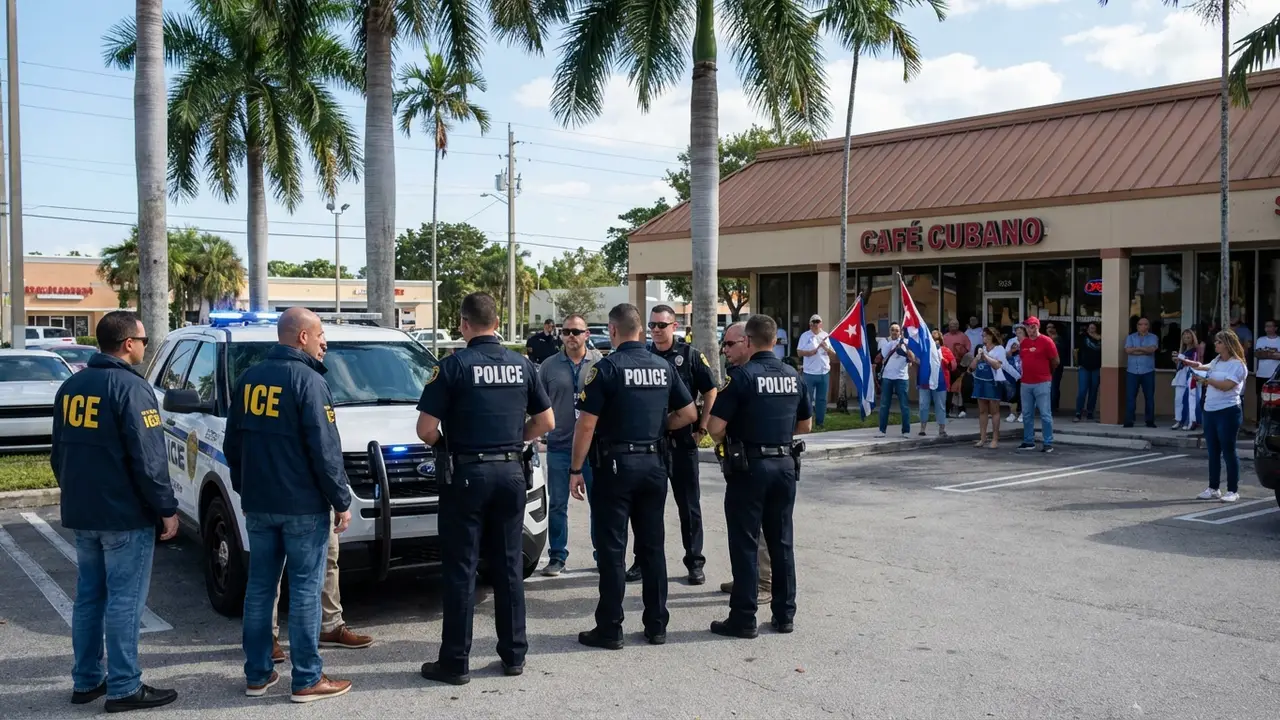
Illustration: Aroma de Cuba (AI)
The state of Florida reimbursed over $1.7 million to law enforcement agencies in Volusia and Flagler counties for their collaboration with Immigration and Customs Enforcement (ICE), according to The Observer.
During a press conference in Daytona Beach, Florida’s Chief Financial Officer Blaise Ingoglia defended the measures as part of a strategy to “create deterrence” and curb irregular immigration in the state.
Where Did the Funds Go?
The largest allocation went to the Flagler County Sheriff’s Office, which received over $725,000. The funds were used for:
- Training agents to support ICE operations
- Rapid identification technology linked to federal databases
- Stipends for officers participating in immigration operations
Sheriff Rick Staly left no room for ambiguity: “If you come to Flagler County, commit a crime, you should expect to be arrested, and if you are here illegally, we will hand you over to ICE.”
Cuban Cases Highlighted
During the conference, Staly spotlighted specific cases involving Cuban citizens:
- A Cuban man sentenced in 2025 for sexual assault against a minor, receiving a six-year prison sentence with deportation scheduled after serving his time
- Another Cuban arrested for stealing nearly $4,000 worth of meat from a Publix supermarket
Since February 2025, the Volusia Sheriff’s Office has recorded approximately 220 encounters with individuals referred to ICE or Border Patrol for immigration detentions.
New Legislative Proposals
Ingoglia also announced initiatives to further tighten Florida’s immigration landscape:
- Ban commercial driver’s licenses for individuals without legal status
- Suspend exams in languages other than English
- Expand the HALO law to make it a misdemeanor to film federal agents from less than 25 feet away
Impact on the Cuban Community
Florida is home to one of the largest Cuban communities in the United States. Many Cubans have pending asylum cases, expired paroles or I-220A supervision orders, or unresolved proceedings.
While authorities insist the actions target those who commit crimes, the reality is that police-ICE collaboration operations create a climate of fear that affects the entire community, regardless of immigration status.
This news adds to the recent wave of ICE arrests of Cubans and the debate over deportations to third countries that has marked the first weeks of 2026.
Frequently asked questions
How much money did Florida police receive for ICE collaboration?
How does this affect Cubans in Florida?
What new laws is Florida proposing against immigrants?
How many immigration encounters has Volusia recorded since 2025?
How we got here
Background
The first thing we published on this topic.
Cuba Records Second Magnitude 5 Earthquake in Three Days Near Santiago
A 5.0 magnitude tremor shook eastern Cuba, two days after a 5.6 quake in Guantánamo that damaged homes
45,000 Cubans Face Deportation Orders in the US
Some 550,000 Cubans vulnerable under Trump's immigration policies. Separated families and a community under pressure.
Related articles
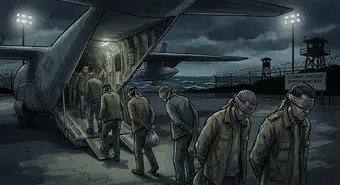
The Ordeal of Cubans Deported to Guantánamo: Testimonies
Over 50 Cubans were sent to the Guantánamo naval base believing they were going to Havana. Their testimonies reveal blindfolds, deception, and isolation.

28% of ICE Detainees Choose Self-Deportation in Record 2025 Wave
Voluntary departures from ICE custody hit historic highs in 2025, with thousands of Cubans opting to self-deport amid harsher policies.

I-220A and I-220B Forms: Complete Guide for Cubans
Everything you need to know about I-220A and I-220B forms, their differences, risks, and legal options for Cubans in the US.
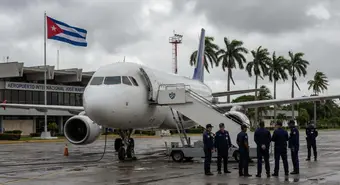
170 Cubans deported in first repatriation flight of 2026
The United States resumes deportation flights to Cuba with 170 migrants repatriated to José Martí airport.
45,000 Cubans Face Deportation Orders in the US
Some 550,000 Cubans vulnerable under Trump's immigration policies. Separated families and a community under pressure.
I-220A: The Lawsuit That Could Decide 500,000 Cubans' Future
Lawyers seek class-action status to have the I-220A recognized as parole, potentially allowing half a million Cubans to adjust status.