Unloading of 100,000 Tons of Russian Oil Completed in Cuba
The oil tanker Anatoli Kolodkin finished unloading crude in Matanzas, a vital respite amid power outages affecting over 50% of the island.
2 min read

Photo: Wikimedia Commons / David Martin
The unloading operations of the Russian oil tanker Anatoli Kolodkin, which transported 730,000 barrels of crude oil (equivalent to 100,000 tons) to Cuba, concluded this weekend at the supertanker base in Matanzas Bay. This shipment represents a strategic relief for the National Electric System (SEN), which has faced generation deficits exceeding 50% in recent weeks.
A Breather for the Power Grid
The Cuba-Petroleum Union (CUPET) reported that the crude will be processed into gasoline and fuel oil, intended to meet “critical needs” of the population and industry. It is estimated that the distribution of these finished products will begin during the second half of April, potentially significantly reducing the frequency and duration of power outages.
The arrival of this vessel on March 31 marks a turning point in the midst of the most severe energy crisis in years. Russia has reaffirmed its commitment to send a second vessel this month, strengthening the energy alliance between Moscow and Havana in the face of U.S. sanctions.
Impact on the Population
Blackouts, which have averaged 12 hours a day in several provinces, have generated growing social unrest. The Russian supply not only seeks to stabilize the power grid but also to ensure the functioning of basic services such as water pumping and food preservation.
FAQ
How much oil did the Russian ship bring to Cuba?
The oil tanker Anatoli Kolodkin unloaded 100,000 tons of crude, which is equivalent to about 730,000 barrels of oil.
Where was the crude oil unloaded?
The operation took place at the supertanker base in Matanzas Bay, the island’s main infrastructure for such activities.
When will the next shipment of oil from Russia arrive?
Russian Energy Minister Sergey Tsiviliov announced that a second vessel is scheduled to depart for Cuba during the month of April.
How will this oil help reduce blackouts?
The crude will be refined to produce fuel oil and gasoline, essential fuels for thermoelectric plants and transportation, which will improve the country’s electricity generation capacity.
Related Posts
- Cuba announces the release of over 2,000 prisoners amid U.S. pressure
- Energy crisis in Cuba: The daily struggle against blackouts
- Cuba-Russia Relations: Strategic agreements in 2026
- Matanzas: The island’s industrial heart
- The economic impact of power outages in Cuba
Sources: Infobae, CNN en Español, Prensa Latina.
How we got here
Background
The first thing we published on this topic.
How Cubans Are Surviving the Fuel Rationing Crisis
Neighbors unite to cook with firewood, power cuts lasting up to 18 hours, and echoes of the Special Period. Testimonies from Havana on the energy crisis.
Cuba Postpones IT Convention 2026 Due to Energy Crisis
Cuba's main technology event, scheduled for March, is indefinitely postponed due to the 'extraordinary situation' facing the country.
Related articles
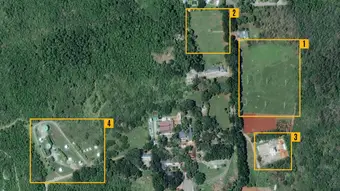
Russian Tanker Anatoly Kolodkin: Spy Fears and Tension in Cuba
The arrival of the Anatoly Kolodkin with Russian oil in Cuba sparks intelligence alerts in Washington over the Kremlin's spy operations and the Lourdes base.
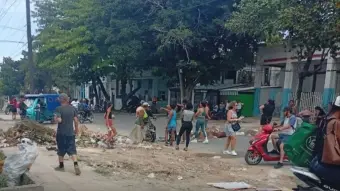
Protests in Havana Over Water and Power Shortages as April Begins
Havana neighborhoods report spontaneous protests in early April 2026 due to critical water shortages and persistent blackouts.

Euro and Dollar Smash All-Time Records in Cuba's Informal Market
The European currency hits 588 CUP while the dollar stands at 520, deepening the economic crisis and the free fall of the Cuban peso.

Cuba Projects 1% Economic Growth for 2026
The Government of Cuba estimates a modest 1% GDP growth for 2026, struggling with high inflation and the effects of U.S. sanctions.

Cuba Power Outages Surge After Antonio Guiteras Plant Failure
Cuba's energy deficit exceeds 1,800 MW after the Antonio Guiteras plant failure, affecting over 50% of the island due to technical faults.
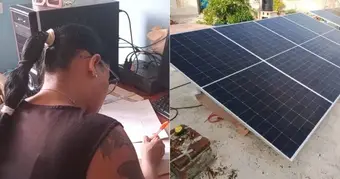
Cubans now required to get permit to install solar panels
The Cuban government imposes new bureaucratic hurdles: a permit from Urbanism is now required to install photovoltaic systems in private homes.