Jardines de la Reina: the Caribbean's best diving is in Cuba
Discover Jardines de la Reina, Cuba's protected archipelago with sharks, pristine reefs, and world-class diving.
4 min read
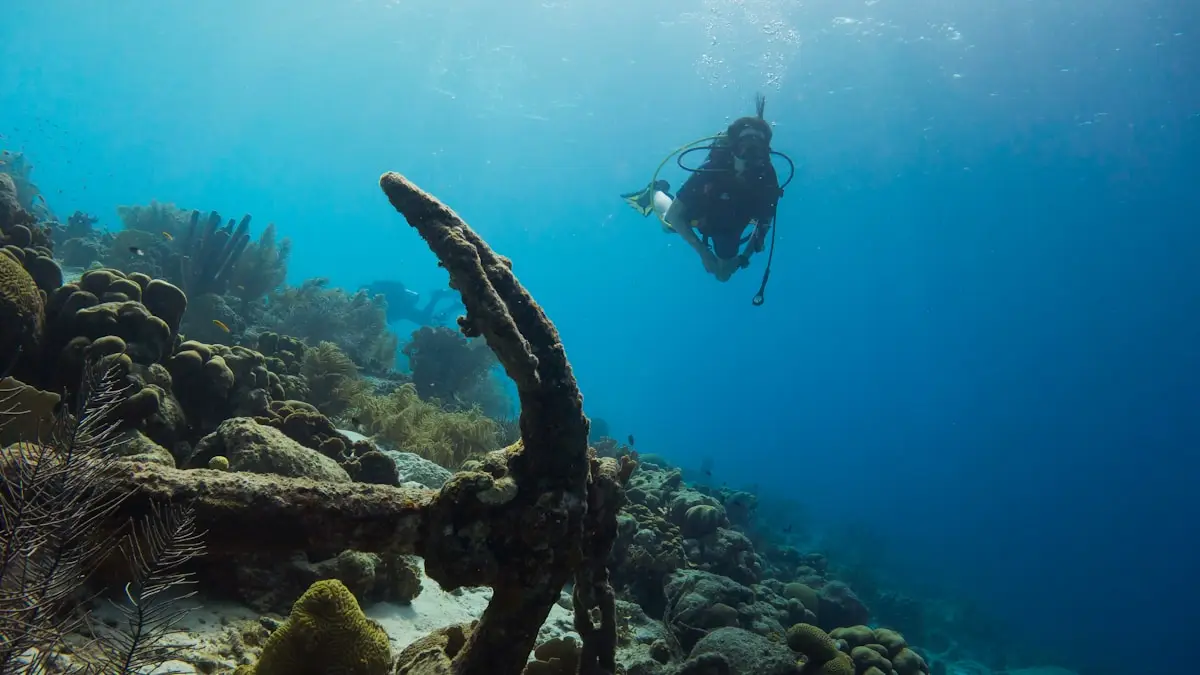
The Caribbean’s best-kept secret
About 50 miles south of Cuba’s coast, hidden between the provinces of Camagüey and Ciego de Ávila, stretches an archipelago of over 600 islands and cays that Christopher Columbus named in honor of Queen Isabella I of Castile. Today, Jardines de la Reina (Gardens of the Queen) is considered one of the most pristine marine ecosystems on the planet and the Caribbean’s most spectacular diving destination.
Since 1996, this area has functioned as a protected marine reserve, allowing its reefs, mangroves, and seagrass beds to remain in exceptional condition. It’s literally a journey to the ocean as it was before human intervention.
What makes Jardines de la Reina unique?
Sharks everywhere
What sets Jardines de la Reina apart from any other Caribbean dive destination is the sheer abundance of sharks. At sites like Pipín, Black Coral I and II, and Five Seas, it’s common to see more than 30 sharks circling simultaneously. Six different species inhabit these waters:
- Caribbean reef sharks — the most abundant and curious
- Silky sharks — elegant deep-water residents
- Lemon sharks — frequent in mangrove areas
- Blacktip sharks — agile and fast
- Hammerhead sharks — less frequent but spectacular sightings
- Nurse sharks — calm, resting on the bottom
From July to November, the season becomes even more special with the arrival of whale sharks, the gentle giants of the ocean.
Pristine reefs
As the name suggests, the Gardens of the Queen harbor a true underwater garden. Soft corals, giant sponges, and sea fans create otherworldly landscapes. The health of these reefs is unmatched anywhere in the Caribbean — a direct testament to decades of effective protection.
American crocodiles
Few dive destinations offer the chance to swim with American crocodiles (Crocodylus acutus) in their natural habitat. In the mangrove areas of Jardines de la Reina, these encounters — always guided by experts — are an experience found nowhere else on Earth.
How diving works
Currently, a single operator runs all diving in the reserve, offering five liveaboards (Avalon I, Avalon II, Halcón, La Reina, and Georgiana) and a floating hotel called Tortuga. All operate in the same zone, so the diving experience is similar regardless of which option you choose.
Basic logistics
- Departure point: Port of Júcaro, Ciego de Ávila
- Boat journey: 2.5 to 5 hours
- Typical duration: One-week packages
- Dives per day: 2-4 guided dives
- Distance to dive sites: Maximum 20 minutes from the liveaboard
Water conditions
Conditions are ideal virtually year-round:
| Aspect | Detail |
|---|---|
| Temperature | 79°F - 84°F (26-29°C) |
| Visibility | 100+ feet (30m) |
| Currents | Minimal to none |
| Best season | December - April |
For non-divers
You don’t need to be a certified diver to enjoy Jardines de la Reina. Snorkeling in these crystal-clear waters offers a spectacular window into the shallow reefs, with frequent sightings of sea turtles, rays, and schools of tropical fish.
Practical tips
- Book well in advance — Liveaboard spots are limited and sell out months ahead
- Bring your own gear — Rental is available, but your own equipment is always more comfortable
- Dive insurance — Essential; make sure it covers hyperbaric evacuation
- Total disconnection — No cell signal or internet; it’s part of the experience
- Tips — Divemasters and crew are exceptional; prepare cash tips
A treasure Cuba protects
Jardines de la Reina proves that marine conservation works. While reefs across the Caribbean suffer from climate change, overfishing, and mass tourism, this corner of Cuba remains an intact refuge. It’s a reminder of what the sea can be when given space to breathe.
For diving enthusiasts, there’s no comparable experience in the Western Hemisphere. And for Cuba, it’s proof that sustainable tourism and environmental protection can go hand in hand.
Want to explore more of Cuba’s natural wonders? Read our complete guide to the Viñales Valley and discover colonial Trinidad.
Frequently asked questions
How do you get to Jardines de la Reina?
When is the best time to dive Jardines de la Reina?
What shark species can you see?
Do you need a diving certification?
How we got here
Background
The first thing we published on this topic.
Old Havana Restoration Reaches a New Milestone
Rehabilitation work in the historic quarter reveals colonial frescoes from the 18th century.
Governments Issue Travel Warnings for Cuba Amid US Tensions
Canada, Argentina, Spain and other countries warn citizens about Cuba's crisis as Washington's oil blockade and prolonged blackouts affect the island.
Related articles

Santiago de Cuba: Birthplace of Son, Revolution and Caribbean
Complete guide to Santiago de Cuba: what to see, where to go, and how to experience Cuba's most Caribbean city. History, music, and beaches.
Cayo Coco & Cayo Guillermo: paradise beach guide for Cuba
Discover Cayo Coco and Cayo Guillermo, two jewels of the Jardines del Rey archipelago with white sand beaches and turquoise waters.
Varadero: complete guide to Cuba's most famous beach
Everything about Varadero: best beaches, hotels, excursions, practical tips and how to reach Cuba's most spectacular Caribbean peninsula.
Trinidad, Cuba: essential guide to Cuba's most beautiful city
Complete guide to Trinidad, Cuba. What to see, where to stay, casas particulares, nearby beaches and tips to explore this UNESCO gem.

The Cuban Bolero: The Music of Love Born in Santiago de Cuba
Discover the history of the Cuban bolero, from Pepe Sánchez to Olga Guillot. How this romantic genre conquered Latin America.

Camagüey: a guide to getting lost in Cuba's most beautiful maze
Discover Camagüey, Cuba's labyrinth city. A guide to its plazas, churches, tinajones, casas particulares, and tips for your visit.