Camagüey: a guide to getting lost in Cuba's most beautiful maze
Discover Camagüey, Cuba's labyrinth city. A guide to its plazas, churches, tinajones, casas particulares, and tips for your visit.
4 min read
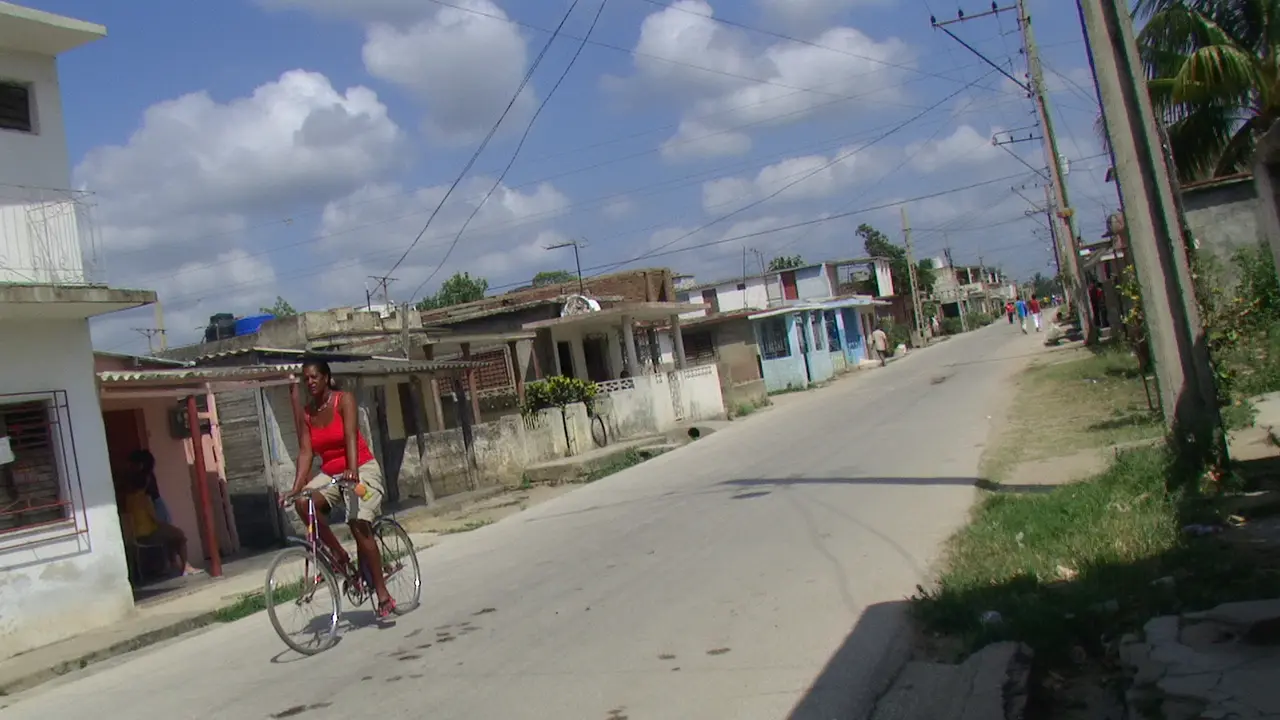
Some cities you explore with a map. Others you enjoy by getting lost. Camagüey is firmly in the second category.
With the largest historic center in Cuba — 57 hectares declared a UNESCO World Heritage Site in 2008 — this city in east-central Cuba breaks every rule of Spanish colonial urban planning. There’s no grid here. There’s a labyrinth.
A city designed to confuse pirates
Founded in 1514 as Santa María del Puerto del Príncipe, Camagüey suffered repeated pirate attacks, including Henry Morgan’s famous sack in 1668. The residents’ response was ingenious: they built streets that change direction without warning, dead-end alleys, and hidden plazas.
The result is an urban layout unique in Latin America, where getting lost isn’t an accident — it’s an invitation.
What to see in Camagüey
The plazas
Camagüey has more plazas than any other Cuban city its size:
- Plaza San Juan de Dios: the city’s crown jewel. A perfectly preserved colonial ensemble with its 18th-century church and former hospital. Perhaps the most photogenic plaza in all of Cuba.
- Plaza del Carmen: featuring life-size bronze sculptures by Martha Jiménez depicting everyday Camagüeyan scenes.
- Plaza de los Trabajadores: the city’s active heart, surrounded by historic buildings including the birthplace of Ignacio Agramonte, independence hero.
The churches
With over 15 churches in its historic center, Camagüey is Cuba’s most religious city:
- Iglesia de la Merced: baroque and majestic, with visitable catacombs beneath.
- Iglesia del Santo Cristo del Buen Viaje: with its attached cemetery and neo-Gothic details.
- Catedral de Nuestra Señora de la Candelaria: the city’s patron saint, rebuilt several times since the 16th century.
The tinajones
You can’t talk about Camagüey without mentioning its tinajones: enormous clay pots used to collect rainwater. There are over 16,000 in the city. Legend has it that anyone who drinks water from a tinajón will never leave Camagüey.
You’ll find them in courtyards, on corners, in plazas, and even on the city’s coat of arms.
Beyond the historic center
Playa Santa Lucía
About 2 hours north, Playa Santa Lucía offers 20 kilometers of white sand and one of the longest coral reefs in the Western Hemisphere. Excellent for diving and snorkeling, with the chance to hand-feed bull sharks alongside specialized guides.
Sierra de Cubitas
For nature lovers, this mountain range north of the city harbors caves with aboriginal pictographs, ecological trails, and notable endemic flora.
Where to stay
Casas particulares (private homestays) are the best option in Camagüey. The city has an excellent network of private accommodations, generally more affordable and authentic than state-run hotels. Many occupy restored colonial mansions with interior courtyards full of plants and, of course, tinajones.
The Gran Hotel downtown is the most comfortable state option, with panoramic views from its rooftop.
Getting there and around
- From Havana: Viazul bus (~9 hours, ~33 CUP) or domestic flight (~1:30h)
- From Trinidad: Viazul (~6 hours)
- In the city: walking is the best way to explore the center. Bicitaxis cover longer distances
Practical tips
- Wear comfortable shoes: colonial streets have uneven cobblestones
- Hire a local guide: in a labyrinth, someone who knows the shortcuts is worth their weight in gold
- Visit at night: the illuminated plazas have a special magic
- Try the ajiaco camagüeyano: the local version of this Cuban stew is particularly flavorful
A city that deserves more time
Camagüey is often a quick stop between Havana and Santiago. That’s a mistake. This city deserves at least two nights to wander its streets unhurried, sit in its plazas, chat with locals, and discover why they call it “the city of tinajones.”
If you’ve already explored Old Havana and the Viñales Valley, Camagüey is the next logical step on your Cuba route. A city that doesn’t reveal itself at first glance, but rewards those who dare to get lost.
Have you visited Camagüey? Did you find your way out of the labyrinth? Share your experience with us.
Frequently asked questions
Why are the streets of Camagüey like a labyrinth?
What are the tinajones of Camagüey?
When is the best time to visit Camagüey?
How do I get to Camagüey from Havana?
How we got here
Background
The first thing we published on this topic.
Old Havana Restoration Reaches a New Milestone
Rehabilitation work in the historic quarter reveals colonial frescoes from the 18th century.
Governments Issue Travel Warnings for Cuba Amid US Tensions
Canada, Argentina, Spain and other countries warn citizens about Cuba's crisis as Washington's oil blockade and prolonged blackouts affect the island.
Related articles
Cimarrones and Palenques: Slave Resistance in Cuba
The history of Cuban maroons who escaped slavery and built free communities called palenques in the mountains, forging a legacy of resistance.
Trinidad, Cuba: The Time-Frozen City That Became a UNESCO Gem
Explore Trinidad, Cuba's best-preserved colonial city and UNESCO World Heritage Site since 1988. History, architecture, music, and the Sugar Mills Valley.

Zapata Swamp: Guide to the Caribbean's Largest Wetland
Explore Cuba's Zapata Swamp — the Caribbean's largest wetland. Diving, birdwatching, Cuban crocodiles, and ecotourism in Matanzas province.
Cienfuegos: Complete Guide to Cuba's Pearl of the South
Discover Cienfuegos, Cuba's most French city. Guide to top sights, Palacio de Valle, Punta Gorda, and practical travel tips.
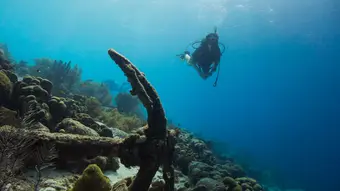
Jardines de la Reina: the Caribbean's best diving is in Cuba
Discover Jardines de la Reina, Cuba's protected archipelago with sharks, pristine reefs, and world-class diving.
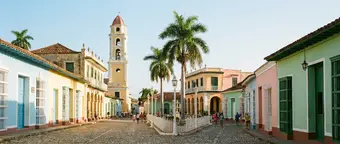
The Seven First Villas of Cuba: the Origin of a Nation
Between 1511 and 1515, Diego Velázquez founded seven villas that shaped Cuba. Discover the history of Baracoa, Bayamo, Trinidad and more.