Zapata Swamp: Guide to the Caribbean's Largest Wetland
Explore Cuba's Zapata Swamp — the Caribbean's largest wetland. Diving, birdwatching, Cuban crocodiles, and ecotourism in Matanzas province.
4 min read
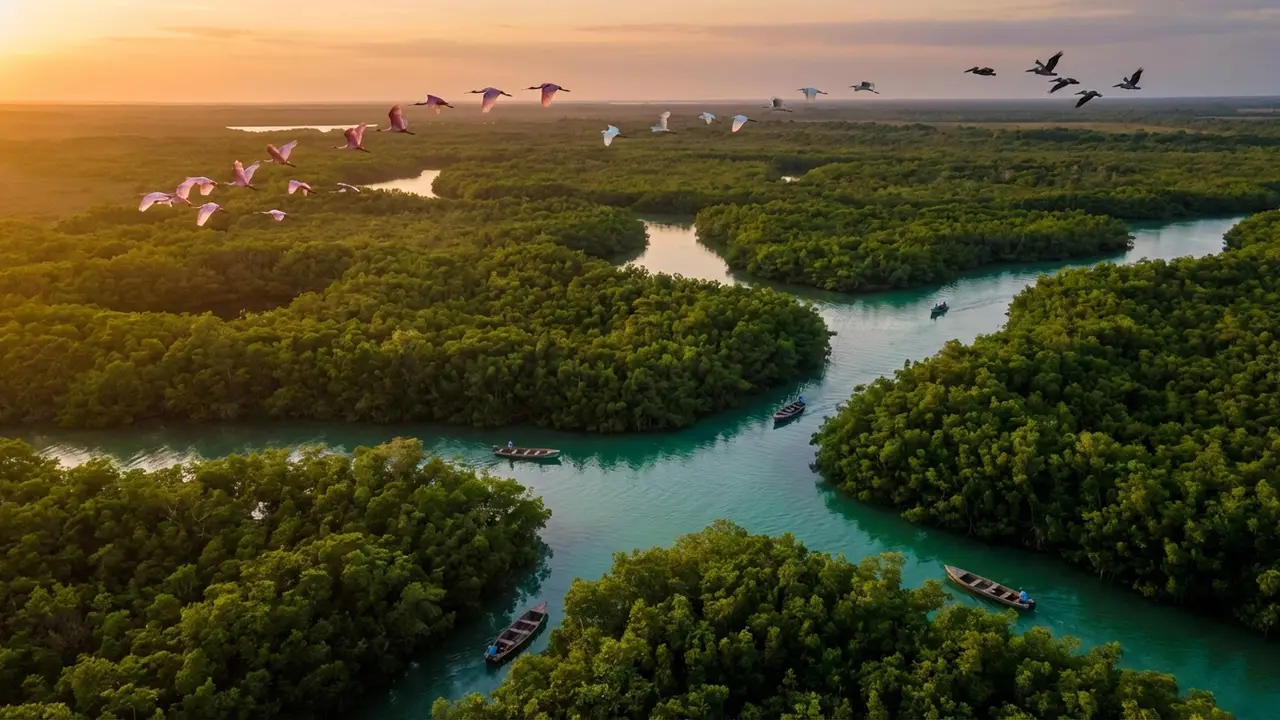
Illustration: Aroma de Cuba (AI)
The Zapata Swamp (Ciénaga de Zapata) isn’t just the largest wetland in the Caribbean — it’s one of Cuba’s most biodiverse ecosystems and an ecotourism destination that remains blissfully under the radar. Located on the southern coast of Matanzas Province, this vast expanse of mangroves, lagoons, and tropical forests covers more than 4,000 km² of virtually untouched territory.
While tourists crowd into Varadero and Havana, the Zapata Swamp offers something radically different: raw nature, silence, and encounters with species found nowhere else on Earth.
An Unmatched Ecosystem
The Zapata Swamp is a UNESCO Biosphere Reserve and a Ramsar Wetland of International Importance. Its ecological diversity is staggering:
- Over 230 bird species, including the Zapata Rail (Cyanolimnas cerverai), found exclusively in this wetland
- The Cuban crocodile (Crocodylus rhombifer), the Caribbean’s most endangered reptile
- More than 1,000 plant species, with 78 endemic to the territory
- Manatees, hutias, and manjuarí — the latter a primitive fish considered a living fossil
The variety of habitats — from coastal mangroves to semi-deciduous forests, flooded grasslands, and coral reefs — creates an ecological mosaic unique in the Western Hemisphere.
What to Do in the Zapata Swamp
World-Class Diving and Snorkeling
The Swamp’s coastal zone boasts four internationally certified dive centers and eleven dive sites. The crystal-clear waters of Playa Girón and the Bay of Pigs feature coral walls dropping vertically over 300 meters.
Top sites include:
- Punta Perdiz: shore-accessible snorkeling with abundant marine life
- Cueva de los Peces: a natural cenote 70 meters deep, connected to the sea
- Playa Girón coral wall: spectacular dives for certified divers
Birdwatching
With over 230 recorded species, the Swamp is Cuba’s premier birdwatching destination. The Bermejas and Las Salinas wildlife refuges are essential stops for spotting:
- Cuban Trogon (Cuba’s national bird)
- Bee Hummingbird (the world’s smallest bird)
- Zapata Wren (Ferminia cerverai), exclusive to this swamp
- Dozens of migratory species from November through April
Boca de Guamá Crocodile Farm
The Cuban crocodile breeding center is a must-visit. This reptile, endemic to Cuba, survives only in the Zapata Swamp and the Isle of Youth. The conservation program has successfully increased the captive population and conducts controlled releases into the wild.
Laguna del Tesoro (Treasure Lagoon)
Accessible by boat from Boca de Guamá, this freshwater lagoon is Cuba’s largest. On its islands sits the Taíno Village, a recreation of an indigenous settlement featuring life-size sculptures by Cuban artist Rita Longa.
Where to Stay
Playa Larga
The northern gateway to the Swamp. Plenty of casas particulares (private homestays) for $25-40 USD per night. Ideal for combining beach, diving, and wetland excursions.
Playa Girón
At the southern end of the Bay of Pigs. The Hotel Playa Girón, recently renovated by the Cubanacán group, now operates as all-inclusive — a new development allowing guests to combine comfort with nature excursions.
Boca de Guamá
Villa Guamá, built on islets in Laguna del Tesoro, offers a unique accommodation experience surrounded by nature.
Getting There and Around
The Swamp is 170 km from Havana (~2.5 hours) and 60 km from Varadero by road. Options:
- Rental car or taxi: the most flexible way. The road from the National Highway is in good condition
- Viazul: tourist bus service with stops at Playa Larga and Playa Girón
- Organized day trips: multiple agencies in Havana and Varadero offer excursions
Within the Swamp, many excursions require a mandatory local guide — which is actually a plus: guides are wildlife experts who know the best spots.
TURNAT 2026: The Swamp on the World Stage
In September 2026, the Zapata Swamp will host TURNAT, Cuba’s most important international event for nature tourism promotion. This fifteenth edition will spotlight the destination’s renovated attractions and new ecotourism circuits.
Practical Tips
- Sunscreen and insect repellent: essential. Mosquitoes are aggressive, especially at dawn and dusk
- Closed-toe shoes: for trails and mangrove areas
- Cash: few electronic payment options outside hotels
- Book guides in advance: especially for specialized birdwatching and diving
- Bring water and snacks: dining options are limited outside Playa Larga and Playa Girón
The Zapata Swamp is one of those places that remind you why Cuba remains unique in the world. It’s not a postcard paradise — it’s something better: a living, complex, and fascinating ecosystem waiting for those curious enough to explore it.
Frequently asked questions
When is the best time to visit the Zapata Swamp?
How do you get to the Zapata Swamp from Havana?
Can you see Cuban crocodiles in the Zapata Swamp?
What ecotourism activities does the Zapata Swamp offer?
How we got here
Background
The first thing we published on this topic.
Old Havana Restoration Reaches a New Milestone
Rehabilitation work in the historic quarter reveals colonial frescoes from the 18th century.
Governments Issue Travel Warnings for Cuba Amid US Tensions
Canada, Argentina, Spain and other countries warn citizens about Cuba's crisis as Washington's oil blockade and prolonged blackouts affect the island.
Related articles

Danzón: Cuba's National Dance Born in Matanzas in 1879
The history of Cuban danzón, from Miguel Failde's Las Alturas de Simpson to its influence on mambo and cha-cha-chá.
Camagüey: a guide to getting lost in Cuba's most beautiful maze
Discover Camagüey, Cuba's labyrinth city. A guide to its plazas, churches, tinajones, casas particulares, and tips for your visit.
Trinidad, Cuba: essential guide to Cuba's most beautiful city
Complete guide to Trinidad, Cuba. What to see, where to stay, casas particulares, nearby beaches and tips to explore this UNESCO gem.
The Seven First Villas of Cuba: the Origin of a Nation
Between 1511 and 1515, Diego Velázquez founded seven villas that shaped Cuba. Discover the history of Baracoa, Bayamo, Trinidad and more.
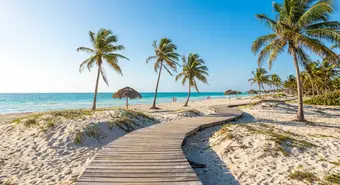
Cayo Coco & Cayo Guillermo: paradise beach guide for Cuba
Discover Cayo Coco and Cayo Guillermo, two jewels of the Jardines del Rey archipelago with white sand beaches and turquoise waters.

Direlia Lazo: The Cuban Running Latin America's Biggest Art Fair
Meet Direlia Lazo, the Havana-born curator and artistic director of Zona Maco 2026, which just welcomed 82,000 visitors to Mexico City.