ICE Cuts Cuban Arrests 40% in March: Strategy Shift or Pause?
Exclusive analysis of ICE's retreat from militarized operations after months of massive raids against Cubans in the US.
4 min read
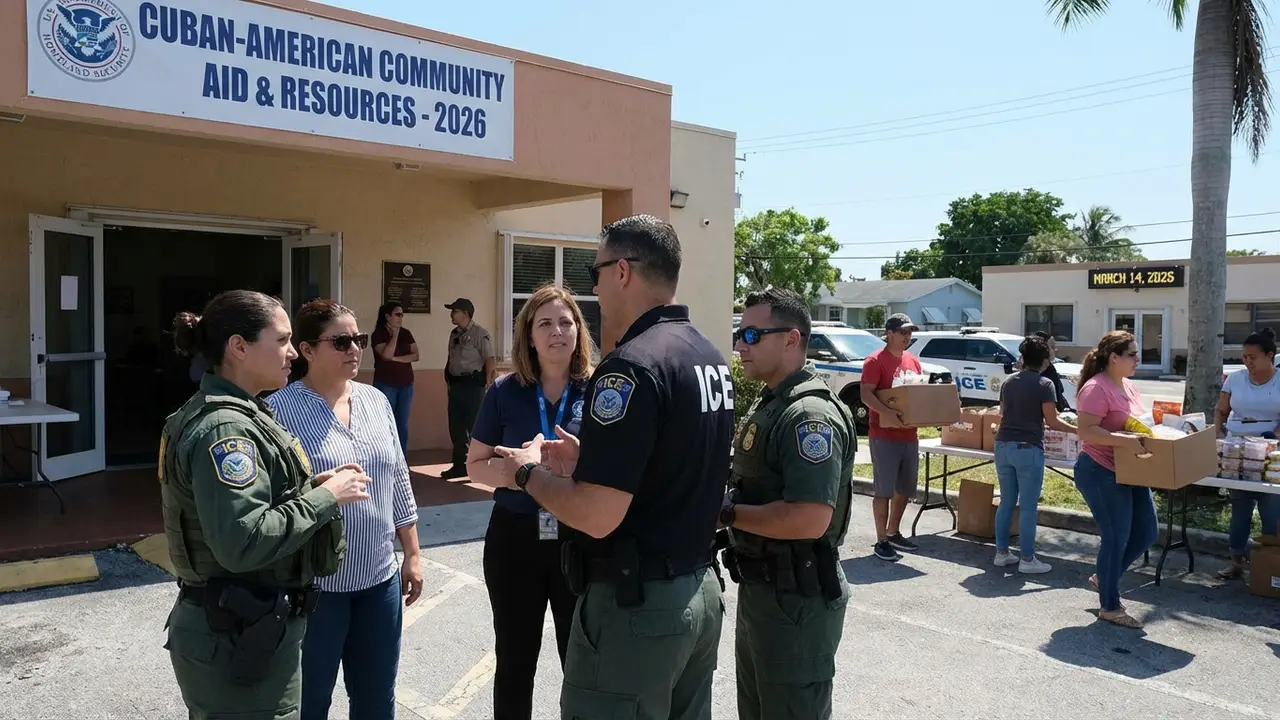
Illustration: Aroma de Cuba (AI)
Breaking: For the first time since January, ICE has significantly reduced its militarized operations against Cuban migrants, with a 40% drop in arrests during March 2026, according to internal data leaked to The New York Times.
Strategic Retreat or Tactical Pause?
After months of highly publicized, militarized raids in major American cities, the Trump administration has scaled back its deportation strategy, leading to a notable dip in arrests last month, according to three federal officials and internal government data.
This shift comes after JD Vance promised an escalation in January, announcing the deployment of over 10,000 additional ICE agents and implementing door-to-door tactics using personal data harvested by private contractors.
“We’re seeing a clear reduction in the commando-style operations that characterized January and February. We don’t know if this is temporary or represents a real change in approach,” states Lindsay Toczylowski, director of Immigrant Defenders Law Center.
Numbers Don’t Lie
Internal ICE data reveals:
- 40% fewer arrests in the first two weeks of March
- 60% reduction in militarized operations in cities like Miami, New York, and Los Angeles
- Maintenance of scheduled deportations, but new arrests limited
The Trump administration had reached record numbers with 5,169 Cubans deported through February, the highest amount in US history. However, March marks an unexpected turning point.
What’s Really Happening?
Theory 1: Internal Resistance
Sources within DHS suggest there’s internal resistance to the most aggressive tactics, especially after controversial incidents like the death of Geraldo Lunas Campos in ICE custody.
Theory 2: Judicial Pressure
The 11th Circuit ruling on I-220A and multiple habeas corpus orders have complicated ICE operations, requiring more legal oversight.
Theory 3: Efficiency vs. Spectacle
“The militarized raids generated headlines, but weren’t efficient in terms of numbers,” explains Bartlomiej Skorupa of Mobile Pathways. “Targeted arrests might be more effective without the drama.”
Impact on Cuban Community
María González, Miami
“For the first time in two months, my husband could go to work without panic. But we’re not getting our hopes up—this could change tomorrow.”
María is among the 300,000 Cubans in legal limbo after the Supreme Court allowed humanitarian parole revocation.
Lawyers Remain Cautious
Legal defenders warn against excessive optimism:
“A temporary reduction in operations doesn’t change the fundamental policy. The 300,000 Cubans with I-220A remain in danger,” warns Toczylowski.
Real Change or Political Tactic?
Possible Motivations:
- International criticism for the 340% increase in dangerous sea crossings
- Pressure from allied governments concerned about humanitarian crisis
- Operational efficiency: less visible but more targeted raids
- Growing judicial resistance at federal level
What Hasn’t Changed:
- CBP One remains a legal trap for new migrants
- Already scheduled deportations continue
- Humanitarian parole remains revoked
Analysis: Victory or Pause?
This is not a victory. Experts agree this reflects more a tactical recalibration than a fundamental policy change.
“Trump maintains maximum pressure, just adjusts the methods,” explains Karen Musalo, immigration law expert. “The threat remains intact.”
What’s Coming
Next 30 days:
- Monitoring whether the reduction is sustained or temporary
- Implementation of more targeted and less visible tactics
- Continuation of scheduled deportations
Long term:
The energy crisis in Cuba and closure of migration routes keep migration pressure intact.
FAQ
Does this mean it’s safer for Cubans in the US?
No. The reduction is temporary and tactical. The 300,000 Cubans in legal limbo remain at risk of deportation. The fundamental threat hasn’t changed.
Why did ICE reduce operations?
Multiple factors: internal resistance, judicial pressure, international criticism, and possible recalibration toward more efficient and less visible operations.
What should Cubans with I-220A do?
Stay alert, comply with all immigration obligations, document their presence in the US, and consult with specialized attorneys. This respite doesn’t eliminate the risk.
Can this change quickly?
Yes. ICE policies can be adjusted within days. This reduction could be reversed at any moment according to the administration’s political priorities.
This investigation is based on data leaked to the NYT, interviews with federal officials, and analysis by migrant rights organizations. Last updated: March 10, 2026.
Read more:
How we got here
Background
The first thing we published on this topic.
Cuba Records Second Magnitude 5 Earthquake in Three Days Near Santiago
A 5.0 magnitude tremor shook eastern Cuba, two days after a 5.6 quake in Guantánamo that damaged homes
45,000 Cubans Face Deportation Orders in the US
Some 550,000 Cubans vulnerable under Trump's immigration policies. Separated families and a community under pressure.
Related articles
ICE Intensifies Operations Against Cuban Families in March 2026
Multiple ICE arrests targeting Cubans reveal an intensified strategy that separates families and spreads panic through the community in March 2026.

US Deports 117 Cubans to Havana: 2026 Total Reaches 427
A deportation flight returned 117 Cuban migrants to Havana on March 19th, bringing the 2026 total to 427 people across nine operations.

ICE Deports 117 Cubans: 2026 Total Reaches Historic Levels
The United States deported 117 Cuban migrants on March 19, raising the total deportations in 2026 to 427 people across nine flights from various countries.

Record 403 Cubans Deported in 2026: Trump Figures Alarm Community
ICE has deported 403 Cubans in three flights through March 2026. The unprecedented escalation under Trump divides families and sparks panic.
Supreme Court Lifts Protection: 532,000 Cubans Defenseless
Supreme Court stays federal judge's order that blocked humanitarian parole revocation, exposing thousands of Cubans to immediate deportation risk
Supreme Court restricts asylum: blow to Cubans with I-220A
Unanimous March 7 decision limits federal court reviews of asylum cases, affecting thousands of Cubans with I-220A in appeals.