Cuban National Ballet: The School Alicia Alonso Gave the World
The history of Cuba's Ballet Nacional, founded by Alicia Alonso in 1948. From the Gran Teatro de La Habana to the world's greatest stages.
5 min read
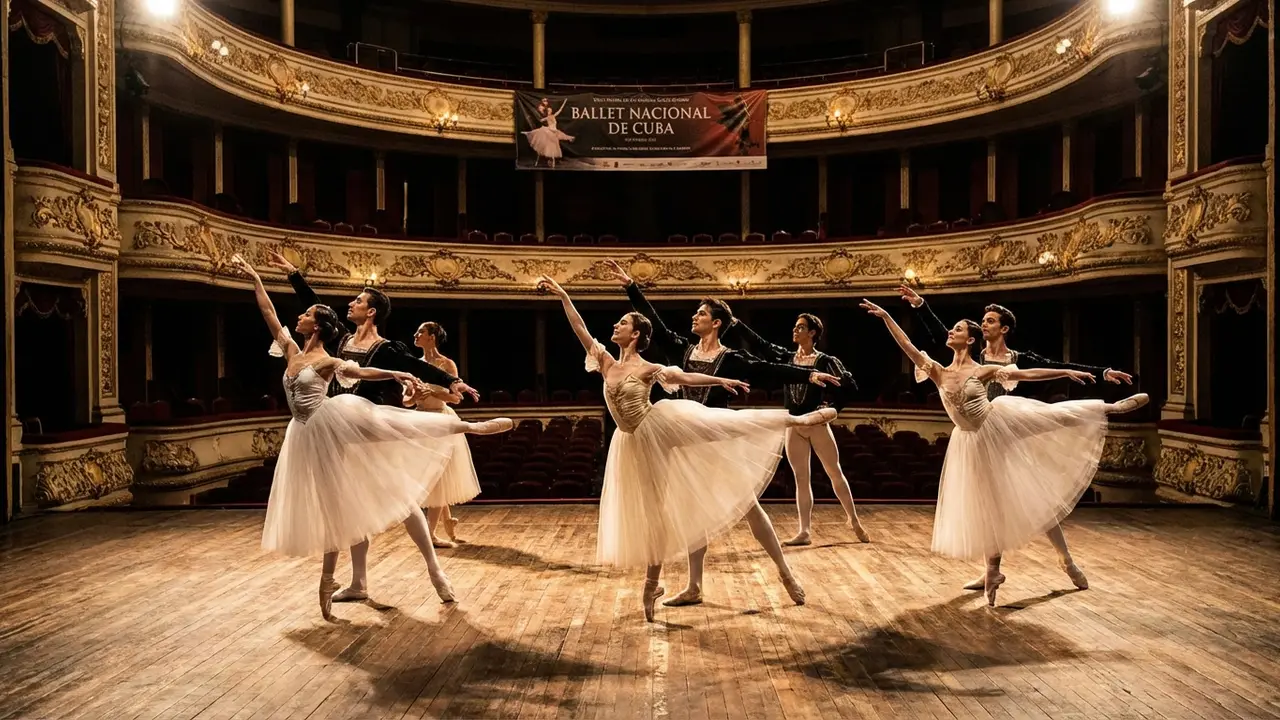
Illustration: Aroma de Cuba (AI)
In a country where music flows from every street corner and rhythm runs through everyone’s veins, Cuba achieved something few thought possible: building one of the most important classical ballet schools on the planet. The story of the Cuban National Ballet is, above all, the story of an extraordinary woman who danced nearly blind and transformed a Caribbean island into a world power of dance.
The beginning: a dancer and a dream
Alicia Ernestina de la Caridad del Cobre Martínez del Hoyo — known to the world as Alicia Alonso — was born in Havana on December 21, 1920. She began dancing as a child and at 16 moved to New York City with her husband Fernando Alonso to pursue her professional dreams.
At 19, a detached retina left her partially blind. She spent a year immobilized in bed, mentally learning classical ballet roles while Fernando taught her choreography using their fingers. “I danced in my mind,” she would later recall. “Blinded, motionless, flat on my back, I taught myself to dance Giselle.”
In 1943, she was called as an emergency replacement for prima ballerina Alicia Markova at the American Ballet Theatre. Her performance of Giselle was so extraordinary that critics instantly declared her a star. That role would become her artistic signature for decades.
1948: Ballet Alicia Alonso is born
On October 28, 1948, Alicia, Fernando, and Alberto Alonso founded Ballet Alicia Alonso in Havana. It was a bold gamble: creating a world-class classical ballet company in the Caribbean, with no tradition or infrastructure to support it.
The early years were a constant struggle. The government refused to fund the company. Alonso used her own earnings from international tours to keep the venture alive. In 1950, she founded the Ballet Academy to train new generations of Cuban dancers.
The Revolution and the takeoff
Everything changed with the Revolution in 1959. Fidel Castro declared the arts accessible to all and granted state funding to the company, which was renamed Ballet Nacional de Cuba (BNC). Suddenly, ballet went from an elite luxury to a core part of national identity.
With unprecedented resources, the BNC grew to rival Europe’s great companies. The National Ballet School became a talent factory, producing dancers coveted by companies worldwide.
The Cuban school: a style of its own
What Alicia Alonso created was more than a company — it was a style. The Cuban school of ballet combines:
- Rigorous classical technique inherited from Russian, Italian, and French traditions
- Dramatic expressiveness infused with Latin passion and temperament
- Exceptional musicality, natural in a people surrounded by rhythm
- Athleticism and bravura that distinguish Cuban dancers on any stage
This pedagogical method earned international recognition as one of the four great ballet styles in the world, alongside the Russian, French, and Danish schools.
The Gran Teatro de La Habana
The BNC’s home is the magnificent Gran Teatro de La Habana Alicia Alonso, located on Paseo del Prado at the corner of San Rafael. Inaugurated in 1915 as Centro Gallego, this neo-baroque building is one of Havana’s architectural jewels and one of the largest theaters in Latin America.
Renamed in honor of its founder, the Gran Teatro has witnessed legendary moments: from young dancers’ debuts to standing ovations for Alonso in her final performances.
Exporting talent to the world
The paradox of Cuba’s success is that many of its finest dancers end up shining abroad. Names like Carlos Acosta (Royal Ballet, London), José Manuel Carreño (American Ballet Theatre), and more recently Patricio Revé (named Principal at the Royal Ballet in 2026) demonstrate the quality of Cuban training.
This ballet diaspora, while painful for the company, has spread the influence of Alonso’s school across the entire planet.
Viengsay Valdés: the legacy continues
After Alicia Alonso’s passing in October 2019 at age 98, leadership of the BNC passed to Viengsay Valdés, a prima ballerina trained entirely in the Cuban school. Valdés faces the enormous challenge of keeping a legendary company alive amid Cuba’s deep economic crisis.
Despite the difficulties — scarce resources, dancer emigration, deteriorating infrastructure — the BNC continues to produce world-class artists and performs at the International Ballet Festival of Havana, founded by Alonso in 1960.
A legacy that transcends dance
The story of the Cuban National Ballet is Cuba’s story itself: outsized ambition, natural talent, resilience in the face of adversity, and a unique ability to create beauty with limited resources. Alicia Alonso proved that a nearly blind ballerina could conquer the world’s stages, and that a small Caribbean island could compete with centuries of European tradition.
Like Cuban son or rumba, Cuban ballet is a gift from Cuba to the world — proof that greatness knows no geography or limitations.
The zunzún doesn’t understand size. Neither did Alicia Alonso understand impossibility. 🌺
Frequently asked questions
Who founded the Cuban National Ballet?
What is the Cuban school of ballet?
Who currently directs the Cuban National Ballet?
Where does the Cuban National Ballet perform?
How we got here
Background
The first thing we published on this topic.
Cuban Music Conquers the Latin Grammys
Cuban artists sweep the ceremony with awards in multiple tropical music categories.
Old Havana Restoration Reaches a New Milestone
Rehabilitation work in the historic quarter reveals colonial frescoes from the 18th century.
Related articles

Tropicana: The Paradise Under the Stars That Dazzled the World
The history of Havana's Tropicana cabaret from 1939 to today. Architecture, shows, and its enduring Cuban cultural legacy.
Cuban Poster Art: The Graphic Design Movement That Changed the World
The history of Cuban cartelismo, from ICAIC film posters to OSPAAAL solidarity art. How Cuba created a revolutionary graphic design language.
Benny Moré: The Wildman of Rhythm Who Defined Cuban Music
Life and legacy of Benny Moré, Cuba's greatest singer. From the sugarcane fields of Lajas to conquering Havana and Mexico with his unique voice.
Wifredo Lam: The Cuban Painter Who Fused Africa and Surrealism
Discover Wifredo Lam, the Cuban artist who revolutionized art by merging surrealism, cubism, and Afro-Cuban spirituality.
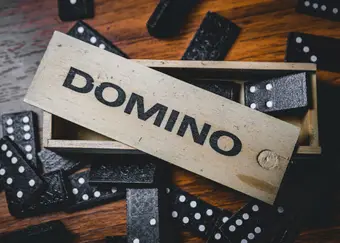
Cuban Dominoes: History, Rules and Cuba's National Game
Discover Cuban double-nine dominoes, the only domino variant exclusive to Cuba. History, rules, slang, and where to buy your set.

Cuban Sugar: History, Harvest, and the Legacy of White Gold
Discover the history of Cuban sugar, from colonial mills to AZCUBA's current crisis. Complete guide to Cuba's most iconic product and its global impact.