Cuban Sugar: History, Harvest, and the Legacy of White Gold
Discover the history of Cuban sugar, from colonial mills to AZCUBA's current crisis. Complete guide to Cuba's most iconic product and its global impact.
6 min read
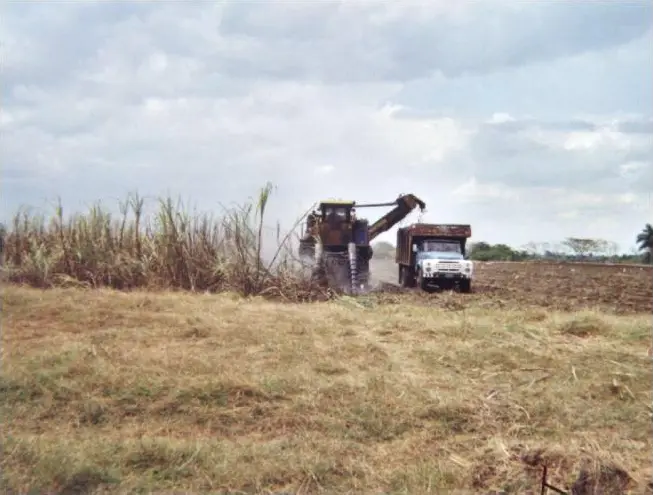
The product that defined Cuba
If one product shaped Cuba’s destiny more than any other, it was sugar. For nearly three centuries, the island was synonymous with sugarcane: its economy, demographics, landscape, and even culture were molded by this “white gold” that sweetened the entire world.
Today, Cuba’s sugar industry is experiencing its worst crisis in over a century. But to understand the present, you need to know the history of the product that made Cuba one of the wealthiest colonies in the Caribbean.
History: from colonial mills to sugar empire
The origins (16th-18th centuries)
Spain introduced sugarcane to Cuba in 1523, but production remained modest for two centuries. Everything changed with the Haitian Revolution of 1791: the destruction of Saint-Domingue’s plantations—then the world’s largest sugar producer—opened an opportunity that Cuban landowners seized brilliantly.
Production jumped from 14,000 tons in 1790 to over 34,000 by 1805. Cuba opened to free trade with all nations in 1818, beginning an intense commercial relationship with the United States that would last more than a century.
The sugar boom (19th century)
Between 1820 and 1895, Cuban production grew from 55,000 tons to nearly one million. Holding 15% of the world market, Cuba was the planet’s leading producer of raw sugar.
The ingenios (sugar mills) transformed the Cuban landscape. Matanzas became the sugar province par excellence, and the demand for labor drove the massive importation of African slaves—a legacy that profoundly shaped Cuban culture, from music to gastronomy.
The republic and American dominance (1902-1959)
After independence in 1902, American capital flooded the sugar industry. Production surpassed 5 million tons by 1925. Cuba exported up to 90% of its output, primarily to the United States.
The “Dance of the Millions” in 1920—a speculative bubble in sugar prices—ended in disaster when prices collapsed, and American banks took control of many Cuban mills.
The revolutionary era: glory and decline
The 10-million-ton harvest (1970)
Fidel Castro launched the most ambitious goal in sugar history in 1970: produce 10 million tons. The entire nation was mobilized—students, soldiers, volunteers—in a titanic effort that paralyzed the rest of the economy.
The result: 8.5 million tons, a historic record but a political failure for missing the target. Castro publicly acknowledged the mistake of concentrating all resources on a single goal.
The Soviet lifeline
The Soviet Union became the lifeline of Cuba’s sugar industry. From 1964, it purchased Cuban sugar at prices far above the world market—at times paying double the international rate. In exchange, Cuba received oil, machinery, and goods it couldn’t produce.
This arrangement artificially sustained an industry producing between 6 and 8 million tons annually throughout the 1970s and 80s.
The Special Period and collapse
The fall of the USSR in 1991 was devastating. Without a guaranteed market, without spare parts for Soviet and American machinery (due to the embargo), without fuel, and without fertilizers, production plummeted.
In 2002, the government executed the Tarea Álvaro Reinoso: it closed over 100 of the 156 existing mills and converted sugarcane land to other crops. It was the official recognition that the era of sugar as an economic engine had ended.
The current situation: AZCUBA and the crisis
The state company AZCUBA, created in 2011 to replace the former Ministry of Sugar, has been unable to reverse the trend. The numbers speak for themselves:
| Period | Annual production |
|---|---|
| 1970s | 6-8 million tons |
| 1990s | 3-4 million tons |
| 2010s | 1-1.5 million tons |
| 2024-2025 | Less than 300,000 tons |
In 2025, Cuba recorded its lowest production since the 19th century, failing to reach even the 265,000 tons planned by AZCUBA. The energy crisis has forced the postponement of the 2025-2026 zafra in several provinces.
Cuba, which once sweetened the world, now imports sugar to meet domestic consumption.
Sugar in Cuban culture
Beyond economics, sugar left an indelible mark on Cuban identity:
- Guarapo: fresh sugarcane juice, pressed in trapiches (cane mills), remains one of the island’s most beloved beverages
- Cuban rum: without sugarcane, there would be no rum—perhaps Cuba’s most famous product worldwide
- Music: the songs of cane cutters influenced genres like son and rumba
- Language: words like zafra (harvest), guarapo (cane juice), trapiche (mill), batey (mill village), and central (sugar factory) are part of everyday Cuban Spanish
- Demographics: the sugar industry was the primary reason for the importation of African slaves and, later, Chinese and Caribbean workers, creating the cultural mix that defines Cuba
Types of Cuban sugar
Cuba produced several types of sugar:
- Raw sugar (mascabado): dark brown, unrefined, high in molasses content. This was the main export product
- Refined sugar: white, processed, for domestic consumption
- Turbinado sugar: partially refined, golden-colored
- Molasses: a byproduct used in rum production and industrial alcohol
- Raspadura (panela): artisanal solidified sugar, consumed in rural areas
Is there a future for Cuban sugar?
Some experts suggest Cuba could partially revive its sugar industry by focusing on:
- Organic sugar: Cuba, by necessity more than choice, uses few chemicals in its fields. This could become an advantage in the premium organic market
- Derivatives: alcohol, biofuels, electricity from bagasse (biomass)
- Tourism: former mills like Central Australia in Matanzas or the Valley of the Sugar Mills in Trinidad (UNESCO World Heritage Site) attract visitors interested in sugar history
But the reality is that without massive investment in infrastructure, machinery, and logistics, a return to historical levels is virtually impossible.
Where to find Cuban sugar today
Cuban raw sugar is still exported in small quantities, primarily to:
- China: the current main buyer
- Europe: through international brokers
- Algeria and other countries: historical buyers
For Cubans abroad, the taste of azúcar prieta (raw sugar) evokes childhood memories—of Cuban coffee sweetened generously and desserts loaded with sugar.
Cuban sugar is more than a product: it’s the thread connecting centuries of history, from colonial mills to diaspora kitchens. Though the industry languishes, its legacy lives on in every cup of coffee, every sip of rum, and every note of son cubano. 🌾
Frequently asked questions
How much sugar did Cuba produce at its peak?
Why did Cuba's sugar industry collapse?
What is the Cuban zafra?
How many sugar mills still operate in Cuba?
How we got here
Background
The first thing we published on this topic.
Old Havana Restoration Reaches a New Milestone
Rehabilitation work in the historic quarter reveals colonial frescoes from the 18th century.
Governments Issue Travel Warnings for Cuba Amid US Tensions
Canada, Argentina, Spain and other countries warn citizens about Cuba's crisis as Washington's oil blockade and prolonged blackouts affect the island.
Related articles

EGREM and Cuban Music Labels: Guide to Cuba's Musical Catalog
Discover EGREM, Areíto and Cuban record labels. History, iconic artists, recording studios and where to buy Cuban music on vinyl and digital.
Cuban Musical Instruments: Bongos, Congas, Tres and Claves Guide
Complete guide to Cuban musical instruments: bongos, congas, tres cubano, claves, maracas and timbales. History, sounds and where to buy.
Cuban Musical Instruments: Claves, Bongos, Congas and the Tres
Discover Cuba's traditional instruments: claves, bongos, tumbadoras, maracas and the Cuban tres. History, craftsmanship and where to buy them.
Cuban Dominoes: History, Rules and Cuba's National Game
Discover Cuban double-nine dominoes, the only domino variant exclusive to Cuba. History, rules, slang, and where to buy your set.

Tropicana: The Paradise Under the Stars That Dazzled the World
The history of Havana's Tropicana cabaret from 1939 to today. Architecture, shows, and its enduring Cuban cultural legacy.

Cuban Hip-Hop: From Alamar to the World, Cuba's Rap Revolution
The history of Cuban hip-hop from Alamar to today. How rap became the voice of a generation during Cuba's Special Period crisis.