EGREM and Cuban Music Labels: Guide to Cuba's Musical Catalog
Discover EGREM, Areíto and Cuban record labels. History, iconic artists, recording studios and where to buy Cuban music on vinyl and digital.
5 min read

EGREM and Cuban Music Labels: Complete Guide to the Island’s Musical Catalog
Cuba has gifted the world some of its most influential musical genres: son cubano, mambo, cha-cha-chá, bolero, nueva trova, and timba. Behind these legendary recordings are record labels that preserved and spread this sonic heritage. The most important of all is EGREM, the guardian of Cuba’s most extensive musical catalog.
EGREM: Cuba’s National Record Label
History and founding
The Empresa de Grabaciones y Ediciones Musicales (EGREM) was founded in 1964, following the nationalization of Cuba’s music industry. It absorbed the assets of Panart, Cuba’s first independent record label founded in 1944 by Ramón Sabat.
From its headquarters at Calle San Miguel No. 410, Centro Habana, EGREM maintained a monopoly on Cuban music production for over two decades, until the late 1980s when independent labels began to reemerge.
“EGREM holds the most extensive catalog of Cuban music in the world” — a sound library spanning from the 1940s to the present day.
Estudios Areíto: Where the magic was born
The Estudios Areíto (101 and 102) are EGREM’s beating heart. Located in Havana, these studios have recorded virtually every Cuban artist who remained on the island, from Orquesta Aragón to Rubén González.
Until 1996, all recordings from the Havana studios were released under the Areíto sub-label, a name that has become synonymous with classic Cuban music.
Iconic EGREM artists
EGREM’s catalog includes recordings from giants of Cuban music:
- Bola de Nieve — Piano and vocal genius
- Orquesta Aragón — Masters of cha-cha-chá
- Joseíto Fernández — Creator of Guantanamera
- Elena Burke — La Señora Sentimiento (The Lady of Feeling)
- Barbarito Díez — Voice of the Cuban danzón
- Adalberto Álvarez y su Son — The Gentleman of Son
- Rubén González — Legendary pianist of the Buena Vista Social Club
- Estrellas de Areíto — The Cuban supergroup of the 1970s
Other Cuban Labels and Sub-Labels
Siboney (Santiago de Cuba)
Active from the early 1980s to 1996, the Siboney sub-label released recordings made at EGREM’s studios in Santiago de Cuba, the capital of son music. Its catalogs include essential eastern Cuban music.
Palma and Guamá (international distribution)
In the 1960s, EGREM created Palma to distribute Cuban records internationally. In the 1970s, it was replaced by Guamá, which marketed Cuban music around the world for decades.
Bis Music
One of the most important independent labels that emerged after EGREM’s monopoly ended. It has recorded contemporary timba, Cuban jazz, and fusion artists.
Panart: The pioneer
Before EGREM, there was Panart (1944), founded by Ramón Sabat. It was the first label to record Cuban artists on the island with modern technology. Its legacy was absorbed by EGREM after the revolution.
The Buena Vista Social Club Phenomenon
No history of Cuban discography would be complete without mentioning the album that revolutionized global perception of Cuban music. Recorded in 1996 at the Estudios Areíto by British label World Circuit Records, Buena Vista Social Club sold millions of copies and won a Grammy.
Producer Ry Cooder brought together veterans like Ibrahim Ferrer, Compay Segundo, Omara Portuondo, and Rubén González — many of them EGREM artists who had been forgotten. The album proved the incalculable value of Cuba’s musical catalog.
Where to Buy Cuban Music
Physical vinyl and CDs
- Seriosha’s Record Shop — Centro Habana, a time capsule of Cuban music
- Puchito’s Shop — Calle Cuba No. 568, Old Havana
- Discogs — Over 1,500 EGREM releases available
- eBay — Original Areíto and EGREM vinyl records
Digital distribution
Since September 2015, Sony Music has distributed EGREM’s catalog internationally, making this musical treasure available on Spotify, Apple Music, Amazon Music, and other digital platforms.
Cuban Vinyl as Collector’s Items
Original Areíto and EGREM records have become highly sought-after collector’s pieces. What makes them special:
- Artistic covers designed by Cuban graphic artists
- Limited pressings due to material scarcity in Cuba
- Analog sound recorded at the legendary Estudios Areíto
- Historical value: they document musical genres unique to the world
An original vinyl of Estrellas de Areíto or Bola de Nieve in good condition can fetch $50-200 USD on the collector’s market.
Casas de la Música
EGREM doesn’t just record music — it presents it live. The Casas de la Música are venues managed by EGREM in several Cuban cities where label artists perform. The most famous are in:
- Centro Habana (Galiano corner of Neptuno)
- Miramar (Calle 20 corner of 35)
- Santiago de Cuba
- Trinidad
They’re the ideal place to experience live Cuban music, from traditional son to modern timba.
The Future of Cuban Discography
The EGREM-Sony Music alliance opened new doors for Cuban music in the global market. At the same time, a new generation of Cuban artists is creating music that fuses tradition with contemporary sounds, recording both in EGREM studios and independent facilities inside and outside the island.
The worldwide vinyl revival has also benefited EGREM’s catalog, with reissues of classic recordings finding new audiences among young collectors fascinated by Cuba’s authentic sound.
Interested in Cuban music? Also read about Cuban musical instruments and the history of Cuban coffee, another emblematic product of the island.
Frequently asked questions
What is EGREM and why is it important for Cuban music?
Where can I buy original Cuban vinyl records?
What are the most important Cuban record labels?
What recording studios does EGREM have in Cuba?
How we got here
Background
The first thing we published on this topic.
Cuban Music Conquers the Latin Grammys
Cuban artists sweep the ceremony with awards in multiple tropical music categories.
Son Cubano: The Rhythm That Conquered the World
From the mountains of Oriente to Broadway stages. History, instruments, and legends of the musical genre that defines Cuba.
Related articles

Cuban Sugar: History, Harvest, and the Legacy of White Gold
Discover the history of Cuban sugar, from colonial mills to AZCUBA's current crisis. Complete guide to Cuba's most iconic product and its global impact.
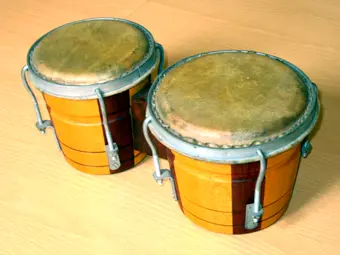
Cuban Musical Instruments: Bongos, Congas, Tres and Claves Guide
Complete guide to Cuban musical instruments: bongos, congas, tres cubano, claves, maracas and timbales. History, sounds and where to buy.
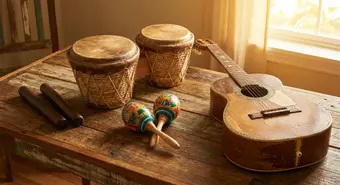
Cuban Musical Instruments: Claves, Bongos, Congas and the Tres
Discover Cuba's traditional instruments: claves, bongos, tumbadoras, maracas and the Cuban tres. History, craftsmanship and where to buy them.

Cuban Dominoes: History, Rules and Cuba's National Game
Discover Cuban double-nine dominoes, the only domino variant exclusive to Cuba. History, rules, slang, and where to buy your set.

Bad Bunny at Super Bowl LX: Cuba Present on the World's Biggest Stage
Bad Bunny included the Cuban flag in Super Bowl LX, moving Cubans amid crisis. Analysis of the most Latino halftime show in history.

Tropicana: The Paradise Under the Stars That Dazzled the World
The history of Havana's Tropicana cabaret from 1939 to today. Architecture, shows, and its enduring Cuban cultural legacy.