Bad Bunny at Super Bowl LX: Cuba Present on the World's Biggest Stage
Bad Bunny included the Cuban flag in Super Bowl LX, moving Cubans amid crisis. Analysis of the most Latino halftime show in history.
4 min read
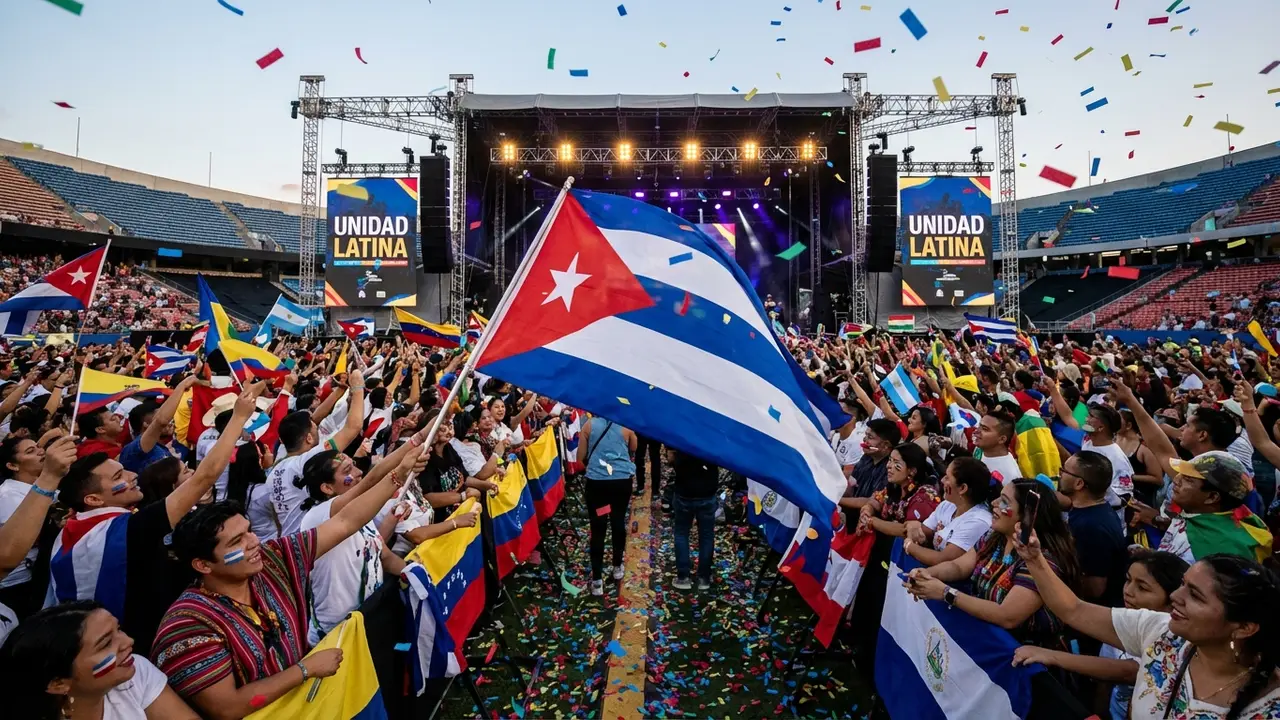
Illustration: Aroma de Cuba (AI)
The Cuban flag on the world’s biggest stage
On February 8, 2026, something unexpected happened at Levi’s Stadium in Santa Clara, California. As 70,000 people watched live and over 120 million tuned in on television, Bad Bunny closed his historic Super Bowl LX halftime show with a parade of Latin American flags.
Among them, the Cuban flag.
For millions of Cubans — on the island and in the diaspora — that moment was far more than a decorative gesture. It was a public embrace at a time of profound crisis.
A show entirely in Spanish
Bad Bunny made history as the first artist to deliver a Super Bowl halftime show sung almost entirely in Spanish. For 13 minutes, he transformed the football field into a tribute to Latin culture:
- A sugar cane field parted to reveal dancers in traditional pava hats
- Pedro Pascal, Cardi B, and Jessica Alba appeared dancing in a house party scene
- A live wedding ceremony took place during Titi Me Preguntó
- Lady Gaga and Ricky Martin made special appearances
- The final number, Debí Tirar Más Fotos, culminated with the flag parade
All of this came just one week after his album Debí Tirar Más Fotos became the first Spanish-language record to win the Grammy for Album of the Year, where he also spoke out against ICE raids.
Cuba presente: what the gesture meant
“Bad Bunny symbolizes hope for the Latino community in a deeply divided time,” Claudia Ruiz, a Cuban-American from Modesto, California, told Al Jazeera. “He represents unity in a rich, cultural, family-centered, and joyful way that restores pride.”
The timing couldn’t have been more significant. Cuba is enduring its worst fuel crisis in decades, with flights canceled, the Havana Book Fair postponed, and an economy that shrank 5% in 2025. Seeing the Cuban flag wave on the most-watched stage on the planet was, for many, a small but powerful reminder: Cuba is still here.
On social media, the reaction was immediate. Thousands of Cubans shared screenshots of the moment, with messages ranging from nostalgia to gratitude. “We’re not savages, we’re not animals, we’re not aliens. We are humans, and we are Americans,” Bad Bunny had said at the Grammys — words that resonated with particular force in the Cuban community.
The political backlash
The show was not without controversy. President Donald Trump called it “the worst performance ever” and “a slap in the face to our country” on Truth Social, criticizing that it was in a “foreign language.”
His supporters organized the “All-American Halftime Show” as an alternative, presented by the conservative organization Turning Point USA featuring country music artists.
But the Latino response was emphatic. The show became the most talked-about moment of the night, not just for its visual spectacle but for its implicit message: Latin culture doesn’t ask permission to exist in the United States.
Bad Bunny and the Caribbean connection
Though Puerto Rican, Bad Bunny has repeatedly demonstrated his connection to the entire Caribbean region. His music incorporates elements of Cuban son, rumba, and salsa — genres born largely from the fusion of Cuban and Puerto Rican musicians in New York.
The album Debí Tirar Más Fotos is a tribute to Puerto Rican identity, but its themes — migration, identity, cultural pride, resistance — are profoundly shared by Cubans.
As The Globe and Mail noted, the final flag parade was “an all-Americas salute,” featuring Cuba, Colombia, Bolivia, Mexico, Nicaragua, Puerto Rico, Canada, and the United States.
A moment for history
Bad Bunny’s Super Bowl LX wasn’t just a music show. It was a cultural statement at a time when Latino identity is under political attack in the United States and Cuban culture is fighting to survive an unprecedented crisis.
For Cubans, seeing their flag on that stage was a reminder of something we already know but sometimes need to hear: our culture is enormous, and the world knows it.
Small gesture, big meaning. Like the zunzún, small things can be the most powerful. 🌺
Frequently asked questions
Did Bad Bunny mention Cuba at the 2026 Super Bowl?
Why was Bad Bunny's Super Bowl show historic?
How did Cubans react to Bad Bunny's gesture?
What did Trump say about Bad Bunny's show?
How we got here
Background
The first thing we published on this topic.
Cuban Music Conquers the Latin Grammys
Cuban artists sweep the ceremony with awards in multiple tropical music categories.
Son Cubano: The Rhythm That Conquered the World
From the mountains of Oriente to Broadway stages. History, instruments, and legends of the musical genre that defines Cuba.
Related articles
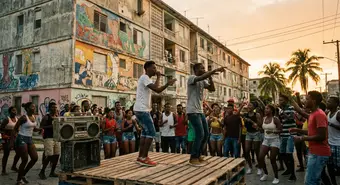
Cuban Hip-Hop: From Alamar to the World, Cuba's Rap Revolution
The history of Cuban hip-hop from Alamar to today. How rap became the voice of a generation during Cuba's Special Period crisis.
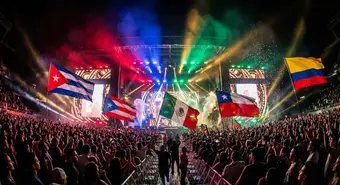
Bad Bunny Names Cuba at Super Bowl: We Are All Americans
The Puerto Rican superstar mentioned Cuba alongside every nation in the Americas during his Super Bowl LX halftime show, moving Cubans worldwide.
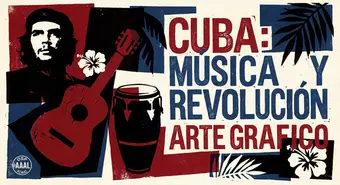
Cuban Poster Art: The Graphic Design Movement That Changed the World
The history of Cuban cartelismo, from ICAIC film posters to OSPAAAL solidarity art. How Cuba created a revolutionary graphic design language.
Cuban Santería: The Religion of the Orishas and Its Power
Discover Cuban Santería, its orishas, rituals, the 2026 Letra del Año prophecy, and how this Afro-Cuban religion thrives today.

EGREM and Cuban Music Labels: Guide to Cuba's Musical Catalog
Discover EGREM, Areíto and Cuban record labels. History, iconic artists, recording studios and where to buy Cuban music on vinyl and digital.
José Martí: Cuba's Apostle Who Built a Nation Through Poetry
Life and legacy of José Martí, Cuban national hero, modernist poet, and independence leader. From prison to the Versos sencillos.