Cuban Dominoes: History, Rules and Cuba's National Game
Discover Cuban double-nine dominoes, the only domino variant exclusive to Cuba. History, rules, slang, and where to buy your set.
6 min read
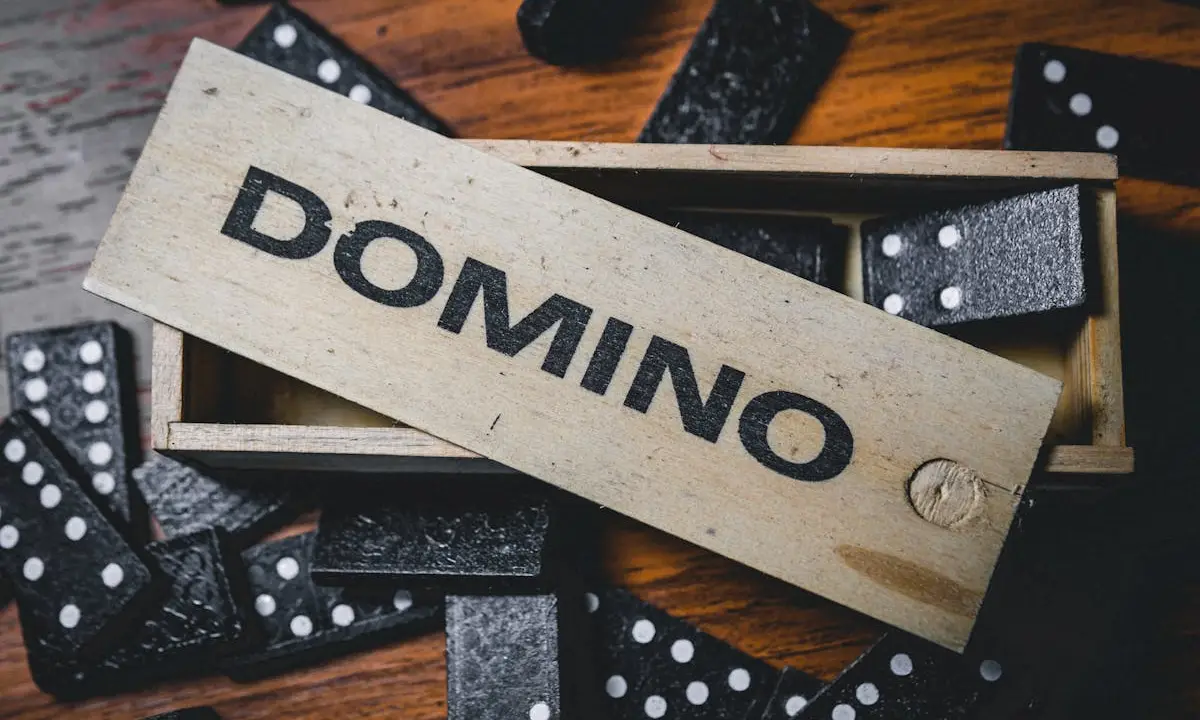
The Game That Defines Cuban Afternoons
There’s a saying in Cuba: “No hay sábado sin sol, ni fiesta cubana sin dominó” — there’s no Saturday without sun, and no Cuban party without dominoes. Walk through any neighborhood in Havana, Santiago, or Trinidad and you’ll find it: a makeshift table, four chairs, and the unmistakable crack of tiles hitting wood.
Cuban dominoes isn’t just a board game. It’s a social institution, a neighborhood ritual, and one of the island’s most deeply rooted traditions. Along with Cuban coffee and music, dominoes is part of Cuba’s cultural DNA.
History: From China to Cuban Street Corners
Dominoes has ancient roots. Most historians agree the first tiles appeared in China around the 12th century, derived from six-sided dice brought from India. Italians introduced the game to Europe in the 18th century, where its name — likely from French, evoking the black-and-white of Dominican monk habits — quickly spread.
How did it reach Cuba? There’s no definitive answer. It may have arrived from Spain during the colonial era, from Italy through Mediterranean trade, or even from the United States. What is certain is that Cuba adopted it, transformed it, and made it entirely its own.
Unlike the rest of the world, Cubans weren’t satisfied with the standard 28-tile game. In western and central Cuba — including Havana — a unique variant emerged: double nine.
Double Nine: A Variant Exclusive to Cuba
Here’s what makes Cuban dominoes truly special: Cuba is the only country in the world that plays double nine as its national standard. This variant doesn’t exist in any international championship.
The Tiles
| Feature | Double Nine (Cuban) | Double Six (International) |
|---|---|---|
| Total tiles | 55 | 28 |
| Maximum value | 9-9 | 6-6 |
| Tiles per player | 10 (“la data”) | 7 |
| Sleeping tiles | 15 | 0 (in pairs) |
| Total points | 459 | 168 |
As Ernesto Antón, vice president of the US National Domino Federation, puts it: “Double six is a science and double nine is an art. In traditional dominoes, calculation and precision are paramount, while in Cuban dominoes luck plays a greater role.”
Fun fact: In eastern Cuba (Santiago, Guantánamo, Holguín), they play with 28 tiles, just like the rest of the Caribbean. Cubans call it “dominó oriental.”
How to Play Cuban Dominoes
Basic Rules (Double Nine, Pairs)
- Shuffle: All 55 tiles are placed face-down and mixed
- Deal: Each player takes 10 tiles — this is “la data”
- Sleeping tiles: The remaining 15 are set aside (untouched)
- Opening: Each player draws one sleeping tile; highest value goes first
- Play: Place a tile matching the values at the ends of the chain
- Direction: Turns move counterclockwise
- Win (“Pegarse”): First player to place all tiles wins
- Block (“Tranque”): If no one can play, lowest hand score wins
Scoring by Pairs
In “dos para dos” (two-on-two) mode, both partners’ points combine. The first team to reach the agreed score (usually 100 or 200 points) wins the match.
The Language of Cuban Dominoes
Playing dominoes in Cuba without knowing the slang is like dancing son cubano without rhythm. Here are the essential terms:
- La data — Your 10 starting tiles
- Pegarse — Playing your last tile to win the round
- Tranque — When nobody can play (blocked game)
- Botar la gorda — Playing your highest-value tile to dump points
- Farolear — Bluffing your opponents with your plays
- Agacharse — Strategically holding back tiles
- Capicúa — When your last tile closes both ends (double points!)
- Las dormidas — The 15 undealt tiles
And the most important one: the table slam. In Cuba, tiles aren’t placed gently — they’re slammed down with force. The sound is part of the show.
Domino Park: Cuba’s Cathedral in Miami
If dominoes has a temple outside Cuba, it’s Domino Park (officially Máximo Gómez Park) on Calle Ocho in Miami’s Little Havana. Founded in 1976, this small park became the epicenter of Cuban dominoes in exile.
Under the trees, with cigar smoke hanging in the air, Cuban veterans keep the tradition alive every single day. The park is now a historic landmark and one of Miami’s most visited attractions.
Where to Buy a Cuban Domino Set
Double Nine Sets
- Amazon — Sets from $15 to $50, in wood or aluminum cases
- Etsy — Artisanal Cuban sets, sometimes with hand-carved boxes
- Calle Ocho shops, Miami — Traditional versions with resin or synthetic ivory tiles
In Cuba
At craft markets in Old Havana, Trinidad, and Santiago de Cuba, you’ll find sets with carved wooden boxes that make perfect souvenirs. Prices range from 5 to 20 convertible CUP.
What to Look For in a Good Set
- Material: High-density resin or melamine (tiles should have weight)
- Size: Tiles at least 50mm × 25mm for double nine
- Case: Wood > aluminum > cardboard
- Pips: Colored (easier to read) vs. traditional engraved
More Than a Game: Dominoes as Social Phenomenon
Cuban dominoes transcends entertainment. It’s a social equalizer — at the same table sit doctors and mechanics, grandparents and teenagers. Your profession, education level, or neighborhood doesn’t matter. What counts is your ability to read the tiles, anticipate your opponent, and above all, to talk.
Because Cuban dominoes is played with conversation. Players comment on every move, critique their partners, provoke their rivals, and tell stories between rounds. At guateques (rural parties), dominoes has always accompanied roast pork, cold Cuban beer, and music.
Even in the diaspora — Miami, Madrid, Mexico City — wherever Cubans gather, a domino table appears. It’s a portable piece of Cuba.
The Takeaway
Cuban double-nine dominoes is one of those cultural rarities that make Cuba unique. A game the world doesn’t know, absent from international tournaments, yet one that brings millions of Cubans together around a table every afternoon.
If you want to truly understand Cuba, it’s not enough to taste the coffee, listen to the son, or explore Old Havana. You need to sit at a street corner, take your 10 tiles, and play. Just be ready for the noise, the laughter, and the table-slamming. That’s how they play in Cuba. 🎲
Frequently asked questions
How many tiles does Cuban dominoes have?
Why is Cuban dominoes unique in the world?
Where can I buy a Cuban domino set?
What are the most famous Cuban domino phrases?
How we got here
Background
The first thing we published on this topic.
Cuban Music Conquers the Latin Grammys
Cuban artists sweep the ceremony with awards in multiple tropical music categories.
Son Cubano: The Rhythm That Conquered the World
From the mountains of Oriente to Broadway stages. History, instruments, and legends of the musical genre that defines Cuba.
Related articles

Cuban Sugar: History, Harvest, and the Legacy of White Gold
Discover the history of Cuban sugar, from colonial mills to AZCUBA's current crisis. Complete guide to Cuba's most iconic product and its global impact.

EGREM and Cuban Music Labels: Guide to Cuba's Musical Catalog
Discover EGREM, Areíto and Cuban record labels. History, iconic artists, recording studios and where to buy Cuban music on vinyl and digital.
Cuban Musical Instruments: Bongos, Congas, Tres and Claves Guide
Complete guide to Cuban musical instruments: bongos, congas, tres cubano, claves, maracas and timbales. History, sounds and where to buy.

Cuban Timba: The Most Explosive Music Born in Havana
Discover Cuban timba, the genre that fused son, funk, and rumba in the 1990s. History, key bands, and rhythms conquering the world.
Cuban Musical Instruments: Claves, Bongos, Congas and the Tres
Discover Cuba's traditional instruments: claves, bongos, tumbadoras, maracas and the Cuban tres. History, craftsmanship and where to buy them.
Cuban Dominoes: The Unique Double Nine Game and Street Tradition
Cuban Double Nine dominoes, played with 55 tiles, is unique to Cuba. Learn the rules, famous phrases, and where to buy authentic sets.