Prú Oriental: Cuba's Ancient Fermented Drink from Haitian Roots
Discover prú oriental, a 200-year-old artisanal fermented drink made from roots and herbs in eastern Cuba's Santiago and Granma provinces.
4 min read
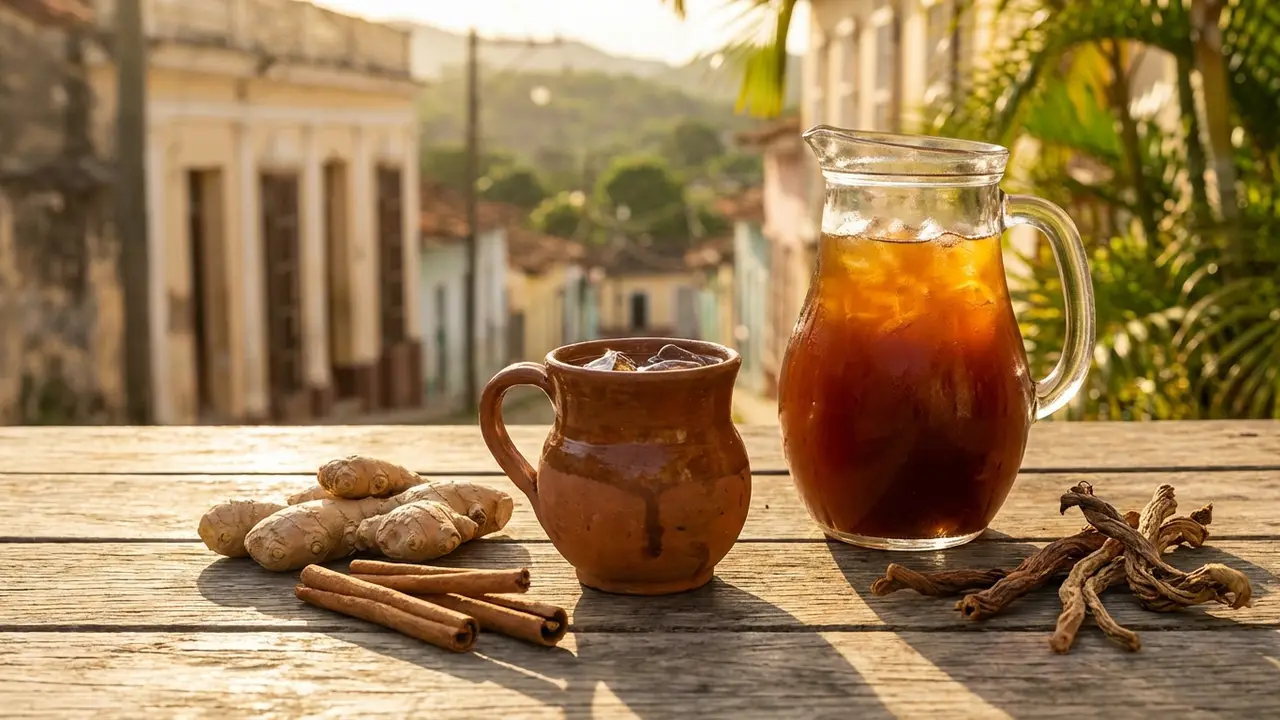
Illustration: Aroma de Cuba (AI)
If one drink captures the soul of eastern Cuba, it’s prú oriental. You won’t find it in Havana bars or tourist menus — this is the people’s drink, fermented in backyards, sold on street corners, and passed down through families for over two centuries.
What is prú oriental?
Prú is an artisanal fermented beverage made from roots, herbs, and spices. Its flavor is singular: mildly sweet, with earthy root notes, hints of cinnamon and ginger, and a natural effervescence that makes it extraordinarily refreshing in Caribbean heat.
Unlike guarapo or Cuban industrial sodas, prú is a living drink — fermented, probiotic, with a character all its own.
Haitian origins, Cuban soul
The story of prú begins with the Haitian Revolution (1791–1804). After the uprising, French settlers along with their enslaved and free Black workers emigrated to eastern Cuba, where land was cheaper than in the sugar-producing west.
They settled primarily in Santiago de Cuba and Guantánamo, establishing coffee and cotton plantations. With them came customs, culinary traditions, and prú.
According to oral traditions of Haitian descendants in Cuba, prú gave them strength for grueling farm labor, lifted their spirits, and healed their ailments. It wasn’t just a beverage — it was medicine, sustenance, and ritual.
The four sacred ingredients
Most prueros (artisanal producers) agree that prú requires four base ingredients:
- Ubí vine (Cissus sicyoides) — The foundation. Also called water vine. Its roots provide the drink’s body.
- Chinese root (Smilax domingensis) — Adds earthy flavor and purifying properties.
- Soapberry (Gouania polygama) — A liana that creates natural foam and aids fermentation.
- Allspice (Pimenta dioica) — Leaves or dried berries provide the distinctive aromatic note.
To these, producers add brown sugar (azúcar prieta), cinnamon sticks, ginger, and depending on family tradition, other herbs like lemongrass.
The preparation: an ancestral ritual
Making prú at home is a ceremony:
- Roots and vines are scraped and carefully cleaned
- They’re boiled in water with allspice leaves, ginger, and cinnamon
- The mixture cools and sweetness is adjusted with brown sugar
- The “madre” (mother) is added — a liter of previous prú that acts as a fermentation starter
- Everything goes into sealed containers
According to the oldest tradition, containers were buried underground for three days to ferment. Without a madre starter, the process could take up to five days. Few people practice the burial method today, but fermentation remains essential.
Some families add a splash of aguardiente (cane spirit) to the mix, though most drink it alcohol-free.
Medicinal properties
Prú isn’t just refreshing. Traditional knowledge attributes multiple benefits:
- Hypotensive: helps regulate blood pressure
- Blood purifier: cleanses the system
- Diuretic: promotes fluid elimination
- Some claim aphrodisiac properties
⚠️ Not recommended for young children due to its medicinal herb content and natural fermentation.
Prú today: between tradition and modernity
Prú remains alive in eastern Cuba. It’s sold on the streets of Santiago, Bayamo, Holguín, and Guantánamo — typically in plastic cups or reused bottles, served ice-cold.
In Granma province, a commercial version has been produced for over fifteen years under the brand El Rey del Cauto. In Santiago, a small cooperative produces and sells about 100 bottles (300ml each) per week.
Prú was recognized by the Slow Food Foundation in its Ark of Taste, an international catalog of traditional food products at risk of disappearing.
But as they say in the east: nothing beats more than two centuries of artisanal craft.
Where to try it
- Santiago de Cuba: street vendors in the historic center and markets
- Bayamo: retail outlet selling bottled prú
- Guantánamo: strong family tradition — ask at casas particulares
- Havana: some eastern Cuban migrants prepare and sell it informally
If you visit eastern Cuba and don’t try prú, they say it’s like going to Paris and skipping the Eiffel Tower.
Related
Explore more Cuban beverages and products:
Frequently asked questions
What is prú oriental from Cuba?
Where does prú oriental come from?
Does prú oriental have health benefits?
Where can I try prú oriental in Cuba?
How we got here
Background
The first thing we published on this topic.
Habanos: Complete Guide to the Most Prestigious Cuban Cigars
Cohiba, Montecristo, Romeo y Julieta — discover the legendary Cuban cigar brands, how to choose them, and where to buy them.
Cuban Rum: Complete Guide to Brands, History, and How to Enjoy It
Discover the world of Cuban rum: from Havana Club to Santiago de Cuba. History, legendary brands, aging types, and secrets to tasting it like an expert.
Related articles
Cuban Daiquiri: History of the Cocktail That Conquered the World
Discover the origins of the daiquiri in Santiago de Cuba, its perfection at Havana's El Floridita, and the original recipe of Cuba's most famous cocktail.
Prú Oriental: Cuba's Most Refreshing Fermented Drink
Discover Prú Oriental, a traditional Cuban fermented beverage made with roots and herbs. History, recipe and ingredients of this Eastern Cuban treasure.
Cuban Rum: Complete Guide to Brands, History, and How to Enjoy It
Discover the world of Cuban rum: from Havana Club to Santiago de Cuba. History, legendary brands, aging types, and secrets to tasting it like an expert.
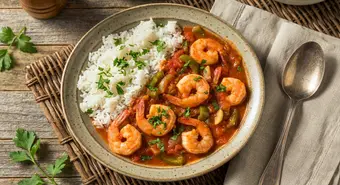
Cuban Shrimp Enchilado: A Creole Heritage from the Caribbean
Recipe and history of Cuban enchilado de camarones, a Creole stew of Haitian origin with tomato sauce, wine, and spices.
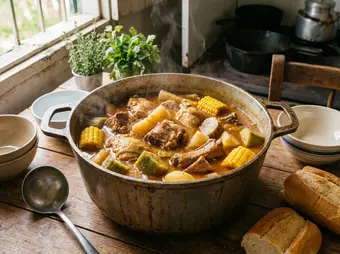
Caldosa Cubana: The Community Soup That Feeds the Block
History, traditional recipe, and secrets of Cuban caldosa, the hearty stew that unites neighbors at every celebration on the island.
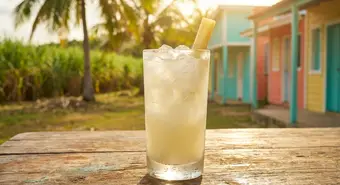
Cuban Guarapo & Tropical Juices: The Island's Most Refreshing Drinks
Discover guarapo and Cuba's tropical juices. From fresh sugarcane juice to mamey shakes and guava nectar, drinks that define the island.