Cuban Papa Rellena: The Golden Street Food Hiding a Savory Treasure
Authentic Cuban papa rellena recipe with picadillo filling, history, and tips for perfectly crispy stuffed potato balls.
4 min read
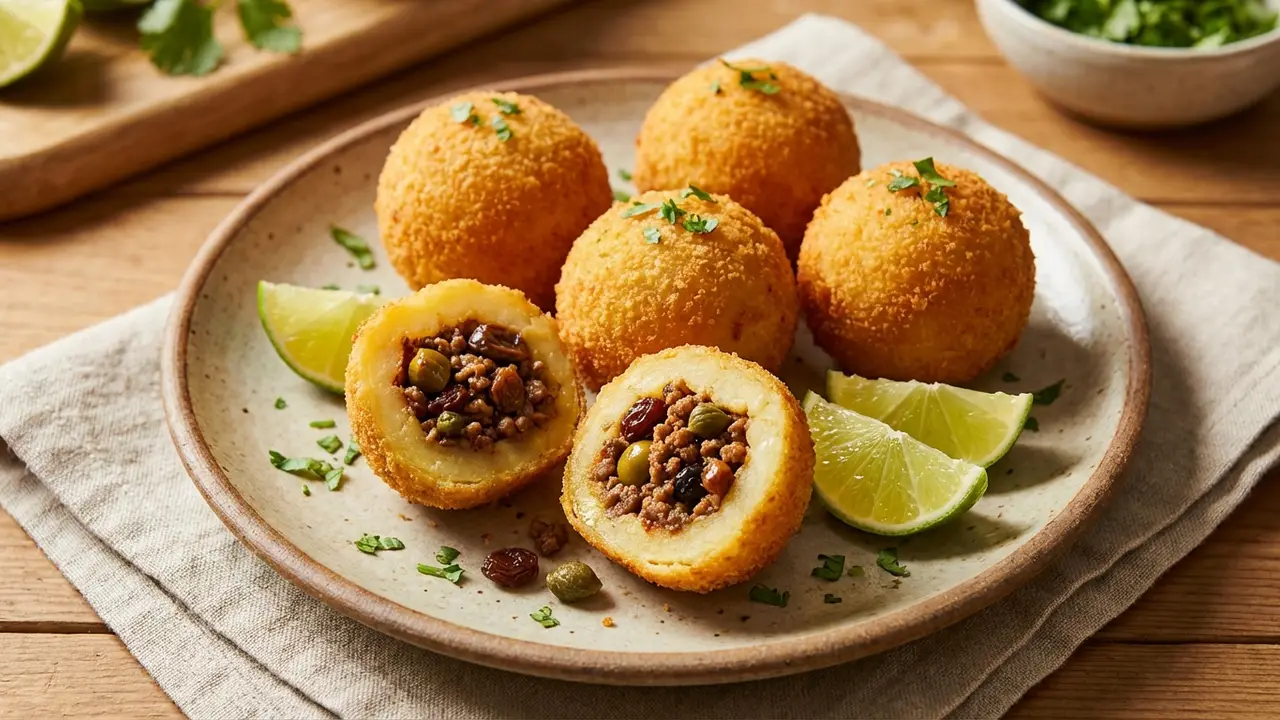
Illustration: Aroma de Cuba (AI)
The bite that fed generations on Cuba’s streets
Some foods belong to the kitchen. Others belong to the street. Cuban papa rellena is firmly in the second camp — a golden, crispy ball that cracks open to reveal a heart of savory picadillo wrapped in cloud-soft mashed potato.
From Havana’s street carts to Miami’s ventanitas (walk-up windows), the papa rellena has been the quick lunch, the afternoon snack, and the comfort food of Cubans in a hurry for generations.
Origins of the papa rellena
Stuffed potato balls have cousins across Latin America — from Peru’s papas rellenas to Brazil’s coxinhas. In Cuba, the recipe arrived with 19th-century migrations and adapted to the local palate: the filling became Cuban-style picadillo with its signature olives, capers, and splash of dry wine.
By the 1940s and 50s, papas rellenas starred in Havana’s cafeterías and ambulant food carts. They cost pennies and filled the soul. After 1959, they survived in family kitchens and emigrated with the diaspora to Miami, where today you’ll find them all along Calle Ocho and beyond.
Recipe: Classic Cuban Papa Rellena
Yields: 8-10 papas rellenas | Time: 1 hour 15 minutes
Ingredients
For the mashed potato shell:
- 2.2 lb (1 kg) Russet potatoes, peeled and chunked
- 1 tablespoon butter
- 1 egg yolk
- Salt to taste
For the picadillo filling:
- 1 lb (450 g) ground beef
- 1 medium onion, finely diced
- 4 garlic cloves, crushed
- ½ green bell pepper, finely diced
- ¼ cup tomato sauce
- 2 tablespoons dry white wine
- ¼ cup stuffed olives, chopped
- 2 tablespoons capers
- ½ teaspoon cumin
- Salt and pepper to taste
- 2 tablespoons olive oil
For breading and frying:
- 2 eggs, beaten
- 1 cup fine breadcrumbs
- Vegetable oil for deep frying
Instructions
1. The mashed potato (the foundation): Boil potatoes in salted water until very tender (20-25 minutes). Drain thoroughly — excess water is the enemy of a good papa rellena. Mash with butter and egg yolk. It should be firm, not runny. Let it cool completely.
2. The picadillo: Sauté onion, garlic, and pepper in olive oil until translucent. Add ground beef and cook until browned. Stir in tomato sauce, wine, olives, capers, and cumin. Cook on medium-low for 15 minutes until very dry. The filling must be dry — if it’s wet, the potato shell will fall apart. Let it cool.
3. Assemble: Take a generous portion of mashed potato (tennis ball-sized), flatten it in your palm, place a heaping tablespoon of picadillo in the center, and close it into an oval ball. Seal the edges well.
4. Bread: Roll each papa rellena in beaten egg, then in breadcrumbs, coating completely.
5. Fry: Heat oil to 350°F (175°C). Fry 3-4 minutes per side until evenly golden. Drain on paper towels.
Tips for success
- Cold potato, cold filling: If either is warm, the ball falls apart. Be patient.
- Firm mash: If it’s too soft, mix in a little cornstarch.
- Double bread: For extra crunch, dip in egg and breadcrumbs twice.
- Don’t overfill: Too much picadillo means a papa rellena that explodes in the oil.
Where to try the best papas rellenas
- Any Cuban ventanita in Miami — especially along Calle Ocho, made fresh throughout the day
- Versailles Restaurant, Miami — the classic Cuban dining institution (versaillesrestaurant.com)
- In Cuba — paladares in Centro Habana and state cafeterías still serve them when potatoes are available
More Cuban flavor
If you enjoyed this recipe, explore more from our Cuban kitchen:
- Picadillo a la Habanera — the perfect filling
- Cuban Croquetas de Jamón — another essential Cuban fritter
- Cuban Tostones — the art of twice-fried plantains
- Vaca Frita — crispy shredded beef with onions
The Cuban papa rellena proves that the best food doesn’t need white tablecloths or Michelin stars. Just good hands, good picadillo, and hot oil. 🥔
Frequently asked questions
What type of potato is best for Cuban papas rellenas?
Can you make papas rellenas ahead of time?
What's the difference between Cuban and Peruvian papas rellenas?
Can papas rellenas be baked instead of fried?
How we got here
Background
The first thing we published on this topic.
Cuban Coffee Harvest Promises to Be the Best in Decades
The mountains of the Sierra Maestra produce an exceptional harvest thanks to new agricultural techniques.
Ropa Vieja: The Soul of Cuban Cuisine on a Plate
Discover the history, secrets, and traditional recipe of ropa vieja, Cuba's national dish that has conquered palates around the world.
Related articles
Cuban Casabe: The Ancient Taíno Cassava Bread, UNESCO Heritage
Complete guide to Cuban casabe, the cassava flatbread inherited from the Taínos. History, preparation, UNESCO 2024 recognition, and where to buy.
Coquitos Acaramelados: Cuba's Most Beloved Coconut Sweet
Discover the history, traditional recipe, and varieties of Cuban caramelized coconut balls — the treat that defined childhood on the island.
Prú Oriental: Cuba's Ancient Fermented Drink from Haitian Roots
Discover prú oriental, a 200-year-old artisanal fermented drink made from roots and herbs in eastern Cuba's Santiago and Granma provinces.
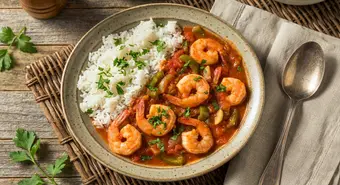
Cuban Shrimp Enchilado: A Creole Heritage from the Caribbean
Recipe and history of Cuban enchilado de camarones, a Creole stew of Haitian origin with tomato sauce, wine, and spices.

Cuban Natural Cosmetics: Perfumes, Soaps and Artisanal Beauty
Discover Cuba's natural cosmetics: Habana 1791 perfumery, Suchel Camacho, handmade soaps, and the island's rich beauty tradition.
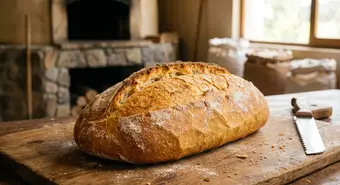
Cuban Bread: History, Recipe, and the Palmetto Leaf Secret
Discover the history of Cuban bread from Ybor City to your table. Traditional recipe, palmetto leaf technique, and where to find it.