Traditional Cuban Sweets: Flavors That Sweeten the Soul
Discover Cuba's most authentic sweets: guava shells, peanut nougat, shredded coconut candy, and more treasures of Creole confectionery.
4 min read
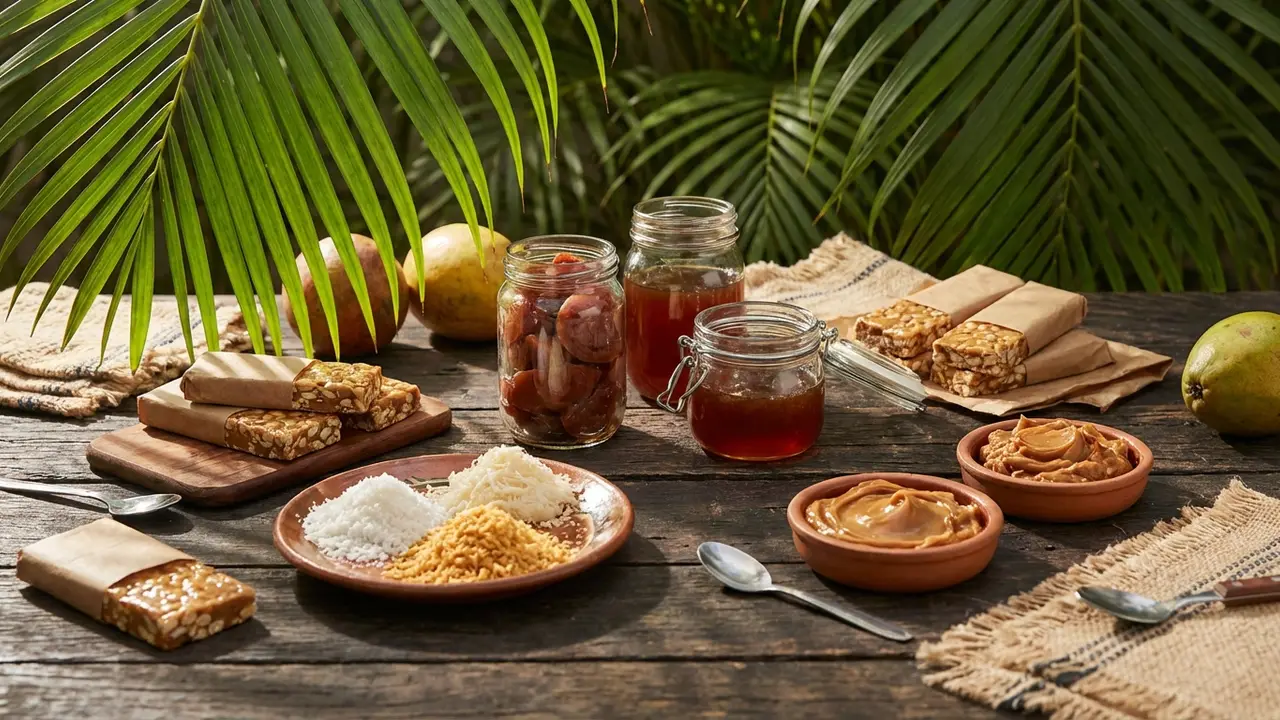
Illustration: Aroma de Cuba (AI)
In Cuba, sweets are more than just desserts: they’re childhood memories, family traditions, and the island’s essence condensed into every bite. From street vendors’ carts to grandmothers’ kitchens, Creole confectionery is a living heritage that sweetens the Cuban soul.
Cascos de Guayaba: The King of Cuban Sweets
Cascos de guayaba (guava shells) are perhaps Cuba’s most emblematic sweet. These guava halves cooked in thick syrup achieve a perfect balance between sweet and tart. They’re traditionally served with cream cheese, creating the famous pairing known as “timba” or “cascos con queso.”
Cuban guava has a unique flavor—more intense and aromatic than other varieties. The best cascos are made with ripe but firm fruit, cooked slowly until it absorbs the syrup without losing its texture.
Where to Find Them
- Goya Foods - Canned guava shells
- La Fe - Traditional Cuban products
- Latin markets in Miami and New Jersey
Turrón de Maní: Crunchy Tradition
Cuban turrón de maní (peanut nougat) differs from the Spanish version: these are crunchy bars of toasted peanuts bound with caramelized sugar or honey. It’s the quintessential snack of patron saint festivals, parks, and Havana street corners.
Unlike soft Spanish turrón, the Cuban version has that crunchy texture that melts in your mouth, releasing the toasted flavor of premium peanuts.
Popular Variants
- Turrón de ajonjolí: Made with sesame seeds instead of peanuts
- Maní garrapiñado: Individually candied peanuts
- Coconut and peanut turrón: An irresistible combination
Coco Rallado: Tropical Sweetness
Coco rallado (shredded coconut candy) is simplicity made sweet. Fresh shredded coconut cooked with sugar until it forms a paste that’s shaped into balls, bars, or simply served in paper cones.
On Cuban streets, vendors offer paper cones of shredded coconut for just a few pesos. It’s the island’s most democratic sweet, accessible to everyone.
Homemade Preparation
- Shred fresh coconut
- Mix with sugar (1:1 ratio)
- Cook over low heat, stirring constantly
- Shape before it cools
Dulce de Leche Cortada
Also known as “natilla de leche cortada,” this dessert is made with milk that’s been intentionally “curdled” with lemon. The result is a creamy dessert with soft curds, perfumed with cinnamon and vanilla.
This sweet was born from necessity—a way to use milk that had curdled in the tropical heat, transforming a “mistake” into a delicacy.
Other Treasures of Cuban Confectionery
Boniatillo
Sweet potato purée with sugar, cinnamon, and lemon zest. One of Cuba’s oldest sweets.
Mango Jam
Made with ripe seasonal mangoes, perfect on bread or crackers.
Pumpkin Flan
A Creole twist on traditional flan, with pumpkin that gives it a golden color and unique flavor.
Cusubé
Fried sweet potato covered in syrup, typical of Santiago de Cuba.
The Sweet Business in Cuba Today
Despite economic difficulties, dulceros (sweet makers) remain part of the Cuban landscape. In cities, small entrepreneurs sell homemade sweets to supplement their income. The tradition survives because these flavors are irreplaceable.
For the Cuban diaspora, finding authentic sweets is a way to maintain connection with the island. Stores in Miami like Sedano’s and Presidente Supermarket offer imported products and locally made treats using traditional recipes.
Recipe: Homemade Guava Shells
Ingredients:
- 2.2 lbs ripe but firm guavas
- 1 lb sugar
- 2 cups water
- 1 cinnamon stick
- Juice of half a lemon
Preparation:
- Wash guavas and cut in half
- Remove seeds with a spoon
- Prepare syrup by boiling water with sugar and cinnamon
- Add guavas and cook over low heat for 45 minutes
- Add lemon juice at the end
- Let cool in the syrup
Where to Buy Cuban Sweets Online
- Amazon - Goya Products - Guava shells and jams
- MiTienda - Specialized Latin products
- Walmart - International section
Cuban sweets are more than candy: they’re time capsules that transport you to the island with every bite. Whether it’s a guava shell with cream cheese or a peanut turrón bought on the corner, these flavors are an essential part of what it means to be Cuban.
Related Articles:
Frequently asked questions
What are the most typical Cuban sweets?
Where can I buy authentic Cuban sweets?
Can I make Cuban sweets at home?
How we got here
Background
The first thing we published on this topic.
Cuban Coffee Harvest Promises to Be the Best in Decades
The mountains of the Sierra Maestra produce an exceptional harvest thanks to new agricultural techniques.
Habanos: Complete Guide to the Most Prestigious Cuban Cigars
Cohiba, Montecristo, Romeo y Julieta — discover the legendary Cuban cigar brands, how to choose them, and where to buy them.
Related articles
Potaje de Frijoles Colorados: Cuba's Most Comforting Red Bean Stew
Learn how to make authentic Cuban potaje de frijoles colorados, a hearty red bean stew with pumpkin, pork, and Creole spices.
Cuban Shrimp Enchilado: A Creole Heritage from the Caribbean
Recipe and history of Cuban enchilado de camarones, a Creole stew of Haitian origin with tomato sauce, wine, and spices.
Baracoa Chocolate: Cuba's Best-Kept Sweet Secret
Baracoa produces 75% of Cuban cacao. Discover the history, farms, and delicious chorote of this Caribbean chocolate capital.
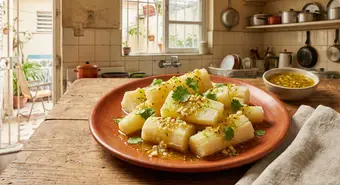
Yuca con Mojo: The Side Dish That Defines the Cuban Table
Authentic Cuban yuca with mojo criollo recipe. Learn the secrets of garlic, citrus, and olive oil that make this dish a classic.

Marabu Charcoal: Cuba's Black Gold Conquering the World
Discover Cuban marabu charcoal, from invasive plant to gourmet product exported to Europe and the US. History, production, and where to buy it.
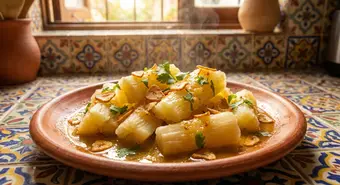
Yuca con Mojo: Authentic Cuban Cassava Recipe Guide
Learn to make authentic Cuban yuca con mojo. Complete recipe with the secrets of mojo criollo: garlic, lime, olive oil, and cumin.